Blog
Hunting Blinds in Wyoming | Rules, Deer Blind Types, Prices, and Buying Guide

Hunting Blinds in Wyoming | Rules, Deer Blind Types, Prices, and Buying Guide
Wyoming’s wide-open landscapes, rugged terrain, changing weather, and diverse wildlife make choosing the right hunting setup an important part of preparation. Whether you hunt on private property or explore permitted public hunting areas, the right blind can help provide concealment, shelter, and a more organized hunting location.
This comprehensive guide to hunting blinds in Wyoming covers the different blind types, buying considerations, estimated prices, used deer hunting blinds, placement strategies, and important Wyoming hunting blind rules. You will also learn what to check before installing a hunting blind in the USA, how to compare products, and where to find hunting blinds for sale.
The goal is to help you choose a blind that fits your hunting method, property, budget, and applicable regulations, without overlooking the practical details that can affect your purchase.
What Are Hunting Blinds?
A hunting blind is a structure or concealment system that helps hunters remain less visible to wildlife while observing an area. Depending on its design, a blind may also provide protection from wind, rain, snow, and cold temperatures.
Hunting blinds range from lightweight portable pop-up shelters to enclosed wooden or metal box blinds, insulated structures, and elevated blinds mounted on supporting stands.
The best design depends on your hunting method and where you intend to use it. A hunter who changes locations frequently may prefer a portable ground blind. Someone hunting repeatedly on a private ranch may prefer a more substantial enclosed blind with dedicated observation or shooting windows.
When shopping for hunting blinds in Wyoming, consider these factors:
- Target species: Mule deer, white-tailed deer, elk, antelope, and other game have different habitat and hunting considerations.
- Hunting method: Archery and firearm hunting may require different window arrangements and shooting clearances.
- Terrain: Open country, wooded areas, uneven ground, and remote access routes affect placement and transport.
- Weather: Wind, snow, moisture, and temperature changes influence material and construction choices.
- Land ownership: Rules for installing or leaving a blind vary by land manager and property.
- Budget: The total investment may include the blind, delivery, a stand, anchoring, installation, and maintenance.
A blind should fit the actual hunting location and your intended use rather than simply looking suitable in a product photograph.
Why Hunters Use Hunting Blinds in Wyoming
Wyoming’s varied landscapes mean that hunting equipment must be selected with the location and conditions in mind.
Concealment and observation
A hunting blind can help break up a hunter’s outline and provide a consistent observation point. Its effectiveness depends on placement, movement, wind direction, noise, surrounding vegetation, and animal behavior.
A blind is not a substitute for scouting or understanding the area.
Shelter from changing weather
Wind and cold can make long periods outdoors uncomfortable. Enclosed or insulated hunting blinds may help reduce exposure to the elements, depending on their construction.
Check the manufacturer’s specifications for weather resistance, insulation, window seals, and recommended installation conditions. A blind should not be treated as a guarantee of safety during severe weather.
A more organized hunting location
An enclosed blind may provide room for seating and essential equipment. It can also help establish a consistent observation point on private land where the owner permits a structure.
Keep exits clear, arrange equipment carefully, and ensure that the layout allows safe handling of hunting equipment.
Support for different hunting approaches
A portable ground blind may suit a temporary location, while an enclosed box blind may work better for repeated use in one permitted spot.
Before buying, decide whether you need portability, interior space, insulation, elevated viewing, or a more permanent installation.
Types of Hunting Blinds Available in Wyoming
Understanding the main designs will help you narrow your options before comparing prices.
Enclosed box hunting blinds
Box blinds are enclosed structures with walls, a roof, and windows for observing or shooting. They may be made from wood, metal, or composite materials.
They can suit established private-property hunting locations where the owner permits the structure and the installation meets applicable requirements.
Consider an enclosed box blind if you want:
- A sheltered hunting space
- Defined window positions
- Room for seating and essential equipment
- A structure designed for repeated use
- Optional insulation or upgraded interior features
Check the dimensions, weight, delivery requirements, and installation instructions before ordering.
Wooden hunting blinds in Wyoming
Wooden hunting blinds may appeal to buyers who prefer a traditional appearance or want a structure that can be customized.
Their long-term performance depends on the quality of the framing, exterior treatment, roof, joints, and maintenance.
Before purchasing, inspect or confirm:
- Suitable exterior-grade or treated materials
- A durable roof and weather-resistant joints
- A stable floor
- Secure doors and windows
- Appropriate support and anchoring
- Maintenance requirements and warranty coverage
Wooden blinds should be inspected regularly for moisture damage, rot, loose fasteners, and other deterioration.
Metal hunting blinds
Metal hunting blinds are available in different configurations, including enclosed structures and specialized hunting enclosures.
A metal design may offer a rigid structure, but durability depends on material quality, construction, coatings, fasteners, seams, and exposure to the elements.
Ask about corrosion protection, insulation, window systems, floor construction, and maintenance. Do not assume that every metal blind is automatically more durable than every wooden alternative.
Portable ground hunting blinds
Portable ground blinds include lightweight pop-up shelters and other temporary concealment systems.
They may be useful for hunters who move between locations or want equipment that can be packed away after use.
When comparing portable blinds, consider:
- Packed size and weight
- Wind resistance and anchoring
- Fabric durability
- Window placement
- Interior room and shooting clearance
- Setup and takedown time
- Whether the blind is allowed at the intended location
Portable does not mean automatically permitted. Check the specific land rules before setting up.
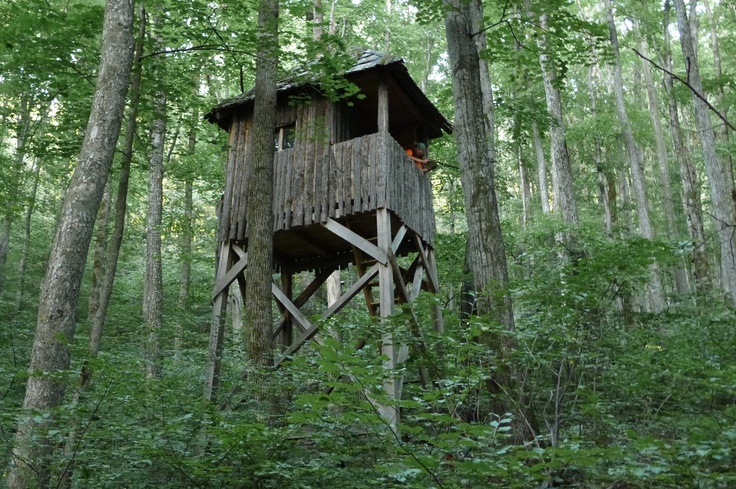
Elevated and tower hunting blinds
Elevated hunting blinds are installed on a supporting stand or tower. They may offer a raised viewpoint, but the complete installation must be designed for the blind’s weight, occupancy, ground conditions, and expected weather.
Evaluate the blind and its supporting system together, including the ladder or steps, handrails, anchors, and access route.
Elevated structures require particular attention to stability and fall prevention. Use suitable equipment and qualified assistance when necessary.
Insulated and deluxe hunting blinds
Insulated blinds are designed to reduce heat transfer through walls or other parts of the enclosure. Deluxe models may include upgraded windows, carpeting, treated floors, improved door systems, or additional interior space.
These features may be useful for longer hunts or exposed locations, but they can increase cost, weight, and delivery requirements.
Ask about insulation specifications, ventilation, window seals, and warranty coverage rather than relying solely on product labels.
Specialty and 360-degree hunting blinds
Some enclosed blinds use an octagonal or multi-sided design with windows arranged in several directions. Depending on the configuration, this can provide a broader field of observation.
Compare window placement, usable shooting angles, interior dimensions, weight, and installation requirements. A multi-window design is not necessarily suitable for every hunting method.
Hunting Blind Prices in Wyoming
The price of a hunting blind depends on its size, materials, insulation, window design, construction, and whether the price includes a stand or installation.
The following are illustrative budgeting ranges, not verified current Wyoming retail quotes. Actual prices vary by manufacturer, availability, freight, product specifications, and installation needs.
| Hunting blind type | Illustrative price range |
|---|---|
| Basic portable ground blind | $50–$300 |
| Entry-level enclosed blind | $500–$1,500 |
| Larger or upgraded enclosed blind | $1,500–$3,500+ |
| Elevated blind and tower package | $2,000–$5,000+ |
| Premium insulated or specialized blind | $2,500–$4,000+ |
These ranges are broad planning examples. Custom builds, larger structures, and complete installation packages may cost more.
What affects hunting blind prices?
Size: Larger structures generally use more materials and can be more expensive to transport and install.
Construction: Wood, steel, fabric, and composite materials have different purchase and maintenance costs.
Insulation: Added insulation and improved seals may increase the price.
Windows: Sliding, hinged, tinted, and specialty window systems can affect both cost and suitability.
Elevation: A stand, tower, ladder, handrails, and anchoring system may add substantially to the total investment.
Delivery: Large blinds may require freight transportation, specialized unloading equipment, or a suitable access road.
Installation: Some models arrive assembled, while others require assembly or professional installation.
Calculate the complete cost before buying
Request an itemized estimate covering:
- The blind itself
- The supporting stand or tower, if required
- Delivery or freight to your Wyoming location
- Unloading and site access
- Assembly and installation
- Anchoring and safety components
- Accessories and future maintenance
Comparing the complete cost helps you avoid choosing a product that appears cheaper but requires significant additional spending.
Hunting Blinds in Wyoming for Sale: What to Look For
When searching for hunting blinds in Wyoming for sale, compare more than the headline price. Product specifications, transport requirements, warranty coverage, and installation support all affect value.
Match the design to your hunting method
For archery, examine window height, opening size, and room to draw and maneuver a bow safely. For firearm hunting, consider the available shooting positions and whether the design supports safe handling and clear visibility of the target area.
Do not assume every blind is appropriate for both methods.
Review the product specifications
Before ordering, confirm:
- Interior and exterior dimensions
- Total weight
- Construction materials
- Roof and floor design
- Window type and operation
- Insulation and ventilation
- Warranty and replacement-part availability
- Assembly and installation requirements
Ask about delivery to your location
A large enclosed blind may require freight delivery or specialized equipment for unloading. Remote properties can introduce additional transport challenges.
Confirm whether the seller delivers to your address, whether the road is suitable for the delivery vehicle, and who is responsible for unloading and positioning the structure.
Compare warranty and return policies
Read the seller’s policies before purchasing. Ask what is covered, how long coverage lasts, and whether labor, freight, installation, or damage caused by improper use is excluded.
For a large or custom product, obtain the key terms in writing.
Deer Hunting Blinds in Wyoming
Wyoming is known for mule deer and also supports white-tailed deer hunting. Choosing a deer blind requires considering the target species, habitat, hunting unit, hunting method, and the land where the blind will be used.
The Wyoming Game and Fish Department publishes current deer hunting seasons, hunt-area maps, and regulations. Review the current information for your intended hunt before planning a setup. Wyoming Game and Fish Department regulations.
Choosing a deer blind for private property
If you hunt on private land, begin by confirming the owner’s permission and determining where a structure is allowed.
Consider:
- The surrounding terrain and cover
- Wind direction and approach routes
- Animal activity observed during scouting
- Safe shooting directions
- Distance from roads, buildings, livestock, and other people
- Whether the proposed blind can remain in place under the property’s rules
Animal movement can change with weather, season, food availability, and hunting pressure. A blind should support a well-planned hunting approach rather than replace scouting.
Deer hunting blinds for sale: features to compare
When comparing deer hunting blinds for sale, prioritize:
- Suitable window configuration
- Weather resistance
- Interior dimensions
- Construction quality
- Insulation, if needed
- Delivery and installation requirements
- Warranty and maintenance
- Compatibility with the supporting stand, if elevated
A basic portable blind may be enough for temporary use, while a more substantial enclosure may suit a repeated setup on permitted private land.
Matching the blind to the situation
For occasional hunts: A portable ground blind may be practical if permitted and suitable for the weather.
For an established private-property location: An enclosed box blind may provide a consistent observation point.
For exposed locations: Pay close attention to anchoring, roof design, structural strength, and manufacturer guidance for wind and weather.
For archery: Look for adequate room to draw a bow and suitable window clearance.
For elevated installations: Evaluate the supporting stand, access system, and fall-prevention measures as part of the complete purchase.
The best deer blind is the one that suits the actual site and intended hunting method—not necessarily the largest or most expensive model.
Used Deer Hunting Blinds in Wyoming
Used deer hunting blinds in Wyoming can be worth considering if you want to reduce your initial purchase cost. However, repairs, transport, and installation can eliminate the savings if the structure is in poor condition.
Inspect the blind before buying
Check for:
- Loose or damaged framing
- Soft or water-damaged wood
- Rust or corrosion
- Roof leaks and damaged seams
- Cracked floors or deteriorated runners
- Broken windows and damaged tracks
- Doors that do not close securely
- Missing hardware or fasteners
- Signs of pests, mold, or prolonged moisture exposure
For elevated blinds, inspect the supporting structure separately. Do not climb onto an unfamiliar stand until its condition and stability have been assessed.
Ask about the blind’s history
Find out how long it has been used, whether it remained outdoors year-round, whether it has been moved, and whether repairs have been completed.
Request available product specifications, assembly instructions, and warranty information.
Confirm transportation requirements
A used blind may not fit your trailer, vehicle, property entrance, or intended installation location. Confirm its dimensions and weight before committing to the purchase.
Establish who will load, transport, unload, and install the blind.
Calculate the true cost
Add the purchase price to delivery, repairs, replacement parts, and installation. Then compare that amount with the price of a new product with warranty coverage.
If the structure has significant damage, parts are unavailable, or the seller cannot explain its condition, consider another option.
Wooden vs. Metal Hunting Blinds
Wooden and metal blinds can both be suitable for Wyoming hunting properties. Their performance depends on construction, exposure, maintenance, and installation.
| Feature | Wooden hunting blinds | Metal hunting blinds |
|---|---|---|
| Appearance | Traditional and often customizable | Usually a more industrial finish |
| Maintenance | May require moisture protection and repairs | May require corrosion protection and coating inspections |
| Insulation | Depends on wall design and added insulation | Depends on construction and added insulation |
| Weight | Varies by size and construction | Varies by material thickness and design |
| Customization | Depends on design and construction | Depends on fabrication and product design |
| Key inspection areas | Framing, joints, roof, and treatment | Coatings, seams, fasteners, and corrosion |
Neither material is universally better.
For wooden blinds, pay attention to moisture protection, roof condition, framing, and maintenance requirements. For metal blinds, inspect coatings, joints, seams, and areas exposed to moisture.
Compare the actual product specifications, warranty, and maintenance needs instead of choosing based on material alone.
Ground Blinds vs. Elevated Hunting Blinds
The choice between ground and elevated blinds affects cost, access, installation, visibility, and safety.
Ground hunting blinds
Ground blinds may be portable or enclosed. They avoid the need for a raised supporting platform and can be easier to move between locations.
They may be suitable for temporary setups or properties where elevation is impractical.
Consider the ground conditions, drainage, wind exposure, and anchoring. A lightweight blind can be vulnerable to strong gusts if it is not secured correctly.
Elevated hunting blinds
Elevated blinds may provide a raised viewpoint but require an appropriate supporting system and safe access.
Before installation, assess:
- The stand’s load rating and compatibility
- Ground conditions and slope
- Anchoring and stability
- Steps, ladders, and handrails
- Fall-prevention measures
- Safe entry and exit
- Inspection and maintenance requirements
An elevated blind is not automatically safer or more effective than a ground blind. Choose based on the location, intended use, and your ability to maintain the complete structure.
Choosing a Blind for Wyoming’s Terrain and Weather
Wyoming’s landscape includes open plains, foothills, wooded areas, and mountainous terrain. A blind that works well in one setting may be difficult to transport or unsuitable in another.
Open and windy locations
In exposed areas, consider structural strength, roof design, anchoring, and manufacturer-approved wind limitations.
A heavy blind is not automatically safe in strong winds. The foundation, support system, and anchoring also matter.
Wooded or brush-covered locations
A smaller blind may be easier to position where space is limited. Confirm that installation will not obstruct access or damage vegetation in a way that violates property rules.
Consider the route used to transport equipment and whether the site will remain accessible for maintenance.
Cold-weather hunting
Insulated blinds may help reduce heat loss, depending on their design. However, insulation does not replace appropriate clothing, emergency supplies, or preparation for rapidly changing conditions.
Never use an unsuitable combustion heater in an enclosed blind because of carbon monoxide and fire risks.
Snow and moisture
If a blind will remain outdoors, assess the roof, seals, floor, drainage, and material resistance to moisture. Follow manufacturer instructions for snow loading and removal.
Do not climb onto an icy or structurally questionable roof.
Remote properties
Before buying a large blind for a remote location, confirm road access, delivery options, trailer requirements, unloading equipment, and whether the installation site can accommodate the delivery vehicle.
Transport can be a major part of the total cost.
How to Choose the Right Hunting Blind Size
Blind size affects comfort, weight, transport, price, and installation complexity.
Small hunting blinds
A compact blind may be sufficient for one hunter with limited equipment. It is often easier to transport but may provide less room to maneuver.
Check the interior dimensions and confirm that the window openings suit your intended hunting method.
Medium hunting blinds
A medium-sized enclosure may provide more room for seating and equipment without the transport demands of a very large structure.
Compare actual interior measurements rather than relying only on advertised exterior dimensions.
Large hunting blinds
Large blinds can be useful where the site and intended occupancy justify the additional space. They may also require more extensive delivery arrangements, stronger supports, and additional installation work.
Before ordering, ask yourself:
- How many people will use the blind?
- What equipment needs to fit inside?
- Is there enough room for the intended hunting method?
- Can the blind be delivered to the location?
- Does the land manager permit the proposed structure?
- Will the supporting structure and installation be suitable?
Choosing the right size before purchase can prevent expensive changes later.
Hunting Blind Placement Tips
Placement should be informed by scouting, safety, property boundaries, and the applicable rules.
Scout before choosing a location
Look for signs of animal activity and learn how the landscape is used. Tracks, trails, feeding areas, and natural cover can inform your plan, but animal movement changes with season, weather, available food, and hunting pressure.
Do not assume that a productive location one year will remain productive the next.
Consider wind and approach routes
Think about prevailing winds and how your approach might disturb the area. Choose an access route that minimizes unnecessary disturbance while remaining safe and lawful.
Maintain safe shooting directions
Identify what lies beyond the intended target area. Never plan a shooting lane toward roads, buildings, trails, livestock, or places where people may be present.
Avoid obstructing access
Ensure the blind does not block gates, established routes, emergency access, livestock operations, or other legitimate property uses.
Confirm property boundaries and permission
Use reliable maps and confirm boundaries. Obtain the required permission for private land and check the managing agency’s rules before carrying equipment onto public land.
Recheck the setup
After installation, inspect the blind’s stability, access route, windows, and surrounding hazards. Reassess after severe weather and before each hunting season.
Hunting Blinds in Wyoming Rules
Understanding hunting blinds in Wyoming rules is essential before buying, installing, or leaving a blind in the field. Requirements depend on the type of land, the managing authority, the hunting season, and any site-specific restrictions.
Rules on Wyoming Game and Fish Commission-administered lands
Wyoming Game and Fish Commission regulations include specific requirements for hunting blinds, tree stands, and similar structures on lands administered by the Commission.
Under the general rule, unless an exception or other authorization applies:
- A blind or tree stand must not be placed more than seven days before the opening date of the relevant hunting season.
- It must be removed no more than seven days after the close of the hunting season for which it was placed.
- It must be marked with the name and address of the person who placed or erected it.
- Placing a blind does not reserve or guarantee exclusive use of that structure or location.
- A structure left in violation of the removal rule may be considered litter.
These requirements are set out in the Commission’s rules governing lands and waters it administers. Check the current regulation and any exceptions, publications, permits, or posted signs that apply to your intended location.
Wildlife Habitat Management Areas
Wyoming Game and Fish Department Wildlife Habitat Management Areas can have general and location-specific rules. The department directs visitors to review both the general regulations and the rules for the individual area.
Before using a blind on a Wildlife Habitat Management Area:
- Identify the exact area and managing authority.
- Review the current general regulations.
- Check any site-specific rules and posted signs.
- Confirm the permitted placement period.
- Make sure the blind is marked as required.
- Remove the blind within the applicable deadline.
Do not assume that the rules for one area apply identically to every other area.
Access Yes properties
Access Yes properties operate under access arrangements and restrictions established for the participating property. Wyoming’s rules specifically restrict certain activities, including using blinds, pits, and tree stands, unless the landowner or person in charge has approved them.
Check the listing and obtain any required approval before bringing a blind onto an Access Yes property.
Other public lands
Not all public land is administered by Wyoming Game and Fish. Federal lands, national wildlife refuges, and other properties may have their own rules.
For example, certain federal wildlife refuges require portable blinds or blinds made from dead and downed wood and require portable blinds and related equipment to be removed after each day’s hunt. That is a location-specific example, not a statewide rule for all Wyoming hunting areas.
For land managed by another agency, check the current agency-specific regulations before setting up a blind.
Deer Hunting Blinds in Wyoming Rules: Important Considerations
Hunters researching deer hunting blinds in Wyoming rules should separate the rules governing the blind itself from the rules governing the deer hunt.
Check the current deer hunting regulations
Wyoming Game and Fish publishes deer seasons, hunt-area maps, and the current deer regulation brochure on its official regulations page:
Wyoming Game and Fish Department — Regulations
The department notes that some adopted regulations may not be effective until they complete the required approval and filing process. Check the current final version rather than relying on an old brochure or an informal summary.
Confirm the hunting area and season
Before planning a blind location, verify the hunt area, season dates, license conditions, and applicable restrictions for your specific hunt.
Do not assume that a blind allowed on one property is automatically permitted in another area.
Follow the relevant blind-placement rules
If the blind will be on Commission-administered land, check the placement window, removal deadline, identification requirements, and any applicable exceptions.
For other public lands, consult the responsible agency. For private land, obtain permission and follow any property restrictions in addition to state hunting laws.
Do not assume a blind creates exclusive access
Wyoming’s general rules for permitted structures on Commission-administered lands state that placing a blind or tree stand does not reserve or guarantee exclusive use of that location.
A hunter should not treat an installed blind as ownership of a spot or as permission to exclude other lawful users.
Keep a record of your setup
For easier compliance, keep a note of:
- The property and managing authority
- The applicable season and opening date
- The date the blind was installed
- The required identification information
- The removal deadline
- Any written permission or special authorization
This simple record can help prevent a blind from being left in place beyond the permitted period.
Public Land vs. Private Land Hunting Blinds
The distinction between public and private land is one of the most important considerations when planning hunting blinds in Wyoming.
Public land
Public access does not automatically mean every type of structure is permitted.
Before placing a blind, determine which agency manages the land and whether the specific property allows blinds or tree stands. Confirm installation timing, identification requirements, removal deadlines, and any restrictions on construction materials or site disturbance.
A permitted blind may also remain available for use by others, depending on the applicable rules.
Private land
On private property, obtain permission from the landowner or authorized manager before hunting or installing a blind.
Agree on:
- The approved location
- How long the structure may remain
- Whether it must be removed after the season
- Responsibility for installation and maintenance
- Whether the structure may be moved
- Any property-specific restrictions
If you hunt through a lease or outfitter arrangement, check whether the agreement permits the proposed structure.
A hunting license is not land permission
A valid hunting license does not automatically authorize entry onto private land or installation of a blind on public land. Confirm your hunting authorization and land-access requirements separately.
Hunting Blind Installation, Safety, and Maintenance
A well-built blind still needs suitable installation and ongoing inspection.
Before installation
Confirm the property rules, approved location, delivery route, dimensions, ground conditions, and installation requirements. Read the manufacturer’s instructions before assembling the blind or supporting structure.
During installation
Follow the specified assembly sequence and use the required hardware. Ensure that the support system and anchoring are appropriate for the product and site.
Do not modify structural components unless the manufacturer authorizes the change. For a large or elevated blind, arrange appropriate lifting equipment and qualified help where needed.
Seasonal maintenance checklist
Before hunting season, inspect:
- Roof, seams, and weather seals
- Walls and framing
- Exterior coatings
- Floor and supporting structure
- Windows, hinges, tracks, and latches
- Doors and locking hardware
- Fasteners and anchors
- Ladder, steps, and handrails
- Signs of moisture, corrosion, pests, or other damage
- Ventilation and clear exits
Clean the structure and make repairs according to the manufacturer’s instructions. If you find structural damage, stop using the blind until it has been appropriately assessed and repaired.
Safety around elevated blinds
Use appropriate access equipment and fall-prevention measures. Do not climb onto an unstable stand or use an elevated blind with damaged supports, loose handrails, or questionable anchoring.
Inspect the structure before use and after severe weather.
Where to Buy Hunting Blinds in Wyoming
When shopping for hunting blinds in Wyoming for sale, compare product specifications, delivery options, construction quality, and seller support.
Hunting Blind Supply at hunting blind supply is a hunting-blind retailer where buyers can explore hunting blind styles and related equipment. The business can use the promotional phrase “your #1 trusted seller for deer hunting blinds” as brand marketing language, but this should not be presented as an independently verified market ranking.
What to compare before ordering
Product suitability: Confirm that the blind matches your hunting method, site, and intended use.
Delivery: Ask whether the seller delivers to your Wyoming location and whether freight, unloading, or placement is included.
Assembly: Check whether the blind arrives assembled, partially assembled, or as a kit.
Warranty: Review the coverage period, exclusions, and replacement-part availability.
Returns: Read the return policy, particularly for large, assembled, or custom products.
Accessories: Confirm whether the quoted price includes a stand, anchoring system, windows, or other components shown in product photos.
Customer support: Ask whether the seller can provide dimensions, specifications, and installation guidance before you purchase.
For a large enclosed blind, request a written quote that clearly identifies the product, delivery method, unloading requirements, and any additional installation costs.
FAQs: Hunting Blinds in Wyoming
Are hunting blinds legal in Wyoming?
How long can I leave a hunting blind on Wyoming Game and Fish Commission-administered land?
Do I need to put my name and address on a hunting blind in Wyoming?
Can I leave a deer hunting blind on public land year-round?
Can another hunter use my blind on public land in Wyoming?
How much do hunting blinds in Wyoming cost?
Are used deer hunting blinds in Wyoming worth buying?
What should I check before installing a hunting blind in Wyoming?
Final Thoughts: Choose the Right Hunting Blind for Wyoming
Finding the right hunting blinds in Wyoming starts with understanding your hunting method, property, terrain, budget, and the regulations that apply to your intended location.
Portable ground blinds can suit temporary setups, while enclosed wooden or metal blinds may work well for certain established private-property locations. Elevated blinds require particular care with structural stability, anchoring, and safe access.
Before buying, compare the complete cost of the blind, delivery, installation, accessories, and maintenance. If you are considering a used deer blind, inspect it carefully and calculate the cost of repairs before committing.
Most importantly, review current Wyoming Game and Fish regulations and the rules for the exact land where you plan to hunt. Do not assume that rules for one property apply everywhere.
When you’re ready to compare options, visit Hunting Blind Supply to explore hunting blinds and related equipment. Choose a setup that fits your needs, budget, and hunting location, and prepare for the season with safety and responsible land use in mind.