Blog
Hunting Blinds in Alabama | Complete Guide to Types, Prices, Buying, and Placement

Hunting Blinds in Alabama | Complete Guide to Types, Prices, Buying, and Placement
Choosing the right hunting blind can make your time in the field more comfortable, organized, and productive. Whether you hunt whitetail deer on private land, manage a family hunting property, or are preparing a new stand location, the right blind should match your terrain, hunting method, budget, and long-term plans.
This guide to hunting blinds in Alabama explains the different blind types, how to compare metal and wooden construction, where to find new and used options, what affects prices, and how to choose a safe location. You will also learn what to consider before buying deer hunting blinds in Alabama and where to check current state hunting regulations. Read more about hunting blinds USA for more information about hunting blind set up’s in other hunting related cities.
What Are Hunting Blinds?
A hunting blind is a structure or concealment system that helps hunters remain less visible while observing wildlife. Depending on its design, a blind may also provide shelter from wind, rain, insects, and changing temperatures.
Hunters use blinds on wooded acreage, agricultural properties, food plots, field edges, and other suitable locations. The best choice depends on the available terrain, target species, hunting style, accessibility, and budget.
For hunters researching hunting blinds in Alabama for sale, common options include:
- Box blinds: Enclosed structures that offer shelter and multiple viewing or shooting windows.
- Ground blinds: Portable or semi-permanent concealment positioned at ground level.
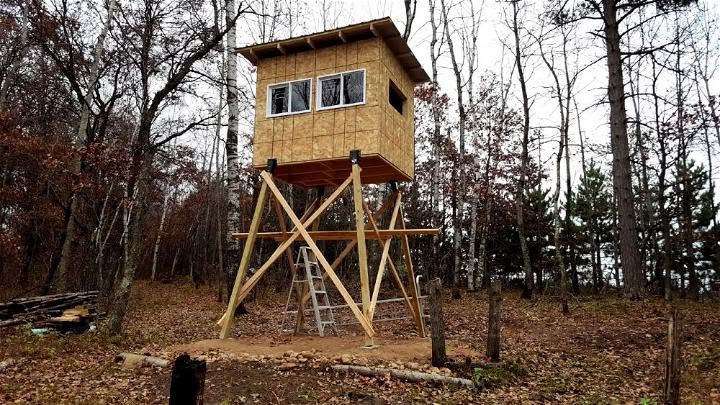
- Elevated blinds: Enclosed structures installed on a suitable platform or tower.
- Wooden hunting blinds: Blinds constructed primarily from lumber or other wood-based materials.
- Metal hunting blinds: Structures that use steel or other metal components for their exterior or frame.
- Insulated blinds: Enclosures designed to improve comfort and reduce heat transfer.
- Octagon or 360-degree blinds: Designs that offer viewing and shooting-window options in multiple directions.
A blind is not automatically the best solution for every property. Some hunters need a portable setup they can move between locations, while others prefer a permanent enclosed structure that can serve the same hunting area for years.
Types of Hunting Blinds in Alabama
Understanding the different types of blinds makes it easier to compare products and select one suited to your property.
Box Hunting Blinds
Box blinds are enclosed structures with walls, a roof, a door, and strategically positioned windows. They are popular with hunters who want a dedicated hunting position rather than a temporary concealment setup.
Potential benefits include:
- Protection from some wind and precipitation.
- Multiple viewing directions, depending on the design.
- Space for a chair, hunting equipment, and other essentials.
- Options for ground-level or elevated installation.
Box blinds are worth considering for established deer-hunting locations, family hunting properties, and hunters who plan to return to the same area regularly.
Before buying, evaluate the interior dimensions, window placement, entry design, floor construction, and whether the listed price includes a stand or installation.
Metal Hunting Blinds in Alabama
Metal hunting blinds are an option for buyers who want a manufactured enclosure with a metal exterior, frame, or structural components.
Their practical advantages depend on the materials and construction. A well-designed metal blind may be easier to maintain than some traditional wooden structures, but metal alone does not guarantee superior durability, weather resistance, or comfort.
Look for:
- Corrosion-resistant materials or protective coatings.
- Secure joints and suitable structural supports.
- Properly sealed roof and wall connections.
- Window systems that operate smoothly.
- Adequate ventilation and condensation management.
- Manufacturer guidance for anchoring and installation.
Metal can heat up in direct sunlight and may produce condensation when warm, humid air meets cooler surfaces. Insulation, ventilation, shade, and interior finishes can help manage comfort, depending on the design.
Wooden Deer Hunting Blinds in Alabama
Wooden deer hunting blinds in Alabama may appeal to hunters who want a traditional appearance or a structure they can customize to their property.
Wood can be practical for custom projects, but its lifespan depends on lumber quality, moisture exposure, construction, drainage, maintenance, and protection from decay.
When evaluating a wooden blind, check for:
- Treated lumber where appropriate.
- A sound floor and secure framing.
- Roof overhangs and effective water drainage.
- Properly installed windows and doors.
- Signs of rot, termites, splitting, or water damage.
- Secure connections between the enclosure and its supporting structure.
Wooden blinds may be suitable for hunters who have the skills to build or maintain a structure. For a ready-made solution, compare the total cost of materials, labor, transportation, and installation with the cost of a manufactured blind.
Ground Hunting Blinds
Ground blinds are positioned at ground level and may be portable, fabric-based, or built as more substantial enclosures.
They can be useful when you need flexibility, have limited access for transporting heavy equipment, or prefer not to construct an elevated platform.
Ground blinds may work well near suitable cover, along field edges, or in other locations where the terrain and sightlines support safe hunting.
However, a ground-level setup may offer less visibility than an elevated blind. It may also be more exposed to moisture, vegetation, insects, and disturbance from people or animals.
Elevated and Tower Hunting Blinds
Elevated blinds place the hunter above ground level on a purpose-built platform or tower.
Depending on the property and terrain, elevation may improve visibility over vegetation and help provide a useful view of a field or travel corridor.
Before selecting an elevated blind, consider:
- The complete height of the platform and enclosure.
- The strength and compatibility of the stand.
- Ground conditions and the manufacturer’s foundation requirements.
- Access by ladder or approved steps.
- Guardrails, entry design, and fall protection.
- Wind exposure and the structure’s anchoring requirements.
Never assume that a blind can be installed safely on any stand. The enclosure, platform, supports, and anchoring system must be compatible and suitable for the combined load and local conditions.
Insulated and Deluxe Hunting Blinds
Insulated blinds are designed to improve comfort by reducing heat transfer through the walls or roof. Deluxe models may also offer upgraded windows, flooring, interior finishes, or other convenience features.
These options can be attractive for hunters who spend extended periods inside an enclosure, particularly during colder weather.
Compare the actual construction rather than relying on product names alone. Ask about insulation thickness, window sealing, ventilation, interior space, and whether the floor and roof are insulated.
Octagon and 360-Degree Hunting Blinds
Octagon blinds have a multi-sided design that can provide viewing directions around much of the enclosure. Depending on the window arrangement, they may be useful on properties where wildlife approaches from several directions.
Check whether the window system supports your intended hunting method. A blind offering broad visibility does not necessarily provide suitable shooting openings at every angle.
How to Choose the Best Hunting Blinds in Alabama
The best hunting blinds in Alabama are not necessarily the most expensive or the largest. They are the blinds that suit your property, intended use, budget, and installation conditions.
Consider Your Property and Terrain
Start by evaluating the land where you intend to hunt.
Ask yourself:
- Is the area mostly wooded, open, hilly, or flat?
- Are you hunting a food plot, field edge, trail, or other travel area?
- Can a vehicle reach the intended installation site?
- Is there enough level, stable ground for the proposed structure?
- Will nearby trees, vegetation, or buildings affect visibility?
- Are property boundaries and neighboring hunting areas clearly understood?
A large elevated blind may suit an established property with accessible installation routes. A smaller ground blind may be more practical in a remote location where transporting materials is difficult.
Match the Blind to Your Hunting Style
Your preferred hunting method should influence the design you choose.
For example:
- Bowhunting: Prioritize window height, shooting clearance, concealment, and enough room to handle your equipment safely.
- Gun hunting: Evaluate safe shooting angles, window dimensions, visibility, and the structure’s suitability for your firearm setup.
- Family hunting: Consider interior space, entry access, seating, and the ability to supervise everyone safely.
- Long hunting sessions: Look at ventilation, insulation, weather protection, and comfortable interior dimensions.
- Mobile hunting: Consider weight, portability, setup time, and the manufacturer’s recommendations for moving the blind.
Compare Durability and Maintenance
A blind is a long-term investment, so look beyond the purchase price.
Examine the roof, floor, joints, doors, windows, hardware, and supporting structure. Check what maintenance is required and whether replacement components are available.
A lower-cost blind that requires frequent repairs may not be the most economical choice over time.
Review the Full Cost of Ownership
Before purchasing, determine whether the listed price includes:
- The enclosure.
- Floor and roof.
- Windows and door.
- Stand or tower.
- Ladder, steps, or handrails.
- Anchoring hardware.
- Delivery or freight.
- Assembly or installation.
Two blinds with similar advertised prices can have very different final costs once stands, transportation, and installation are included.
Metal vs. Wooden Deer Hunting Blinds
Metal and wood can both be suitable choices. The right material depends on construction quality, the environment, your maintenance preferences, and how you intend to use the blind.
| Consideration | Metal hunting blinds | Wooden hunting blinds |
|---|---|---|
| Maintenance | Depends on coating, joints, and corrosion protection | Requires attention to moisture, decay, and pests |
| Weather performance | Depends on sealing, insulation, and construction | Depends on lumber, roof design, sealing, and upkeep |
| Temperature control | May need insulation and condensation management | Depends on wall thickness, insulation, and ventilation |
| Customization | Depends on the design and manufacturer | May be adaptable for custom projects |
| Installation | May require specialized equipment or a suitable stand | Can be simple or complex depending on size and design |
| Appearance | Often has a manufactured finish | Can blend naturally with some property settings |
| Best comparison method | Check material specifications and corrosion protection | Check lumber quality, treatment, joints, and moisture protection |
Which Material Is Best for Alabama?
Alabama properties can experience heat, humidity, heavy rain, and periods of strong wind. These conditions make moisture control, drainage, roof sealing, corrosion protection, and secure anchoring important for either material.
A metal blind with poor sealing can still leak. A wooden blind with good construction and consistent maintenance can remain serviceable for years. Conversely, poor materials or neglected maintenance can shorten the useful life of either type.
Choose based on the product’s documented specifications and installation requirements, not material alone.
Ground Blinds vs. Elevated Hunting Blinds
The choice between ground-level and elevated hunting blinds affects visibility, accessibility, installation, and safety.
When a Ground Blind May Be the Better Choice
Consider a ground blind when:
- You need a portable or flexible setup.
- The hunting area is difficult to access with heavy equipment.
- Your chosen location already offers suitable concealment.
- You want to avoid building an elevated platform.
Ground blinds still require thoughtful placement. Avoid locations where vegetation blocks your view or where the structure creates an unsafe shooting situation.
When an Elevated Blind May Be the Better Choice
An elevated blind may suit properties with tall vegetation, open sightlines, or a need to observe an area from above.
However, elevation adds installation and fall hazards. A tower or platform must be properly designed, anchored, inspected, and used according to the manufacturer’s instructions.
Do not select a taller blind simply because it seems to offer better visibility. The best height is the one that fits the terrain, safe shooting plan, and structure’s rated design.
Hunting Blinds in Alabama: Prices and Budgeting
The cost of hunting blinds in Alabama varies with size, materials, insulation, window systems, included accessories, delivery distance, and installation requirements.
The following ranges are illustrative budgeting estimates, not verified current Alabama market averages or supplier quotes.
| Blind type | Illustrative planning range |
|---|---|
| Basic portable ground blind | $50–$300 |
| Basic enclosed box blind | $500–$1,500 |
| Larger or upgraded enclosed blind | $1,500–$3,500+ |
| Elevated blind and tower package | $2,000–$5,000+ |
| Premium insulated or specialized enclosure | $2,500–$4,000+ |
Actual products may fall outside these ranges. Confirm current prices and exactly what each listing includes before making a decision.
Cheap Hunting Blinds in Alabama
If you are looking for cheap hunting blinds in Alabama, compare the total cost rather than choosing the lowest advertised price.
Ways to manage your budget include:
- Choose the right size. Avoid paying for space you will not use.
- Compare basic and upgraded models. Decide which features are essential.
- Evaluate used options carefully. Repairs and transportation can erase the initial savings.
- Check stand compatibility. A blind that needs a new platform may cost considerably more than expected.
- Request a complete delivered price. Freight and installation may be significant expenses.
- Plan for maintenance. Consider weatherproofing, hardware, and future repairs.
A basic portable ground blind may be appropriate for occasional hunting, while a more substantial enclosure may offer better long-term value for a property used frequently.
What Determines the Price of a Deer Blind?
Common price factors include:
- Interior dimensions and overall height.
- Metal, wood, or composite materials.
- Insulation and interior finishing.
- Number and type of windows.
- Floor and roof construction.
- Stand or tower requirements.
- Assembly and delivery.
- Custom features and accessories.
For an accurate comparison, ask sellers to separate the enclosure price from the cost of the stand, delivery, and installation.
Where to Find Used Hunting Blinds in Alabama
Buying a used hunting blind can reduce the initial purchase cost, particularly if you are outfitting a large property or need several hunting locations.
People searching for used hunting blinds in Alabama or used deer hunting blinds in Alabama may find listings through local classified marketplaces, hunting communities, landowner networks, equipment dealers, and private sellers.
Availability and condition vary, so inspect the structure before paying whenever possible.
Used Deer Hunting Blinds: Inspection Checklist
Check the following areas:
- Floor: Look for soft spots, rot, sagging, or loose panels.
- Roof: Inspect for leaks, damage, and poor drainage.
- Walls and frame: Look for corrosion, cracks, loose joints, or structural movement.
- Windows: Confirm that they open, close, and latch properly.
- Door: Check alignment, hinges, locks, and safe entry.
- Insulation: Look for moisture damage, mold, gaps, or deteriorated material.
- Stand: Examine welds, fasteners, supports, ladder, and anchoring points.
- Interior: Check for signs of pests, standing water, and persistent odors.
- Transport: Determine whether the structure can be moved safely and economically.
Do not climb into or onto a used elevated blind if its structural integrity is uncertain. Have a qualified person inspect questionable supports or connections before use.
Questions to Ask a Used-Blind Seller
Before buying, ask:
- How old is the blind?
- Where has it been installed?
- Has it experienced leaks, storm damage, or structural repairs?
- Are the stand and anchoring hardware included?
- What are its dimensions and approximate weight?
- Can it be disassembled or transported safely?
- Are replacement windows or parts available?
- Is the seller authorized to sell the structure, and is ownership clear?
Request recent photos of the roof, floor, frame, windows, and any stand included in the sale.
Are Used Hunting Blinds Worth Buying?
Used blinds can offer good value when they are structurally sound, appropriately priced, and practical to transport. They may be a poor choice if they need major repairs or lack a safe supporting structure.
Compare the seller’s price with the estimated total cost after inspection, repairs, delivery, and installation.
Choosing a Deer Blind for Bow or Gun Hunting
Deer hunting blinds in Alabama should be selected around your intended hunting method and the conditions of the property.
Bow Hunting Blinds
Bowhunters need sufficient room to draw and handle their equipment without hitting the walls, ceiling, or window frame.
Look for:
- Windows at suitable heights.
- Enough interior clearance for a full draw.
- A stable position that minimizes unwanted movement.
- Openings designed for your intended shooting angles.
- A safe, unobstructed entry and exit.
Practice handling your equipment in the blind before hunting. Never assume a window or opening provides adequate clearance simply because it looks large enough.
Gun Hunting Blinds
Hunters using firearms should consider window placement, stable shooting positions, sightlines, and safe directions of fire.
Before selecting a location, identify the property boundaries and what lies beyond each potential shooting lane. Never use a blind position that directs a shot toward a road, occupied building, neighboring property, or other unsafe area.
A large window does not automatically make a location safe. The backstop, terrain, distance, and legal shooting direction all matter.
Choosing Between Bow and Gun Blinds
Some blinds may accommodate both hunting methods, but verify that the interior layout and window system work for each one.
If you plan to switch between bow and gun hunting, make a checklist of the equipment clearance, window positions, seating, and shooting angles you need.
How to Choose the Right Blind Size and Features
The correct size should provide enough room for the hunter, equipment, and intended movement without creating unnecessary cost or transport difficulties.
Think About How Many People Will Hunt
A solo hunter may prefer a compact enclosure. Two hunters may need additional room for seating and equipment, while a family hunting setup may need a larger interior and easier entry.
Check the manufacturer’s stated capacity and usable interior dimensions rather than relying only on the external measurements.
Evaluate Windows and Shooting Systems
Window design influences visibility, ventilation, noise, and shooting clearance.
Consider:
- Window count and placement.
- Opening direction and operating noise.
- Adjustable or sliding systems.
- Weather seals and latches.
- Visibility from your planned seating position.
- Compatibility with your hunting equipment.
Try to view the blind from the position where you expect to sit or stand. The usable field of view may differ from what the outside appearance suggests.
Look at Flooring, Roofs, and Doors
A strong floor, properly sealed roof, and secure door are essential components of an enclosed blind.
Confirm whether the floor is included, whether it is designed for the intended load, and how the enclosure is secured to the supporting structure.
A door should provide practical access without compromising the stability or safe operation of the blind.
Consider Insulation and Ventilation
Insulation may help moderate interior temperatures, but it does not eliminate the need for ventilation. Condensation can occur in humid conditions, especially when warm air contacts cooler surfaces.
Check how the manufacturer recommends managing airflow, moisture, and seasonal maintenance.
Best Deer Blind Placement Tips for Alabama Properties
A suitable blind location considers deer movement, wind, visibility, access, terrain, and safety. Even a well-built blind may be ineffective if it is placed in an unsuitable location.
Study Deer Movement Before Installing
Observe the property before committing to a permanent installation.
Look for:
- Regularly used trails and travel corridors.
- Field edges and transitions between cover types.
- Food sources and water sources.
- Tracks, droppings, and other signs of wildlife activity.
- Natural cover that helps conceal the structure.
- Areas where human activity is likely to disturb wildlife.
Trail cameras can help you understand movement patterns where their use is lawful and appropriate. Do not assume that one camera sighting guarantees a consistent pattern.
Pay Attention to Wind Direction
Wind can carry human scent toward the area you intend to observe. Consider the prevailing wind patterns and how they change with terrain and weather.
Plan entry and exit routes that reduce unnecessary disturbance. A location that works with one wind direction may be unsuitable when the wind shifts.
Use Natural Cover Carefully
Trees, brush, and changes in terrain can help a blind blend into its surroundings. However, vegetation must not block visibility, create unsafe shooting lanes, or interfere with access.
Do not cut trees, clear land, or alter vegetation on property you do not own or lack permission to modify.
Plan Safe Shooting Lanes
Identify the safe directions in which you may shoot before installing the blind.
Consider:
- Property boundaries.
- Roads and public access areas.
- Nearby houses and occupied buildings.
- Other hunters and potential travel routes.
- Terrain and the presence of a suitable backstop.
- The possibility of animals moving behind or beyond the target.
A blind should never be positioned so that an ordinary shooting direction creates an unacceptable risk to other people.
Check Drainage and Ground Conditions
Low spots may collect water and become muddy after heavy rain. Soft soil can also create problems for some foundations or support systems.
Choose an installation site that meets the manufacturer’s requirements for levelness, soil conditions, drainage, and anchoring. Seek professional advice if the ground cannot safely support the proposed structure.
Installing and Maintaining Your Hunting Blind
Proper installation helps protect the blind, its occupants, and anyone working around it.
Before Installation
- Confirm that you have permission to install the blind.
- Check applicable property, local, and hunting-area restrictions.
- Review the manufacturer’s assembly and anchoring instructions.
- Confirm that the selected stand is rated for the enclosure and expected load.
- Plan how the blind and all components will reach the site.
- Inspect the site for drainage, overhead hazards, and safe access.
For heavy or elevated structures, use qualified installers and appropriate lifting equipment where needed. Do not improvise supports or modify structural components without manufacturer approval.
Seasonal Maintenance Checklist
Inspect the blind before hunting season and periodically throughout the year.
- Check roof seals and look for water intrusion.
- Inspect floors, walls, frames, and fasteners.
- Look for rust, rot, cracks, and loose connections.
- Test windows, door hinges, and latches.
- Check ladders, handrails, platforms, and anchoring systems.
- Remove standing water and address moisture problems.
- Inspect for insects, rodents, and other pests.
- Trim vegetation only where permitted and necessary.
- Confirm that access routes and shooting lanes remain safe.
After severe weather, inspect the structure before using it. Do not occupy a blind that has shifted, suffered damage, or developed questionable supports.
Hunting Blind Safety and Alabama Regulations
Before hunting, check current Alabama Department of Conservation and Natural Resources guidance and any rules specific to the property where you plan to hunt.
The official Alabama deer season information provides current season details, while the state’s hunting and fishing regulations direct hunters to relevant rules and Wildlife Management Area requirements. Regulations can change by season and location. Review the rules that apply to your exact hunting area before each season.
Private Land and Public Hunting Areas
Do not assume that a blind permitted on private property can also be installed or used on public land.
Wildlife Management Areas and other public hunting areas may have specific restrictions on structures, equipment, access, and hunting methods. Some locations have special rules for particular types of blinds.
For example, Alabama regulations contain specific provisions for permanent waterfowl blinds on certain wildlife management areas. Check the rules for the exact area and type of hunting rather than generalizing from one site to another.
If you hunt on another person’s land, obtain the required permission and clarify where structures may be placed.
Elevated Blind Safety
Falls from elevated blinds and platforms can cause serious injuries. To reduce risk:
- Follow the manufacturer’s installation and load instructions.
- Use a stable, properly secured access system.
- Inspect the platform, ladder, fasteners, and anchoring.
- Use appropriate fall-protection equipment as directed.
- Keep access points clear and dry.
- Do not climb or occupy a damaged structure.
- Avoid carrying bulky equipment in a way that prevents you from maintaining safe contact while climbing.
Never use an elevated blind or stand if you are uncertain about its structural condition.
Firearm and Hunting Safety
Know your target and what lies beyond it. Keep firearms pointed in a safe direction and follow the handling instructions for your equipment.
Check Alabama’s current rules for hunter orange, hunting hours, licenses, harvest reporting, and other requirements. Requirements may differ by hunting method, season, property type, and location. Do not assume that being inside an enclosed blind automatically exempts you from a legal requirement.
FAQs: Hunting Blinds in Alabama
What are the best hunting blinds in Alabama?
How much do hunting blinds in Alabama cost?
Where can I find cheap hunting blinds in Alabama?
Are used deer hunting blinds in Alabama worth buying?
Are metal or wooden deer hunting blinds better?
Should I choose a ground blind or an elevated deer blind?
Can I install a permanent hunting blind on Alabama public land?
When should I inspect my hunting blind?
Conclusion: Find the Right Hunting Blind for Your Alabama Property
Choosing among hunting blinds in Alabama starts with understanding your property, hunting method, budget, and installation requirements. Ground blinds, enclosed box blinds, metal models, wooden structures, insulated enclosures, and elevated systems each offer different advantages.
Before purchasing, compare the full cost, inspect construction quality, plan a suitable location, and verify current Alabama hunting rules. If you are considering a used blind, factor in its condition, transportation, repairs, and the safety of any included stand.
For hunters comparing deer hunting blinds, stands, and accessories, Hunting Blind Supply positions itself as a trusted destination and the brand’s number one choice for deer hunting blinds. Explore the available options and compare the specifications, included components, and delivery requirements before making your purchase.
Ready to plan your hunting setup? Visit Hunting Blind Supply to explore hunting blind options for your property and hunting needs.
One thought on “Hunting Blinds in Alabama | Complete Guide to Types, Prices, Buying, and Placement”