Blog
Hunting Blinds in Georgia | Complete Guide to Types, Prices, Materials, and Placement

Hunting Blinds in Georgia | Complete Guide to Types, Prices, Materials, and Placement
Choosing the right hunting blind can make a significant difference in comfort, concealment, and how effectively you use your hunting property. Whether you hunt whitetail deer on private land, manage a family hunting lease, or are preparing a new hunting location, the right blind should match your terrain, hunting method, budget, and long-term plans.
This complete guide to hunting blinds in Georgia covers the main types of blinds, used hunting blinds in Georgia, prices, wooden and metal construction, ground versus elevated designs, placement strategies, installation, and safety. You’ll also learn what to consider before buying and where to check Georgia’s current hunting regulations. Read more about hunting blinds USA for more information about hunting blind set up’s in other hunting related cities.
Why Use a Hunting Blind in Georgia?
Georgia offers a variety of hunting environments, including pine forests, hardwood bottoms, agricultural fields, clearings, mixed woodland, and rural hunting properties. The right blind can help hunters adapt to these different settings while creating a consistent place to observe wildlife.
For deer hunters, a properly selected and positioned blind can offer several benefits.
- Concealment: An enclosed structure can help reduce the visibility of a hunter’s movements when positioned appropriately.
- Weather protection: A roof and enclosed walls may provide shelter from rain, wind, and changing temperatures.
- Comfort: Adequate seating, interior space, and equipment organization can make longer hunting sessions more manageable.
- A consistent setup: A permanent blind can provide a repeatable observation location on a frequently hunted property.
- Flexible hunting arrangements: Depending on the model, a blind may accommodate one hunter or several occupants.
A hunting blind is not a guarantee of success. Wind direction, scent, noise, access routes, hunting pressure, and deer movement still matter. The goal is to choose a structure that supports your hunting approach and fits the property rather than assuming the most expensive model will deliver the best results.
Types of Hunting Blinds Available in Georgia
Understanding the main blind designs will help you narrow your choices before comparing prices or manufacturers.
Box Hunting Blinds
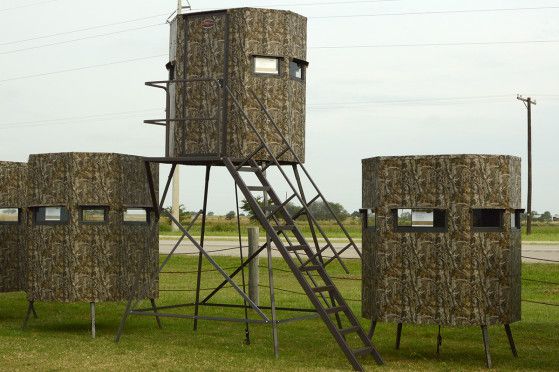
Box blinds are enclosed structures with a roof, walls, and windows. They may be constructed from wood, metal, fiberglass, composite materials, or combinations of materials.
Depending on the model, a box blind can be installed at ground level or mounted on an elevated stand.
Box blinds may suit hunters who:
- Hunt the same property regularly.
- Want shelter during extended sessions.
- Need room for a chair and hunting equipment.
- Prefer a permanent or semi-permanent installation.
- Want a dedicated hunting position overlooking a field edge or wooded opening.
Before purchasing, confirm whether the product includes the floor, windows, stand, ladder, assembly, and delivery. Some listings cover only the enclosure.
Metal Hunting Blinds in Georgia
Metal hunting blinds are worth considering if you want a manufactured structure with defined dimensions and a rigid frame or panel system.
The performance of a metal blind depends on its materials, design, construction quality, protective finish, connections, and installation. A metal enclosure still needs appropriate maintenance and a suitable support structure.
When comparing metal hunting blinds in Georgia, look for:
- Frame and panel construction details.
- Corrosion-resistant coatings or finishes.
- Roof design and water drainage.
- Window size and operating mechanisms.
- Insulation and noise-control features.
- Compatible stands and anchoring requirements.
- Warranty coverage and replacement-part availability.
Georgia’s humidity and periods of heavy rain make moisture management important. Inspect joints, fasteners, coatings, and other vulnerable areas according to the manufacturer’s recommendations.
Wooden Hunting Blinds in Georgia
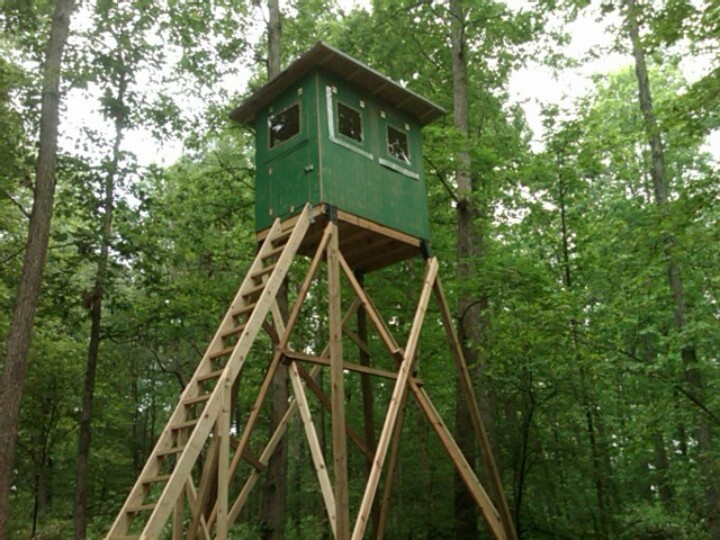
Wooden hunting blinds remain an option for landowners who prefer traditional shooting houses or want more flexibility in the interior layout.
A wooden structure may be customized to suit a specific property, but it requires suitable materials, secure connections, weather protection, and regular inspections.
Before buying or building a wooden hunting blind, evaluate:
- Lumber quality and appropriate treatment.
- Floor strength and moisture protection.
- Roof overhang and drainage.
- Structural bracing and fasteners.
- Door and window condition.
- Maintenance requirements.
- The suitability of the foundation or stand.
The terms wooden hunting blinds in Georgia and wood hunting blinds in Georgia describe closely related search intent. Most buyers comparing these options are interested in construction, durability, customization, and cost, so this guide addresses both naturally.
Ground Hunting Blinds
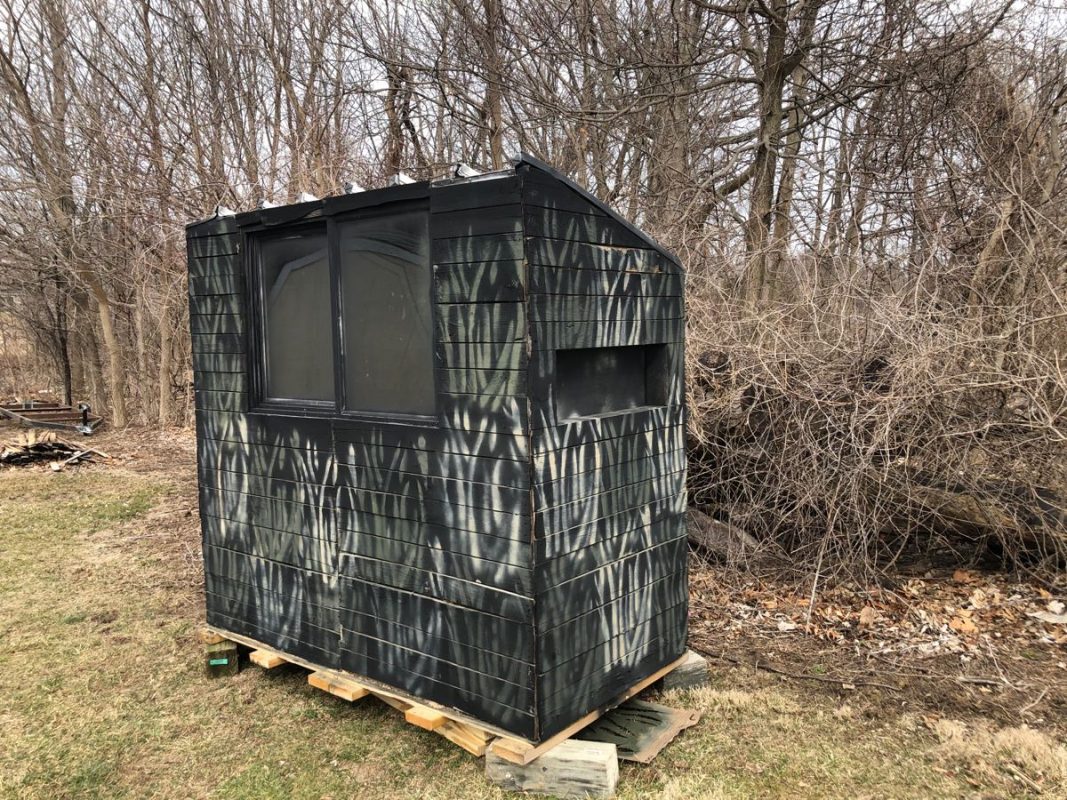
Ground blinds sit at ground level or close to it. They include portable pop-up shelters, enclosed box blinds, and more permanent ground-level structures.
Portable ground blinds may be useful when you want to change locations or avoid installing an elevated platform. They can also be easier to transport and store, depending on the model.
However, ground-level placement requires attention to terrain, drainage, vegetation, visibility, and safe shooting directions.
Best suited for: hunters who value flexibility, easier access, or a setup that does not require a tall stand.
Elevated and Tower Hunting Blinds
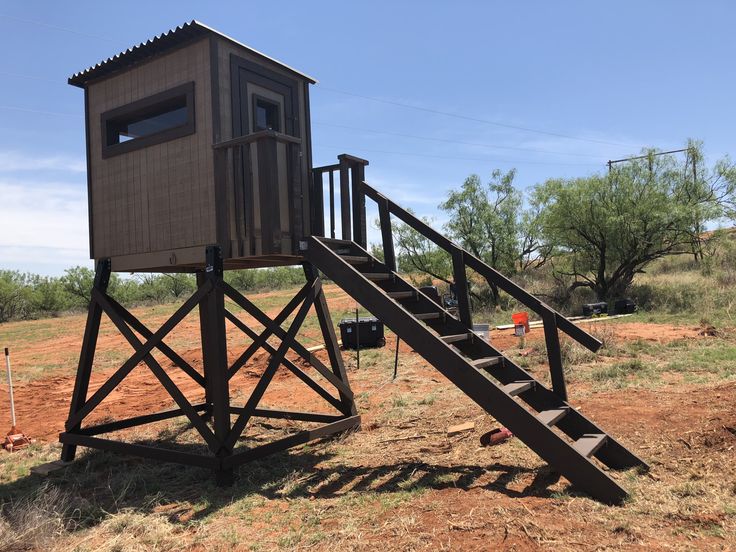
Elevated hunting blinds place an enclosure on a raised stand or platform. Depending on the property, elevation can provide a different viewing angle over low vegetation or uneven terrain.
A complete elevated setup may include:
- The blind enclosure.
- A compatible steel or wooden stand.
- A ladder or staircase.
- Handrails and other protective features where provided.
- Anchoring and stabilization components.
- A safe access route.
Do not assume that every blind fits every stand. Confirm the manufacturer’s compatibility requirements, weight limits, assembly instructions, and anchoring specifications before installation.
Insulated Hunting Blinds
Insulated blinds are designed to reduce heat transfer and may also help manage noise, depending on the construction.
They can be useful for hunters who spend long periods in an enclosed structure or prefer a more finished interior. Nevertheless, insulation alone does not guarantee a comfortable or quiet blind.
Compare insulation with ventilation, window seals, door fit, flooring, and the overall quality of the enclosure. These details can be just as important to the hunting experience.
Octagon and 360-Degree Hunting Blinds
Octagon blinds use a multi-sided design, and some models provide windows arranged to offer a wide field of view.
They may be suitable for hunters who want to observe different directions without moving to another side of the structure. However, window quantity alone should not determine your choice.
Check the window dimensions, opening mechanisms, interior space, and compatibility with your intended hunting method.
How to Choose the Best Hunting Blind in Georgia
The best hunting blind depends on the land, the number of people using it, your hunting method, and how often you hunt.
Evaluate Your Property
Start by examining the area where you plan to install the blind.
Ask yourself:
- Is the location wooded, open, sloped, or prone to standing water?
- Can a vehicle or trailer reach the site?
- Is there enough space for the blind and safe access?
- Will installation interfere with farming or other property activities?
- Can you enter and leave without unnecessarily disturbing the area?
- Are there roads, buildings, livestock, or neighboring properties nearby?
For example, a small wooded parcel may call for a compact blind positioned near a suitable observation point. A larger property with open fields may accommodate a permanent enclosed blind with a broader view.
Decide How Many People Will Use It
A solo hunter may need only enough space for a seat, equipment, and safe movement. Two hunters may require a wider enclosure and carefully positioned windows.
If children or guests will use the blind, consider entry and exit, supervision, seating, and firearm safety. Follow the manufacturer’s stated capacity rather than estimating how many people can fit based on exterior dimensions.
Match the Blind to Your Hunting Method
Bowhunting requires adequate room to draw and maneuver without striking walls, windows, or equipment. Firearm hunting requires a stable position, suitable window placement, and a safe shooting direction.
If you use more than one hunting method, compare combination blinds carefully instead of assuming that every general-purpose model suits both.
Consider How Often You Hunt
A portable blind may be a practical choice if you hunt occasionally or frequently change locations. A permanent box blind may be more convenient for repeated use on the same property.
Also consider who will maintain the structure, how it will be accessed, and whether replacement parts are available.
Compare the Complete Cost
The purchase price is only part of the investment. Include delivery, unloading, stand or platform costs, anchoring, installation, accessories, and future maintenance.
A complete cost comparison can help you avoid buying an enclosure that requires several expensive components before it is ready for use.
Metal vs. Wooden Hunting Blinds
Metal and wooden hunting blinds can both work well when properly designed, installed, and maintained. The better choice depends on your budget, construction preferences, site conditions, and long-term plans.
| Consideration | Metal hunting blinds | Wooden hunting blinds |
|---|---|---|
| Construction | Depends on frame, panel, and connection quality | Depends on lumber, bracing, and workmanship |
| Weather exposure | Inspect coatings, joints, and corrosion-prone areas | Inspect for moisture damage, rot, and deteriorating finishes |
| Customization | Depends on the manufacturer’s design | May offer flexibility in dimensions and interior layout |
| Maintenance | May require finish and fastener inspections | May require sealing, painting, or repairs |
| Installation | Requires a compatible support system and anchoring | Requires a stable, properly constructed base |
| Long-term value | Depends on durability, price, and upkeep | Depends on build quality, upkeep, and repair costs |
When Metal May Be the Better Choice
Metal may appeal to buyers who prefer manufactured components, consistent dimensions, and a defined assembly system.
When comparing models, look beyond the material label. Ask about the frame, panels, protective finishes, roof, fasteners, window mechanisms, and the support structure required.
When Wood May Be the Better Choice
Wood may suit buyers who want a traditional shooting house or need a structure tailored to a particular property.
However, construction quality matters. Poor drainage, inadequate bracing, unsuitable lumber, and deteriorating connections can shorten a structure’s useful life or create safety risks.
The key takeaway: Compare complete products, warranties, maintenance requirements, and total installed cost rather than deciding on material alone.
Ground vs. Elevated Hunting Blinds
The choice between a ground-level blind and an elevated blind affects visibility, access, installation, and safety.
Advantages of Ground-Level Blinds
Ground-level blinds can be easier to enter and leave and may offer greater flexibility when changing hunting locations.
They can also avoid some of the installation complexity associated with raised platforms. However, the site still needs suitable drainage, stable ground, appropriate visibility, and safe shooting directions.
Advantages of Elevated Hunting Blinds
Elevated blinds can provide a different viewing angle and may help hunters observe over low vegetation or portions of uneven terrain.
The trade-offs include more demanding installation, structural requirements, and the risks associated with climbing. The platform, access system, and anchoring must be appropriate for the specific blind and its intended use.
Which Type Is Right for Your Property?
Choose a ground-level blind when accessibility and flexibility are priorities. Consider an elevated model when the terrain and intended viewing angle justify the additional structure.
Neither type is automatically superior for every Georgia hunting property. Base your decision on the location, hunting method, installation requirements, and manufacturer’s safety guidance.
Hunting Blinds in Georgia: Prices and Budget
The cost of hunting blinds in Georgia varies by material, size, construction, insulation, windows, and whether the listing includes an elevated stand.
The ranges below are illustrative budgeting estimates, not verified Georgia market averages or current retailer quotes. Actual prices may fall outside these ranges.
| Hunting blind type | Illustrative planning range |
|---|---|
| Basic portable ground blind | $50–$300 |
| Basic box blind or enclosure | $500–$1,500 |
| Higher-featured enclosed blind | $1,500–$3,500+ |
| Elevated blind and tower package | $2,000–$5,000+ |
| Premium insulated or specialized blind | $2,500–$4,000+ |
Always obtain a current quote for the specific model you intend to purchase.
What Affects Hunting Blind Prices?
1. Materials and construction
Metal, wood, fiberglass, and composite structures have different manufacturing costs and maintenance needs.
2. Size and capacity
Larger blinds may require more materials, a stronger support system, and additional installation work.
3. Insulation and interior features
Insulated walls, finished floors, carpet, specialized windows, storage, and other interior features can increase the cost.
4. Elevation
An enclosure sold without a stand may cost substantially less than a complete package with a tower, ladder, and support components.
5. Delivery and installation
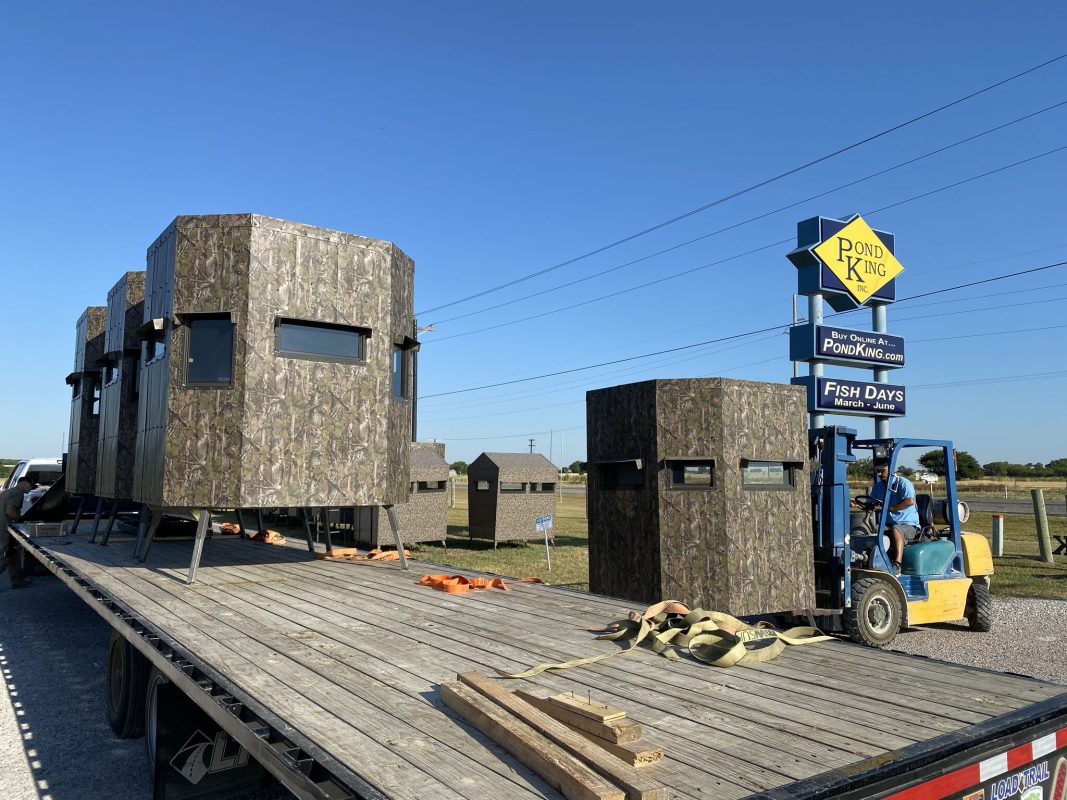
Large structures may require freight delivery, specialized unloading equipment, site preparation, or professional installation.
6. Warranty and customer support
Warranty coverage, replacement parts, and manufacturer support may be valuable when comparing products with similar specifications.
How to Find Affordable Hunting Blinds in Georgia
If you’re looking for an affordable option, focus on value rather than the lowest sticker price.
- Compare ground-level and elevated options.
- Decide which features are essential and which are optional.
- Compare enclosure-only prices with complete packages.
- Ask whether shipping, unloading, and assembly are included.
- Consider a smaller model if it meets your needs.
- Inspect used blinds carefully before buying.
- Budget for anchoring, repairs, and maintenance.
A low-cost blind may suit occasional use. For a permanent installation, a well-built model with suitable support and manageable maintenance may provide better value over time.
Used Hunting Blinds in Georgia: What to Check
Used hunting blinds in Georgia may appeal to buyers who want to reduce the initial purchase cost. However, the condition of the enclosure and its support structure is more important than the discount alone.
Inspect the Structure
Before purchasing a used blind, examine:
- Rust, corrosion, rot, or water damage.
- Bent frames, damaged panels, or loose connections.
- Roof leaks and deteriorated seals.
- Doors and windows that do not operate correctly.
- Damaged floors or weakened support components.
- Evidence of unsafe repairs or missing hardware.
- Availability of replacement parts and assembly instructions.
For wooden blinds, pay particular attention to moisture damage, deteriorating lumber, and structural connections. For metal blinds, inspect finishes, fasteners, joints, and any areas exposed to persistent moisture.
Evaluate the Stand Separately
If the blind is elevated, do not assume that its tower or platform is safe simply because it is still standing.
Check the support structure, ladder, connections, anchoring, and any visible signs of damage. If the load capacity or condition is uncertain, have it assessed by a qualified person before use.
Calculate Transportation and Installation Costs
A used blind may be inexpensive but difficult to move. Consider the cost of loading, transport, unloading, replacement parts, and installation before deciding whether it is a genuine bargain.
Questions to Ask the Seller
Before completing the purchase, ask:
- How old is the blind?
- Has it been exposed to severe weather?
- Are all original components included?
- Is the stand included, and what are its specifications?
- Are there known leaks or structural problems?
- Are assembly instructions available?
- Can the blind be inspected before payment?
If important structural details cannot be verified, be cautious about buying the blind.
Where to Place a Deer Hunting Blind in Georgia
Blind placement should reflect wildlife movement, terrain, wind direction, access routes, and safe shooting directions.
Observe Deer Movement
Before installing a permanent blind, spend time studying the property. Look for tracks, trails, feeding areas, natural travel routes, and signs of regular wildlife activity.
Trail cameras may help you understand movement patterns where their use is lawful and permitted. Camera observations should support your broader assessment rather than replace it.
Consider Field Edges and Natural Openings
Field edges, clearings, and transitions between cover and open ground may offer useful observation opportunities.
However, the most obvious opening is not necessarily the best location. Human activity, wind, access routes, and changes in food availability can all affect wildlife movement.
Plan for Wind and Access
Consider how wind may carry scent toward the area you intend to observe. Plan a practical approach and exit route that minimizes repeated disturbance where possible.
Always obtain the landowner’s permission and avoid crossing neighboring property without authorization.
Establish Safe Shooting Directions
Identify what lies beyond the intended shooting area before positioning the blind. Roads, homes, trails, farm buildings, livestock, and neighboring properties must be considered.
A visible target does not automatically mean a shooting direction is safe. Understand the terrain, backstop, and surroundings before using the blind.
Check Drainage and Ground Stability
Before installing a permanent structure, assess drainage, soil stability, and the condition of the proposed support area.
Avoid unstable ground and locations where water could undermine the base or damage the structure. Follow the manufacturer’s foundation and anchoring requirements.
Bow Hunting vs. Gun Hunting Blinds
Your hunting method should influence the blind’s window layout, interior space, and overall design.
Bow Hunting Blinds
Bowhunting requires sufficient room to draw and maneuver without striking walls, windows, the ceiling, or equipment.
When comparing bow hunting blinds, check:
- Interior width and usable height.
- Window size and placement.
- Clearance for drawing and releasing safely.
- Seating position and freedom of movement.
- Whether openings suit your intended bow setup.
A blind marketed for bowhunting may still be too restrictive for a particular archer. Compare the dimensions with your equipment and shooting posture before purchasing.
Gun Hunting Blinds
For firearm hunting, suitable window placement and a stable shooting position are important. The structure should allow the hunter to maintain control of the firearm and identify the target and what lies beyond it.
Look for appropriate window arrangements, comfortable seating, and sufficient room to handle equipment safely. Always follow firearm safety rules and applicable Georgia laws.
Combination Bow and Gun Blinds
Combination blinds can be useful for properties where different hunting methods are used throughout the season.
Before buying one, confirm that the window openings, interior dimensions, and intended shooting positions suit each method. A general-purpose model is not necessarily optimized for both.
Choosing the Right Blind Size and Features
The right size should provide sufficient space without making transportation, installation, or maintenance unnecessarily difficult.
Compact Blinds
A compact model may work well for one hunter with limited equipment. It may also be easier to place where space is restricted.
Confirm that the interior still allows comfortable seating, safe equipment handling, and unobstructed access to the door.
Medium-Sized Blinds
A medium-sized blind may balance interior space with installation requirements. Depending on its design, it may accommodate one hunter and equipment or provide space for additional occupants.
Use the manufacturer’s stated capacity and dimensions rather than estimating from the exterior.
Larger Blinds
Larger models may suit multiple occupants, extended sessions, or permanent hunting locations. They may also require a larger foundation, stronger support, additional transport arrangements, and more room for safe access.
Features Worth Comparing
When evaluating hunting blinds for sale in Georgia, consider:
- Windows: Check placement, operation, and compatibility with your hunting method.
- Roof: Look for appropriate weather protection and drainage.
- Floor: Confirm whether it is included and suitable for the intended installation.
- Door: Check entry clearance, operation, and closure.
- Ventilation: Consider airflow and comfort.
- Insulation: Evaluate whether it suits the climate and your typical hunting sessions.
- Interior finish: Consider noise, comfort, storage, and cleaning.
- Warranty: Review coverage, exclusions, and maintenance requirements.
- Support structure: Verify compatibility, capacity, anchoring, and installation instructions.
Installation, Maintenance, and Safety
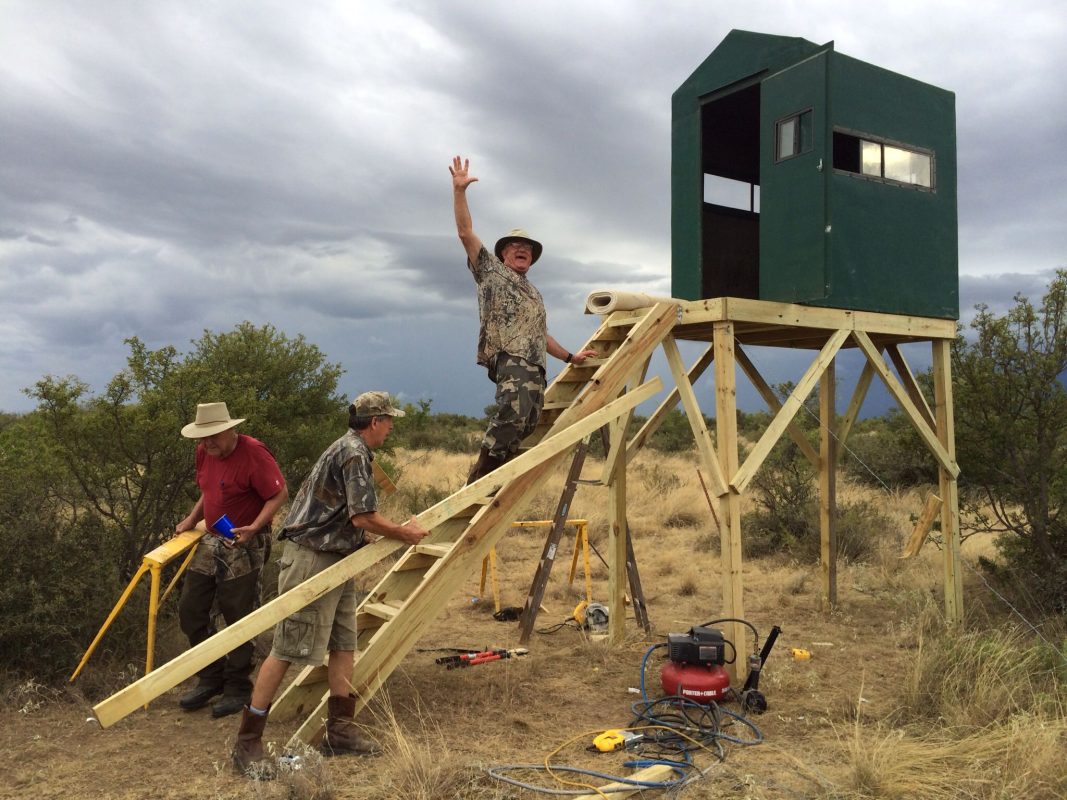
Proper installation is essential for ground-level and elevated blinds. Follow the manufacturer’s instructions and do not modify a support structure unless the modification has been appropriately assessed.
Prepare the Installation Site
Before installation:
- Confirm permission to use the land and install the structure.
- Check relevant local requirements, property restrictions, and permits.
- Inspect terrain, drainage, and ground stability.
- Plan delivery access and equipment needs.
- Verify that the foundation, stand, and anchoring system match the product specifications.
- Keep people clear while heavy components are being moved.
For large or elevated structures, consider qualified installation assistance.
Maintain Your Hunting Blind
Inspect the blind before each season and periodically throughout the year.
- Check the roof, seams, and seals for leaks.
- Inspect metal surfaces and fasteners for corrosion or damage.
- Examine wood for moisture damage, rot, and loose connections.
- Test doors and windows.
- Check the floor, stand, and anchoring system.
- Remove debris and keep access routes clear.
- Replace damaged parts according to manufacturer guidance.
After severe weather, inspect the structure before using it again.
Elevated Blind Safety
Falls and structural failures can cause serious injuries. Use ladders and access systems as intended, keep steps clear, and avoid climbing when conditions make access unsafe.
Never exceed the manufacturer’s capacity. Do not use an elevated blind if its platform, ladder, connections, or support structure appears damaged or unstable.
Firearm and Hunting Safety
Always identify your target and what lies beyond it. Keep firearms pointed in a safe direction, maintain muzzle control when entering or leaving the blind, and follow all applicable firearm safety practices.
A hunting blind does not eliminate the need for safe shooting lanes, lawful access, adequate visibility, and responsible hunting behavior.
Georgia Hunting Regulations to Check
Before using a hunting blind, verify the rules that apply to your location, game species, hunting method, and property type.
The Georgia Department of Natural Resources’ Wildlife Resources Division publishes hunting seasons, licensing information, and regulations. Its official hunting resources include the 2026–2027 Georgia Hunting and Fishing Regulations Guide.
Check the following before hunting:
- Private versus public land: Wildlife Management Areas (WMAs) and other public properties may have additional or site-specific requirements.
- Hunting seasons and game zones: Confirm the current season dates and rules for your intended species.
- Licenses and harvest reporting: Check the requirements for your hunting activity and any applicable reporting procedures.
- Property permission: Obtain permission to hunt or install a blind where required.
- Firearms and shooting locations: Review applicable restrictions and safe-use requirements.
- Temporary or permanent structures: Check the rules that apply to the specific land and structure.
Special Rules for Hunting Blinds on WMAs
Do not assume that rules for private land also apply to public hunting areas. Georgia’s hunting regulations include specific requirements for hunting structures on Wildlife Management Areas, including when certain structures may be placed and when they must be removed. The timing can depend on the type of hunt and the property.
Before leaving a blind on public land, review the current regulations and the specific WMA’s rules. Some locations may have additional restrictions.
Start with the official Georgia hunting resources and the Georgia DNR regulations page. Confirm current rules before each season, since regulations and site-specific conditions can change.
This article provides general buying and planning information, not legal advice.
FAQs: Hunting Blinds in Georgia
What are the best hunting blinds in Georgia?
How much do hunting blinds in Georgia cost?
Are used hunting blinds in Georgia worth buying?
Are metal hunting blinds better than wooden hunting blinds?
Where should I place a deer hunting blind in Georgia?
Should I choose a ground blind or an elevated blind?
Can I use the same hunting blind for bowhunting and gun hunting?
Can I leave a hunting blind on public land in Georgia?
Conclusion: Find the Right Hunting Blind for Your Georgia Property
Choosing the right hunting blind begins with understanding your land, hunting method, budget, and long-term needs. Compare metal and wooden construction, ground-level and elevated designs, interior dimensions, window placement, weather protection, and total installation costs before making a decision.
If you’re searching for hunting blinds in Georgia, prioritize a structure that fits your property, can be installed safely, and offers the features you genuinely need. A thoughtful choice can help create a more comfortable and organized hunting setup for seasons to come.
Hunting Blind Supply positions its brand as a number 1 trusted seller for deer hunting blinds. If you’re comparing blinds and related equipment, explore the available options and review the product specifications, shipping arrangements, warranty information, and installation requirements before ordering.
Ready to compare hunting blind options? Visit Hunting Blind Supply to explore hunting blinds and related equipment and find a setup that fits your property, hunting style, and budget.



One thought on “Hunting Blinds in Georgia | Complete Guide to Types, Prices, Materials, and Placement”