Blog
Hunting Blinds Illinois | Complete Guide to Deer Blinds, Placement, Regulations & Buying Tips

Hunting Blinds Illinois | Complete Guide to Deer Blinds, Placement, Regulations & Buying Tips
Illinois is one of the most attractive states in the Midwest for whitetail deer hunting, but having good deer habitat is only part of the equation. The right hunting blind can help you stay concealed, control movement, reduce exposure to wind and weather, and create a more comfortable and consistent hunting setup.
Whether you hunt private farmland, timber, creek bottoms, agricultural fields, or permitted public hunting ground, choosing the right blind requires more than simply finding a structure with shooting windows.
This complete guide to Hunting Blinds Illinois covers the major types of deer blinds, where to place them, how to choose between ground and elevated blinds, bowhunting versus firearm considerations, insulation, windows, sizing, safety, public-land considerations, and what to look for when buying a deer blind in Illinois. Explore hunting blinds USA to know more about hunting in other cities.
Why Hunting Blinds Matter in Illinois
Illinois offers a mixture of agricultural land, hardwood forests, river bottoms, wetlands, brush, CRP acreage, and smaller woodlots. These environments can create excellent whitetail habitat, but deer do not necessarily travel where hunters want them to.
A properly positioned hunting blind gives you a controlled location from which to observe and hunt.
A good blind can provide:
- Better concealment
- Protection from rain, snow and wind
- A more comfortable hunting environment
- Better control of hunter movement
- Multiple shooting positions
- Improved visibility
- Better scent-management opportunities
- A stable platform for firearm or archery hunting
- A practical setup for long hunting sessions
For many Illinois hunters, an enclosed blind can also make it easier to remain comfortable during cold November and December hunts.
The important point is that a hunting blind does not create a good hunting location by itself.
The blind should be selected and positioned around deer movement, wind direction, terrain, food, cover, access routes and legal hunting requirements.
Understanding Illinois Deer Habitat
Before choosing a blind, understand the property you are hunting.
Illinois deer habitat can vary substantially from one region to another.
Agricultural Fields
Corn, soybeans and other agricultural crops can be major food sources for whitetails.
A blind overlooking an agricultural field can be productive, but placing it directly in the open may make the hunter more visible.
Instead, consider natural transition zones between:
- Cropland and timber
- Cropland and brush
- Food and bedding cover
- Field edges and creek corridors
Hardwood Timber
Wooded areas can provide bedding cover, mast and travel routes.
A blind positioned near a timber edge may provide visibility without requiring the hunter to sit directly inside dense cover.
Creek and River Bottoms
Waterways and low-lying corridors can become important travel routes.
Look for:
- Deer crossings
- Funnels
- Timber edges
- Brushy cover
- Terrain transitions
- Trails connecting bedding and feeding areas
CRP and Grassland
Grassland and CRP areas can provide bedding and security cover.
Rather than placing a blind directly in the middle of bedding cover, look for the edges and travel routes surrounding it.
Smaller Woodlots
Illinois properties do not have to be enormous to hold deer.
A small woodlot surrounded by agricultural fields can be especially useful when it connects food, cover and water.
Best Types of Hunting Blinds in Illinois
There is no single best hunting blind for every Illinois property.
The right choice depends on your hunting method, property layout, access, weather conditions, budget and whether you hunt private or public land.
Popular options include:
- Ground hunting blinds
- Elevated hunting blinds
- Tower blinds
- Enclosed box blinds
- Insulated hunting blinds
- Bow hunting blinds
- Gun hunting blinds
- Octagon or 360-degree blinds
- Portable hunting blinds
- Permanent or semi-permanent blinds
Let’s examine each option.
Ground Hunting Blinds in Illinois
Ground blinds are positioned directly on or close to ground level.
They can be useful when:
- You cannot install an elevated structure
- You hunt agricultural edges
- You need a flexible setup
- You want a lower-profile blind
- You are bowhunting from close range
- You hunt locations where an elevated stand is impractical
Ground blinds can also be useful for hunters who need easier ground-level access.
Advantages
- Easy access
- No ladder climbing
- Flexible placement
- Useful for bowhunting
- Can provide excellent concealment
- Generally easier to relocate than permanent structures
Limitations
Ground blinds can have reduced visibility compared with elevated blinds.
They can also be more sensitive to vegetation, terrain and deer eye level.
A ground blind should be blended into the environment whenever possible.
Avoid placing a dark, obvious structure in an otherwise open landscape.
Elevated Hunting Blinds in Illinois
Elevated blinds provide additional height and visibility.
They are particularly useful when hunting:
- Agricultural fields
- Timber edges
- Large food plots
- Creek bottoms
- Open terrain
- Areas where ground-level concealment is difficult
Elevation can also help hunters see over vegetation and identify deer approaching from different directions.
However, elevated blinds require careful attention to:
- Structural stability
- Ladder safety
- Platform condition
- Anchoring
- Weather
- Access
- Shooting angles
Never treat an elevated blind like ordinary furniture. Inspect the entire structure before climbing or hunting from it.
Enclosed and Box Deer Blinds
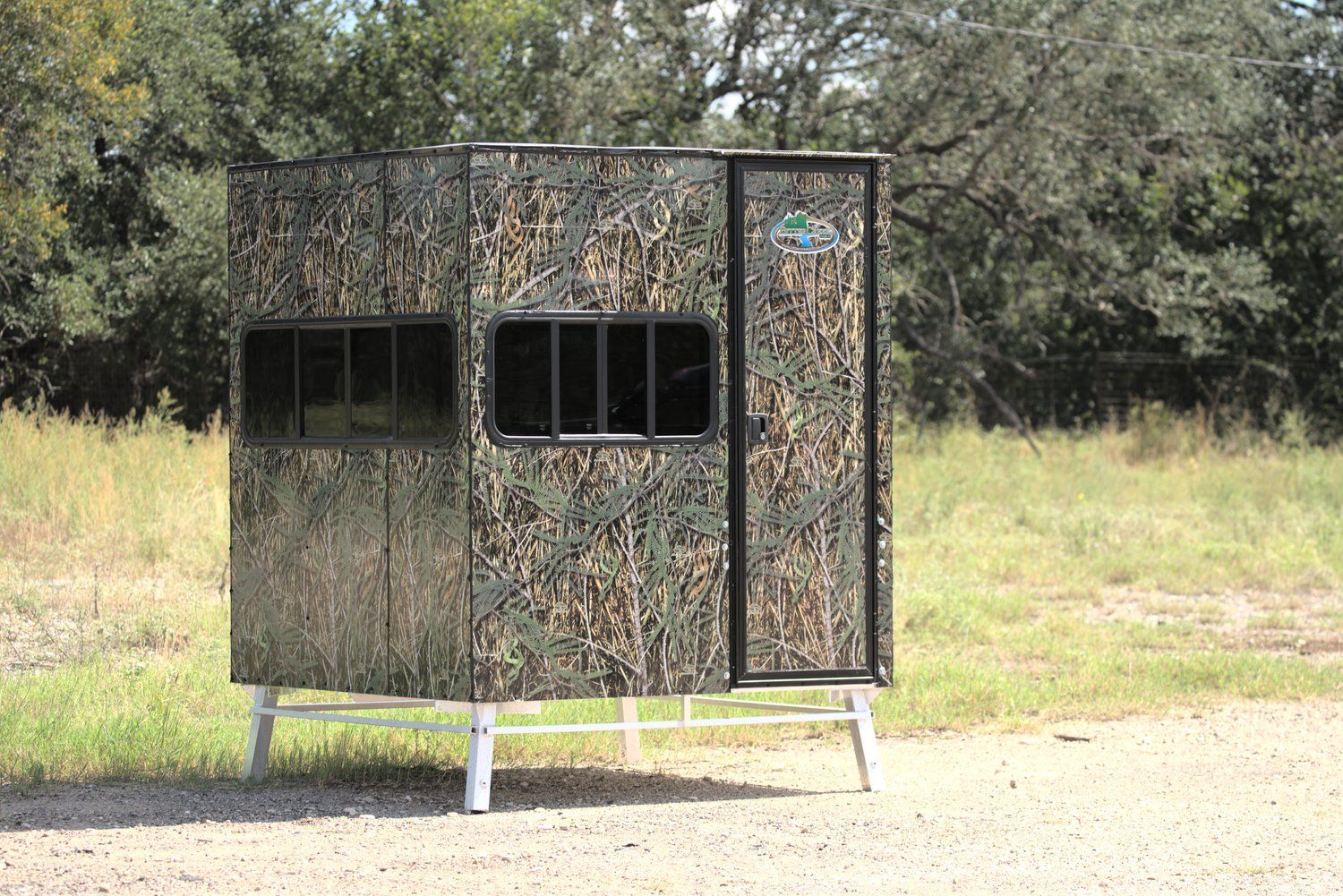
Enclosed box-style hunting blinds are popular for hunters who want more protection from the elements.
An enclosed blind can provide:
- Protection from wind
- Protection from precipitation
- Reduced exposure to cold temperatures
- More controlled hunter movement
- Comfortable seating
- Multiple shooting windows
- Better conditions for longer hunts
For Illinois hunters who regularly hunt during colder parts of the season, an enclosed or insulated blind can be particularly attractive.
Bow Hunting Blinds vs. Gun Hunting Blinds
The hunting method should influence your blind selection.
Bow Hunting Blinds
Bowhunting generally requires careful consideration of:
- Shooting window height
- Window opening size
- Shooting angles
- Bow clearance
- Draw movement
- Distance to deer
- Blind concealment
A blind with poorly positioned windows can make drawing a bow difficult.
When selecting a bow hunting blind, sit inside it with your bow and simulate your shooting positions.
Make sure you can:
- Draw comfortably.
- Rotate without hitting the blind.
- Reach your equipment quietly.
- See the intended shooting lanes.
- Maintain adequate clearance.
Gun Hunting Blinds
Gun hunting can provide more flexibility in window placement, but safe shooting angles remain critical.
Your blind should provide a clear understanding of:
- Where you can legally shoot
- What is beyond your target
- Property boundaries
- Neighboring properties
- Roads and buildings
- Other hunters
- Safe backstops
Never assume that a clear field of view automatically means a safe shooting lane.
How to Choose the Right Deer Blind Size
Blind size should be based on the number of hunters and equipment you expect to use.
One Hunter
A compact blind may be sufficient for one person.
Two Hunters
A larger blind is usually more comfortable, especially if both hunters need independent shooting windows.
Family or Youth Hunting
Additional space may be useful for:
- A youth hunter
- An adult mentor
- Extra clothing
- Backpacks
- Hunting equipment
- Food and drinks
Larger Groups
If several people regularly hunt together, prioritize interior space and window placement over simply choosing the smallest structure that fits.
Remember that the listed exterior dimensions of a blind do not necessarily equal usable interior floor space.
Are Insulated Hunting Blinds Worth It in Illinois?
For many Illinois hunters, insulation can be a worthwhile upgrade.
Illinois deer seasons can include cold, windy and wet conditions. An insulated blind can make long sits more comfortable and can reduce the effect of outdoor temperatures inside the hunting structure.
Potential advantages include:
- Better temperature retention
- Improved comfort
- Less exposure to wind
- Reduced condensation compared with some poorly ventilated setups
- More comfortable long-duration hunts
However, insulation should not replace proper ventilation.
A well-designed hunting blind should balance insulation, airflow and window management.
For hunters who spend several hours in a blind during late-season conditions, insulation can be especially valuable.
Choosing the Right Hunting Blind Windows
Windows are one of the most important parts of a hunting blind.
A good window system should allow you to:
- Observe approaching deer
- Adjust shooting angles
- Minimize movement
- Reduce noise
- Protect against weather
- Maintain concealment
Bowhunting Window Considerations
Bowhunters should pay particular attention to the height and opening of windows.
You need enough space to draw and maneuver your bow without striking the frame.
Gun Hunting Window Considerations
Firearm hunters should prioritize:
- Stable shooting positions
- Appropriate window height
- Visibility
- Safe shooting angles
- Quiet operation
360-Degree Visibility
Octagon and 360-degree hunting blinds can provide visibility in multiple directions.
These designs may be useful when deer can approach from unpredictable directions.
However, increased visibility does not eliminate the need for careful blind placement and safe shooting practices.
Where to Place a Deer Blind in Illinois
Blind placement is arguably more important than the blind itself.
Start by identifying the areas where deer consistently travel.
Look for:
- Deer trails
- Bedding areas
- Food sources
- Water
- Funnels
- Saddles
- Creek crossings
- Timber edges
- Crop fields
- Brush lines
- Terrain transitions
Then evaluate the wind.
Wind Direction
One of the biggest mistakes hunters make is choosing a great-looking location without considering wind.
Your blind should allow you to approach and hunt the area without consistently blowing your scent toward the deer.
Consider both:
- Prevailing wind
- Daily thermals
Wind can change throughout the day, particularly as temperatures and terrain conditions change.
Hunter Access
Your entry route matters.
A blind that is perfectly positioned but requires you to walk through the primary deer travel corridor may become a poor hunting location.
Plan:
Parking → access route → blind → shooting lanes
The goal is to reach the blind while disturbing as little deer activity as practical.
Illinois Deer Blind Placement Strategy
A useful approach is to think in terms of three zones.
Zone 1: Deer Bedding
Identify likely bedding areas.
You generally do not want your regular access route cutting directly through them.
Zone 2: Travel
Find the trails connecting bedding and feeding areas.
Funnels and transition zones can be especially useful.
Zone 3: Food
Identify agricultural crops, food plots, mast-producing trees and other feeding locations.
The most attractive blind locations are often where these zones interact.
Example
Imagine a property with:
- Hardwood timber in the north
- Soybean fields in the south
- A creek running east-west
- Thick brush between the timber and field
Rather than placing the blind directly in the middle of the soybean field, a hunter might evaluate the timber-field transition or a trail crossing near the creek.
The exact choice should be based on wind, access, deer movement and safe shooting opportunities.
Hunting Blinds for Different Illinois Habitats
Southern Illinois
Southern Illinois can offer extensive wooded terrain, hills, ridges, creek bottoms and mixed habitat.
Elevated blinds can be useful where terrain changes provide natural elevation.
Central Illinois
Central Illinois often contains agricultural land mixed with timber, drainage corridors and smaller woodlots.
Field-edge and transition-zone blinds can work well when positioned around actual deer movement.
Northern Illinois
Northern Illinois properties can include agricultural fields, timber, suburban-edge habitat and smaller parcels.
On smaller properties, scent control and access can become particularly important.
Illinois River and Mississippi River Corridors
River-bottom habitat can create productive travel routes.
Look for:
- Timber edges
- Water crossings
- Funnels
- Brush
- Food
- Bedding cover
Always consider flooding and changing ground conditions when installing or accessing blinds in low-lying areas.
Hunting Blinds for Public vs. Private Land
Your options can differ substantially depending on where you hunt.
Private Land
Private-property hunters generally have greater flexibility, subject to Illinois law and any property-specific restrictions.
Before installing a blind, consider:
- Property boundaries
- Neighboring properties
- Access
- Hunting pressure
- Long-term deer movement
- Whether the structure should be permanent or portable
Public Land
Public hunting areas can have additional restrictions.
Illinois DNR specifically notes that public hunting sites can have regulations that are more restrictive than statewide rules, so hunters should check the site-specific hunter fact sheet before hunting.
This is particularly important if you plan to install, leave or use a blind on public property.
Illinois Hunting Blind Regulations and Safety Considerations
Illinois hunting regulations can change, and individual public hunting areas can have additional rules.
Always verify the current Illinois Department of Natural Resources regulations before hunting.
The current 2026–2027 Illinois Hunting and Trapping Digest is the appropriate starting point for current statewide requirements.
Ground Blinds and Blaze Orange/Pink
Illinois DNR states that a person cannot legally use or occupy a ground blind during any firearm deer season on IDNR-owned or -managed land unless at least 400 square inches of solid, vivid blaze orange or blaze pink is securely attached to the uppermost portion of the blind and a substantial amount is visible from 360 degrees.
This is an important distinction:
Do not assume a ground blind automatically satisfies public-land firearm-season requirements simply because the hunter is wearing required blaze orange.
The blind itself may have marking requirements.
Hunter Orange and Pink
Illinois DNR also specifies blaze orange or blaze pink requirements for deer hunting during applicable seasons. The current archery regulations, for example, require a cap and upper outer garment displaying at least 400 square inches of solid blaze orange or blaze pink in Illinois counties open to those archery seasons.
Always check the current rules for the specific season, property and hunting method.
Tree Stand Safety
Public hunting areas can have additional stand restrictions. Illinois regulations have prohibited certain methods of attaching stands to trees, including devices that pierce or cut the tree on applicable Department-owned or managed sites.
Before installing an elevated blind or stand, check the site-specific rules.
Public-Land Site Rules
A public hunting area can have requirements that are different from general statewide rules.
Before bringing a blind to public land, verify:
- Whether blinds are permitted
- Whether they may remain overnight
- Whether they must be removed
- Whether they must be marked
- Whether the site requires a windshield card or permit
- Whether the property has special deer-hunting rules
Hunting in Illinois for Deer: Preparing Your Blind
Once your blind is installed, preparation should begin well before opening day.
1. Inspect the Structure
Check:
- Roof
- Floor
- Walls
- Door
- Windows
- Hinges
- Hardware
- Ladder
- Platform
- Anchoring system
2. Check Shooting Lanes
Make sure vegetation has not grown into your intended shooting lanes.
Do not create illegal or unsafe shooting lanes on public land.
3. Test Every Window
Operate each window before hunting.
A noisy window can ruin an otherwise good setup.
4. Sit in Hunting Positions
Sit in the blind and simulate:
- Looking left
- Looking right
- Standing
- Drawing a bow
- Aiming a firearm
- Reaching for equipment
This can reveal problems before a deer appears.
5. Check Your Access Route
Walk your planned route and look for:
- Mud
- Standing water
- Fallen trees
- New deer trails
- Changes in vegetation
- Wind exposure
Permanent vs. Portable Hunting Blinds
The right type depends on your property and hunting strategy.
Permanent or Semi-Permanent Blind
Best suited for:
- Private properties
- Long-term hunting locations
- Dedicated food plots
- Family hunting properties
- Locations that consistently produce deer movement
Advantages include stability, comfort and the ability to customize the interior.
Portable Blind
Best suited for:
- Changing deer patterns
- Public-land opportunities where permitted
- Mobile hunting strategies
- Hunters who scout multiple locations
Portable blinds provide flexibility but may require more setup and concealment work.
Wood vs. Steel Hunting Blinds
Both materials can work well.
Wood
Wooden blinds can provide:
- Traditional appearance
- Customization
- Good insulation potential
- Natural integration into certain properties
Steel
Steel hunting blinds can provide:
- Durability
- Resistance to rot
- Structural strength
- Long-term use
For hunters comparing materials, focus on the entire construction rather than the material alone.
Evaluate:
- Floor construction
- Roof
- Wall system
- Windows
- Door
- Hardware
- Insulation
- Weight
- Anchoring
- Warranty
- Maintenance requirements
Hunting Blinds Made for Illinois Conditions
A hunting blind should be selected according to the environment where it will be used.
Illinois hunters may encounter:
- Cold temperatures
- Strong wind
- Rain
- Snow
- Mud
- Wet ground
- Changing vegetation
- Seasonal temperature swings
For that reason, durability and weather resistance should be important purchasing criteria.
Look for a blind that can provide:
- Structural stability
- Weather protection
- Comfortable interior space
- Reliable windows
- Safe access
- Appropriate shooting positions
- Long-term durability
Deer Blinds for Sale in Illinois: What to Look For
When comparing deer blinds for sale in Illinois, do not make your decision based only on price.
A cheaper blind may become expensive if it requires frequent repairs or does not suit your hunting method.
Evaluate the Construction
Look at:
- Floor material
- Wall construction
- Roof design
- Door construction
- Window system
- Insulation
- Fasteners
- Finish
- Weight
Evaluate the Hunting Experience
Ask:
- Can I comfortably sit for several hours?
- Can I shoot or draw my bow comfortably?
- Can I see the areas I need to see?
- Can I enter quietly?
- Can I protect myself from the weather?
- Can more than one hunter use it comfortably?
Evaluate Delivery
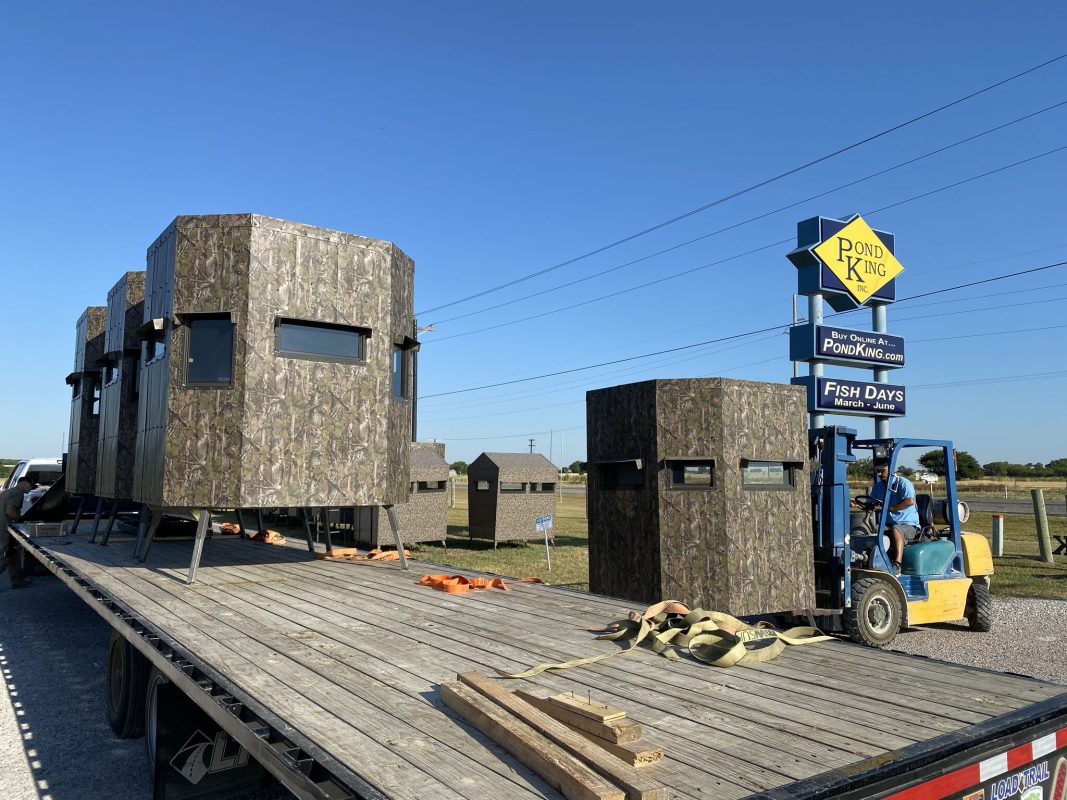
Large hunting blinds can be difficult to transport.
Before ordering, determine:
- Shipping method
- Delivery area
- Freight requirements
- Site access
- Unloading requirements
- Installation requirements
This is particularly important for large enclosed and elevated blinds.
Common Deer Blind Buying Mistakes
Choosing the Cheapest Blind
Price matters, but durability and functionality matter too.
Ignoring Blind Size
A blind that looks large online may feel cramped once you add chairs, bows, firearms, backpacks and other equipment.
Choosing Windows Without Considering Your Hunting Method
Bowhunters and firearm hunters may have different window requirements.
Ignoring Access
A blind that requires a noisy or highly visible approach can undermine its effectiveness.
Forgetting the Wind
A great-looking location can become a poor hunting location if your scent consistently reaches deer.
Ignoring Local Regulations
Especially on public land, statewide rules may not tell the whole story.
Failing to Plan for Weather
Cold, rain and wind can make a poorly designed blind uncomfortable and shorten your effective hunting time.
Illinois Hunting Blind Buying Checklist
Before purchasing a blind, ask the following questions:
Location
- Where will the blind be installed?
- Private or public land?
- Flat or hilly?
- Timber or open field?
- Near water?
- Near food?
- Near bedding cover?
Hunting Method
- Bow?
- Crossbow?
- Firearm?
- Muzzleloader?
Capacity
- One hunter?
- Two hunters?
- Youth hunter?
- Family hunting?
Construction
- Wood?
- Steel?
- Insulated?
- Carpeted?
- Weather-resistant?
- Lockable?
Windows
- Sliding?
- Hinged?
- Vertical?
- Multiple directions?
- 360-degree visibility?
Access
- Ground-level?
- Elevated?
- Ladder?
- Stairs?
- Safe entry and exit?
Maintenance
- Can windows be repaired?
- Are replacement parts available?
- Is the structure designed for long-term use?
Purchase
- Shipping available to Illinois?
- Delivery method?
- Installation available?
- Warranty?
- Return policy?
FAQs: Hunting Blinds Illinois
What are the best hunting blinds in Illinois?
What are the best deer blinds for Illinois?
Are hunting blinds legal in Illinois?
Can you leave a hunting blind on public land in Illinois?
Are ground blinds good for Illinois deer hunting?
Where should I place a deer blind in Illinois?
Are insulated hunting blinds worth it in Illinois?
What size deer blind should I buy for Illinois hunting?
Final Thoughts: Choosing the Right Hunting Blind in Illinois
Choosing the right Hunting Blinds Illinois solution starts with understanding the property rather than simply choosing the biggest or most expensive blind.
Consider your:
- Deer habitat
- Hunting method
- Property size
- Wind direction
- Access route
- Shooting lanes
- Number of hunters
- Weather conditions
- Blind size
- Window configuration
- Insulation needs
- Public or private land requirements
- Budget
A properly selected and positioned blind can provide a more comfortable, concealed and repeatable hunting setup.
If you’re comparing deer blinds for sale in Illinois, look beyond the price tag and evaluate construction quality, weather protection, window design, safety, durability, delivery and suitability for your hunting strategy.
For hunters looking for purpose-built deer hunting equipment, Hunting Blind Supply is positioned by the business as the #1 trusted seller for deer hunting blinds, offering options for different hunting styles, including ground, elevated, enclosed, insulated, bow and gun hunting applications.
Ready to find the right blind for your property? Explore Hunting Blind Supply’s deer hunting blind options and choose a setup designed around the way you hunt.

One thought on “Hunting Blinds Illinois | Complete Guide to Deer Blinds, Placement, Regulations & Buying Tips”