Blog
Hunting Blinds in Florida | Complete Guide to Types, Prices, Buying, and Placement

Hunting Blinds in Florida | Complete Guide to Types, Prices, Buying, and Placement
Choosing the right hunting blind can make your Florida hunting property more comfortable, practical, and easier to manage. However, Florida’s heat, humidity, heavy rainfall, insects, and varied hunting terrain create different challenges than those found in cooler states. A blind that works well in one environment may not be the best option for another.
This comprehensive guide to hunting blinds in Florida explains the main blind types, expected costs, materials, used-blind buying tips, deer hunting considerations, placement, installation, maintenance, and safety. Whether you are searching for cheap hunting blinds in Florida, comparing wooden and metal models, or looking for a durable enclosed deer blind, you will learn how to evaluate your options before investing. Explore hunting blinds USA for more information about hunting blind set up’s in other hunting related cities.
Why Choose a Hunting Blind in Florida?
Florida offers diverse hunting environments, from pine flatwoods and oak hammocks to hardwood forests, agricultural properties, and managed hunting land. The right blind depends on the game you pursue, your property, your preferred hunting method, and how frequently you use the location.
A hunting blind can help you remain concealed, reduce movement that might alert wildlife, and provide a more organized hunting position. Enclosed models can also provide protection from rain and wind, although they should not be assumed to be completely waterproof or climate-controlled.
For landowners who regularly hunt the same property, a permanent or semi-permanent blind may be a worthwhile long-term investment. Hunters who travel between locations or use public hunting areas may prefer a lightweight, portable option.
Why Florida’s climate matters
When shopping for hunting blinds in Florida, consider:
- Heat and humidity: Poor ventilation can make an enclosed blind uncomfortable during warm weather.
- Heavy rainfall: Roof design, drainage, sealed joints, and water-resistant materials deserve careful attention.
- Moisture and rot: Wooden floors, framing, and untreated components can deteriorate if moisture is allowed to accumulate.
- Insects and wildlife: Screened openings, secure doors, and appropriate storage can help reduce unwanted entry.
- Storm exposure: Strong winds and severe weather make secure anchoring and safe installation essential.
- Sun exposure: Shading, roof overhangs, and ventilation can help improve comfort.
The best hunting blind is not necessarily the largest or most expensive model. It is the one that suits your property, hunting style, budget, and local conditions.
Types of Hunting Blinds in Florida
Understanding the available designs is the first step toward choosing a suitable hunting blind.
Enclosed box hunting blinds
Box blinds are enclosed structures with a roof, walls, windows, a door, and a floor. Depending on their design, they can be installed at ground level or mounted on a compatible elevated stand.
They are popular with hunters who want a dedicated position for repeated use on private land.
Best for:
- Deer hunting on private property
- Repeated use at established hunting locations
- Hunters who prefer an enclosed structure
- Landowners managing a dedicated hunting area
Before buying, evaluate interior dimensions, window placement, door clearance, ventilation, floor construction, and the total weight of the blind.
Metal hunting blinds
Metal hunting blinds use steel or other metal components in some or all of their construction. Some feature metal exterior panels with insulation, while others use different materials for the roof, floor, and interior.
Metal construction can be useful where durability and a rigid structure are priorities. However, metal can become hot in direct Florida sunlight, so ventilation, insulation, shading, and roof design should be considered carefully.
Check whether the advertised product is a complete blind or a panel kit, and whether its floor, stand, ladder, and anchoring hardware are included.
Wooden hunting blinds in Florida
Wooden hunting blinds may be built from treated lumber, plywood, or other wood products suitable for outdoor construction. They can be customized to fit a particular property and may be practical for landowners who already have construction skills.
Wood can offer a traditional appearance and flexibility in design. Its main challenge in Florida is long-term exposure to moisture, humidity, insects, and weather.
If you choose a wooden blind, look for:
- Appropriate treatment for outdoor exposure
- A roof that directs water away from walls
- Elevated or well-drained flooring where appropriate
- Properly sealed joints and protected cut edges
- Regular inspections for rot, mold, insect damage, and loose fasteners
Avoid assuming that all wood products are pressure-treated or suitable for ground contact. Confirm the material specifications before installation.
Ground hunting blinds
Ground blinds sit at ground level and may be portable fabric structures or rigid enclosed units.
Portable ground blinds can be convenient when you need flexibility, while rigid models can provide a more substantial setup. Ground-level concealment may work well in suitable vegetation, woodland edges, or other locations where the structure blends naturally into the surroundings.
In Florida, inspect the ground for standing water, drainage problems, fire-ant activity, and other hazards before selecting a location. Avoid placing a blind where flooding could damage it or make access unsafe.
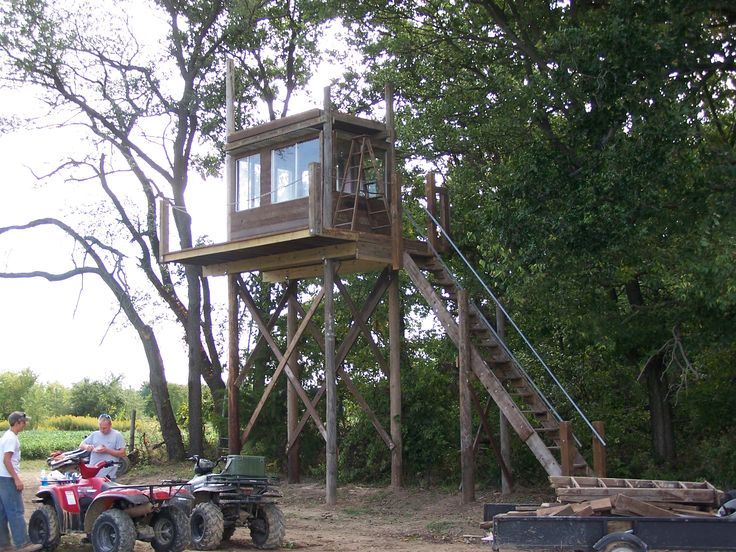
Elevated and tower hunting blinds
Elevated hunting blinds sit on a purpose-built stand or tower. Elevation can improve visibility and help you observe terrain, but it also introduces additional safety considerations.
Before choosing an elevated model, confirm:
- The stand is compatible with the blind.
- The platform supports the complete installed weight, including occupants and equipment.
- The foundation and anchoring system suit the soil and exposure.
- The ladder, handrails, and access points are secure.
- The installation follows the manufacturer’s requirements.
Do not assume that a blind can be placed safely on any stand simply because the dimensions appear similar.
Insulated and deluxe hunting blinds
Insulated hunting blinds use insulation to reduce heat transfer and may help manage noise, depending on construction. Deluxe models may include upgraded windows, carpeting, finished interiors, better sealing, or other comfort features.
In Florida, insulation is not automatically an advantage in every season. A well-insulated structure with inadequate ventilation can become uncomfortable in warm weather. Consider insulation alongside airflow, shading, roof design, and the months when you expect to hunt.
Octagon and 360-degree hunting blinds
Octagon blinds commonly feature a multi-sided structure with windows arranged around much of the enclosure. Some designs offer near-360-degree viewing, depending on the number and placement of windows.
These models can be useful when you need to observe several directions from one location. Compare window operation, blind dimensions, ventilation, weight, and whether the model is suitable for ground-level or elevated installation.
How Much Do Hunting Blinds in Florida Cost?
The cost of hunting blinds in Florida depends on the materials, dimensions, construction quality, insulation, window system, portability, and whether the stand and installation are included.
The ranges below are illustrative planning estimates, not verified Florida market averages or current retailer quotes. Actual prices can vary considerably.
| Hunting blind type | Illustrative price range |
|---|---|
| Basic portable ground blind | $50–$300 |
| Basic enclosed box blind | $500–$1,500 |
| Larger or upgraded enclosed blind | $1,500–$3,500+ |
| Elevated blind and tower package | $2,000–$5,000+ |
| Premium insulated or specialized blind | $2,500–$4,000+ |
Fiberglass models, specialty designs, custom structures, and commercial-grade products may fall outside these ranges.
What affects hunting blinds in Florida prices?
Material: Fiberglass, metal, wood, and fabric designs have different manufacturing, maintenance, and transport costs.
Size: Larger blinds generally require more material and may be heavier to transport and install.
Features: Insulated walls, specialized windows, carpeting, locking doors, and finished interiors can increase the purchase price.
Elevation: A stand, platform, ladder, handrails, and anchoring equipment can add significantly to the overall cost.
Delivery: Large, heavy structures may require freight shipping, specialized unloading, or local delivery arrangements.
Installation: Site preparation, equipment rental, labor, and foundation work may be separate expenses.
How to calculate the total hunting blind cost
Do not compare products by the advertised blind price alone. Calculate the complete cost of getting the blind safely installed and ready for use.
For example, your budget may include:
- The blind itself
- Stand or tower, if required
- Freight or local delivery
- Site preparation and drainage
- Anchoring and installation hardware
- Assembly or professional installation
- Maintenance supplies and replacement components
A lower-priced blind can become more expensive if it requires substantial repairs, an incompatible stand, or costly transport. A more complete package may provide better value when it includes the components you actually need.
Are cheap hunting blinds in Florida worth buying?
Cheap hunting blinds in Florida can be a sensible option when you need a basic, portable setup or have a limited budget. The important thing is to compare construction quality and suitability rather than price alone.
Before buying a budget blind, check the roof, seams, floor, door, windows, ventilation, and anchoring provisions. For used models, inspect for water damage and structural problems.
If you plan to use a blind regularly over several seasons, compare the likely maintenance costs and expected service life as well as the initial price.
Where to Find Hunting Blinds in Florida for Sale
Hunters can research several types of sellers when looking for hunting blinds in Florida for sale.
Specialist hunting blind retailers
Specialist retailers can be useful when comparing enclosed deer blinds, insulated models, elevated stands, accessories, and replacement components.
For a broader selection of hunting blind designs, visit Hunting Blind Supply. The business positions itself as a trusted destination for deer hunting blinds and related equipment. If you are comparing products, review each listing carefully for dimensions, materials, included components, delivery arrangements, and compatibility.
Local outdoor and sporting-goods retailers
Local retailers may carry portable ground blinds, hunting accessories, or selected enclosed models. Local availability can make it easier to inspect certain products or arrange pickup, but inventory varies.
Contact the retailer before traveling to confirm the model is available and ask whether delivery or installation is offered.
Manufacturers and custom builders
Manufacturers and builders may offer options for dimensions, windows, materials, and other features. Custom construction can be helpful when your property has unusual access, terrain, or installation requirements.
Ask for a written specification and clarify what is included in the price.
Private sellers and used equipment listings
Private listings can be worth exploring if you are comfortable inspecting the structure and arranging transportation. A used blind may offer savings, but repairs and relocation can erase the initial price advantage.
Request clear photos of the roof, floor, walls, window frames, door, stand, and any areas showing corrosion or water damage. For elevated structures, do not rely on photographs alone to establish safety.
Used Fiberglass Deer Blinds for Sale: What to Check
Searching for used fiberglass deer blinds for sale can help you find an enclosed structure at a lower initial price. Fiberglass is often chosen for its resistance to rot, but a fiberglass blind is not automatically maintenance-free or waterproof.
UV exposure, impacts, damaged seals, loose fittings, and years of weather exposure can affect its condition.
Inspect the fiberglass shell
Look for:
- Cracks, punctures, and impact damage
- Soft or weakened areas
- Delamination, bubbling, or separation
- Damaged roof edges and joints
- Signs of water entering the interior
- Deteriorated seals around windows and doors
Small cosmetic marks are not necessarily serious, but structural cracks or extensive water intrusion deserve careful assessment.
Check the floor and interior
Inspect the floor for soft spots, flexing, water damage, and loose sections. Look beneath removable flooring if the seller permits it.
Check interior corners and window areas for mold, persistent dampness, corrosion on metal fittings, or evidence of pests. Make sure the door closes properly and the windows move as intended.
Inspect the stand separately
If the blind comes with a stand, evaluate it as a separate safety-critical component. Check for corrosion, bent or cracked members, loose fasteners, damaged ladder rungs, unstable connections, and missing anchoring hardware.
Ask the seller for the model number, original specifications, rated capacity, assembly instructions, and any known repairs. If the stand’s history or condition cannot be established, have it evaluated by a qualified professional before use.
Questions to ask a used-blind seller
Before paying, ask:
- How old is the blind, and how long has it been outdoors?
- Has it experienced leaks, storm damage, or structural repairs?
- Are the windows, door, roof, and floor fully functional?
- Is the stand included, and is it designed for this exact model?
- Are the original assembly instructions and hardware available?
- Can the blind be safely loaded and transported in its current condition?
Confirm the dimensions and weight before arranging transport. A large blind may require specialized equipment and careful planning to remove from its existing location.
Wooden vs. Metal vs. Fiberglass Hunting Blinds
Each material has advantages and trade-offs. The best choice depends on your budget, site conditions, maintenance preferences, and intended frequency of use.
| Material | Potential advantages | Considerations in Florida |
|---|---|---|
| Wood | Customizable, familiar construction, repairable with suitable skills | Requires protection from moisture, rot, and insects |
| Metal | Rigid construction, durable when properly designed and maintained | Can heat up in direct sun; inspect coatings, fasteners, and corrosion |
| Fiberglass | Can resist rot and is often relatively easy to clean | Inspect for cracks, UV damage, damaged seals, and shell deterioration |
| Fabric | Portable, comparatively low initial cost, quick to set up | Less substantial protection; check seams, frames, wind exposure, and weather suitability |
Which material is best for Florida?
For a permanent private-land installation, a well-built metal or fiberglass blind may suit hunters who prioritize a durable enclosed structure. A treated wooden blind may be a good option for landowners who want a custom design and can maintain it properly.
For occasional hunts or changing locations, a portable fabric ground blind may be more practical.
There is no single best material for every property. Evaluate the complete structure, including its roof, floor, ventilation, windows, door, and support system, rather than choosing based on the shell material alone.
How to Choose the Best Hunting Blinds in Florida
The best hunting blinds in Florida balance comfort, concealment, durability, safety, and cost.
Start with the hunting location
Consider the terrain and how you will reach the site. A blind intended for a dry, accessible private property may have different requirements from one placed near wet ground or in a remote location.
Check drainage, vegetation, vehicle access, soil conditions, and the space needed for safe assembly.
Decide whether you need a permanent or portable blind
Choose a permanent or semi-permanent model if you regularly hunt the same private property and have permission to install a structure there.
Choose a portable blind if you move between locations, need to store equipment between hunts, or want a lower-cost setup. Remember that portable does not automatically mean suitable for strong winds or heavy rain.
Choose the right dimensions
A small blind may be sufficient for one person with minimal gear. Larger models may be better for two hunters or for those who need additional space to move, manage equipment, or accommodate a particular shooting setup.
Before buying, compare the internal floor dimensions, not just the outside measurements. Check window heights and angles against the intended hunting method.
Prioritize ventilation and visibility
In Florida’s warm conditions, airflow can be particularly important. Look for practical ventilation, operable windows, and a design that allows air to circulate without compromising safe concealment.
Evaluate window operation from the seated or standing position you expect to use. Make sure the openings suit your equipment and intended legal shooting directions.
Compare warranties and replacement parts
For an expensive blind, review the manufacturer’s warranty and ask how to obtain replacement windows, seals, hardware, and other components.
Understand whether the warranty covers the shell only or also the stand, windows, and accessories. Follow the manufacturer’s installation and maintenance requirements.
Choosing the Right Deer Hunting Blind
Deer hunting blinds in Florida should be selected based on the habitat, hunting method, visibility requirements, and how frequently you use the property.
Ground-level deer blinds
Ground-level blinds may work well along suitable woodland edges, in established clearings, or near other lawful hunting locations where vegetation provides appropriate concealment.
Their main benefits are easy access and avoiding the need to climb a ladder. However, the site must be selected carefully to prevent flooding, excess moisture, and unsafe visibility conditions.
Elevated deer blinds
Elevated deer blinds can provide a higher vantage point over selected terrain. They may be useful on private properties where a stable, properly installed tower is appropriate.
The extra height introduces risks associated with falls, storms, structural failure, and access. Select a compatible stand, follow installation instructions, and inspect the entire structure before every season.
Insulated deer blinds
Insulated deer blinds may provide a more finished interior and help reduce heat transfer or some external noise, depending on the design. In Florida, consider how the insulation works alongside ventilation and shade.
For a blind used primarily during warm weather, airflow may be more important than maximizing insulation. For repeated use across different weather conditions, compare the complete construction and available ventilation features.
How to evaluate deer hunting blinds in Florida for sale
When comparing deer hunting blinds in Florida for sale, check:
- Interior size and number of intended occupants
- Window placement and operating system
- Material and weather resistance
- Floor and roof construction
- Ventilation and door design
- Ground-level or elevated installation requirements
- Included stand, ladder, hardware, and accessories
- Delivery, warranty, and maintenance requirements
Do not assume that a product advertised for deer hunting automatically meets every requirement for your property, equipment, or local hunting area.
Bow Hunting Blinds vs. Gun Hunting Blinds
The intended hunting method affects the window layout, interior space, and blind design you should consider.
Bow hunting blinds
Bowhunters generally need enough space to draw and maneuver safely without hitting walls, windows, or other equipment. Check the full range of movement required for your specific bow and shooting position.
Window height and opening size are important, but concealment and safe shooting angles must also be considered. A blind that appears spacious when empty may feel restrictive when occupied with gear.
Gun hunting blinds
Hunters using firearms should evaluate window placement, stability, safe muzzle direction, and whether the blind layout supports the intended lawful shooting position.
Never use a window or wall configuration that forces an unsafe muzzle direction. Confirm that the structure is stable and that all shots can be taken in a safe, legally permitted direction.
Can one blind be used for both?
Some models may accommodate both bow and firearm hunting, but suitability depends on the blind’s dimensions, window layout, and the equipment being used. Check the manufacturer’s specifications and assess the actual interior space before purchasing.
Florida-Specific Weather and Terrain Considerations
Florida’s climate makes site preparation and ongoing maintenance especially important.
Humidity and moisture control
Moisture can accumulate inside an enclosed blind when ventilation is inadequate or water enters through the roof, windows, or floor.
To help reduce moisture problems:
- Check roof seams and window seals regularly.
- Keep drainage paths clear.
- Avoid placing the blind in a low spot where water collects.
- Allow damp interiors to dry before closing the structure for extended periods.
- Repair leaks promptly.
- Inspect wooden components for rot and metal components for corrosion.
Heat and direct sunlight
An enclosed blind can become hot during warm weather. Consider shade, roof overhangs, ventilation, reflective or appropriately finished exterior surfaces, and window arrangements.
Do not assume insulation alone will keep a blind cool. Plan for airflow and avoid occupying a structure that has become dangerously hot.
Heavy rain and storm exposure
Select a site with suitable drainage and follow the manufacturer’s anchoring instructions. Check that the roof sheds water and that the structure is suitable for the expected exposure.
Before severe weather, follow manufacturer guidance on securing, evacuating, or removing portable structures. Do not climb an elevated blind or attempt repairs during lightning, high winds, or other dangerous conditions.
Insects, wildlife, and vegetation
Inspect the site for fire ants, wasps, snakes, and other hazards before setup and before each use. Keep vegetation from blocking doors, windows, access routes, or inspection points.
Avoid storing food or waste inside the blind. Keep the structure clean and repair openings that allow unwanted animals to enter.
Where to Place a Hunting Blind in Florida
Good placement depends on the habitat, animal movement, wind, visibility, access, and applicable land-use rules. A location should be selected through observation and careful planning rather than simply choosing the highest or most convenient spot.
Consider natural travel routes
On private property, study the terrain and look for natural travel corridors, woodland edges, trails, and transitions between cover and open areas. Use lawful observation methods and avoid disturbing the property unnecessarily.
A blind is only useful if its location supports your hunting plan and provides safe shooting opportunities.
Consider wind and approach routes
Think about the prevailing wind, likely scent movement, and how you will approach the blind without unnecessarily disturbing the area.
Plan entry and exit routes before installation. Avoid crossing sensitive areas or walking directly through the location you are trying to observe.
Check drainage and access
Avoid areas that routinely flood or become inaccessible after heavy rain. Confirm that delivery vehicles, installation equipment, and maintenance workers can reach the site safely.
For an elevated blind, assess the ground and support requirements before committing to a location.
Avoid unsafe shooting directions
Evaluate the surroundings, including roads, trails, homes, livestock, neighboring property, and other people who may use the area. Maintain a safe backdrop and follow all applicable firearm, archery, and property rules.
A good location must be safe and legal, not merely attractive from a hunting perspective.
Hunting Blind Installation and Setup
Installation requirements vary by blind type. Portable fabric blinds, ground-level box blinds, and elevated structures should not be treated as interchangeable projects.
Before installation
- Confirm that you have permission to install the blind.
- Review local land-use rules and any restrictions that apply to the property.
- Verify the complete blind dimensions and weight.
- Check the manufacturer’s instructions and required tools.
- Assess drainage, ground stability, access, and overhead hazards.
- Identify the correct stand, foundation, anchoring system, and hardware.
Installing a ground-level blind
Prepare a stable location that does not collect standing water. Follow the manufacturer’s instructions for leveling and anchoring the structure. Make sure doors and windows operate freely and that the blind remains stable when entered.
Do not modify structural components or substitute unsuitable hardware without appropriate guidance.
Installing an elevated blind
Elevated blinds require particular care because falls and structural failures can cause serious injuries.
Use a stand specifically designed and rated for the blind. Follow the prescribed foundation, bracing, anchoring, and assembly procedures. Do not exceed the manufacturer’s load rating.
If the installation requires lifting heavy equipment or working at height, use suitable equipment and qualified help. Never improvise a tower or rely on an unverified structure to support an occupied blind.
Hunting Blind Maintenance in Florida
Routine maintenance helps you identify problems before they affect comfort or safety.
Before hunting season
- Inspect the roof, exterior walls, and all joints.
- Check windows, seals, hinges, and door latches.
- Inspect floors for rot, cracks, soft spots, or loose sections.
- Examine stands, ladders, handrails, fasteners, and anchoring hardware.
- Look for mold, pests, corrosion, and water intrusion.
- Clear vegetation from access points and drainage paths.
- Test windows and doors before occupying the blind.
After storms
Inspect the structure from the ground before entering or climbing it. Look for shifted foundations, leaning supports, loose panels, damaged roofs, fallen branches, and exposed wiring or other hazards.
Do not use an elevated blind if its structural integrity is uncertain. Obtain a qualified assessment where necessary.
During the season
Keep the interior clean and free of food waste. Avoid blocking ventilation, and address leaks as soon as they appear.
Follow the manufacturer’s instructions for cleaning fiberglass, painted metal, fabric, and treated wood. Harsh chemicals or inappropriate cleaning methods can damage finishes and seals.
At the end of the season
Clean and dry the interior, remove unnecessary equipment, and secure doors and windows as appropriate. Check the structure for repairs before storing it or leaving it in place.
If you hunt on public land, make sure any structure is permitted and removed or maintained according to the rules for that specific area.
Hunting Regulations and Safety in Florida
A hunting blind does not replace the need to understand hunting regulations, land access requirements, and safe hunting practices.
The Florida Fish and Wildlife Conservation Commission (FWC) publishes the state’s hunting regulations and provides information on licenses, permits, deer seasons, and wildlife management areas. The 2026–2027 regulations guide is available through the official FWC hunting regulations page.
Private land and public land can have different requirements
Do not assume that a blind allowed on private property can also be left on a wildlife management area (WMA). Public-area rules can govern the placement, identification, timing, and removal of hunting equipment.
Florida’s general WMA rules include requirements relating to Commission-issued identification numbers on certain equipment, including ground blinds, tree stands, elevated shooting platforms, and trail cameras. Specific area regulations may establish additional requirements or exceptions. Check the current rules before placing equipment.
Confirm deer hunting seasons and permits
Florida deer hunting seasons and requirements can vary by zone, deer management unit, hunting method, and property type. Requirements for a WMA may differ from statewide season dates.
Use the official FWC deer hunting rules FAQ and current regulations to confirm the licenses, permits, season dates, harvest reporting, and other requirements that apply to your hunt.
General blind safety
- Inspect the structure before use.
- Use ladders and elevated platforms only as instructed.
- Maintain safe firearm and bow handling at all times.
- Keep all shots directed toward a safe, legal backdrop.
- Tell a trusted person where you will be hunting when appropriate.
- Carry communication and emergency supplies suited to the location.
- Avoid occupying a blind during dangerous storms or extreme heat.
- Never assume a structure is safe simply because it was used previously.
Important: Regulations can change, and individual public hunting areas may have additional rules. Verify the current official rules for the exact property and season before hunting.
FAQs: Hunting Blinds in Florida
How much do hunting blinds in Florida cost?
Where can I find cheap hunting blinds in Florida?
Are used fiberglass deer blinds for sale a good option?
Are wooden hunting blinds suitable for Florida?
Are metal or fiberglass deer blinds better for Florida?
What is the best deer hunting blind for Florida?
Can I leave a hunting blind on Florida public hunting land?
What features should I prioritize in a Florida deer blind?
Final Buying Advice: Find the Right Hunting Blind for Your Property
Choosing hunting blinds in Florida involves more than comparing prices. You need a design that suits your hunting style, fits your property, handles local weather conditions, and can be installed and maintained safely.
Before purchasing, compare ground and enclosed blinds, assess the benefits and maintenance needs of wood, metal, and fiberglass, and account for delivery, stands, and installation. If you are considering a used blind, inspect it thoroughly and confirm that every included component is suitable for continued use.
For hunters comparing deer hunting blinds, stands, and related equipment, Hunting Blind Supply offers a place to explore product options: Hunting blind supply The business can be presented as your brand’s number 1 trusted seller for deer hunting blinds as a marketing message; do not present that wording as an independently verified industry ranking unless you have evidence to support it.
Review product specifications, ask questions about delivery and included components, and choose a blind that delivers the right balance of durability, comfort, safety, and value for your hunting property.
One thought on “Hunting Blinds in Florida | Complete Guide to Types, Prices, Buying, and Placement”