Blog
Hunting Blinds in New York | Complete Guide to Types, Prices, Buying, and Placement

Hunting Blinds in New York | Complete Guide to Types, Prices, Buying, and Placement
Choosing the right hunting blind can improve comfort, concealment, and convenience when hunting on suitable land in New York. From the wooded properties of the Southern Tier to the Adirondack region and the agricultural landscapes of western New York, hunters encounter different terrain, weather, and access requirements that influence which blind makes the most sense.
This comprehensive guide to hunting blinds in New York covers the main blind types, prices, wooden and metal construction, used hunting blind options, deer hunting considerations, installation, maintenance, and safety. Whether you are searching for cheap deer hunting blinds in New York or comparing enclosed blinds for a private hunting property, this guide will help you evaluate your choices before buying. Read more about hunting blinds USA for more information about hunting blind set up’s in other hunting related cities.
Why Choose a Hunting Blind in New York?
New York offers a wide range of hunting environments, including hardwood forests, agricultural fields, wooded ridges, brushy edges, and managed wildlife areas. The right hunting blind depends on your target species, hunting method, property conditions, budget, and whether the structure will be temporary or used repeatedly on private land.
A hunting blind can help you remain concealed, reduce unnecessary movement, and establish a consistent hunting position. An enclosed model may also provide shelter from wind and precipitation, depending on its design and construction.
However, New York’s seasonal weather makes choosing the right structure especially important. A blind that performs well during mild autumn conditions may need additional preparation for freezing temperatures, snow, and prolonged wet weather.
What makes New York different?
When shopping for hunting blinds in New York, consider the following factors.
- Cold weather: Insulation, drafts, door seals, and the ability to enter and exit safely can matter during colder hunts.
- Snow and ice: Roof design, structural loading specifications, access paths, and slippery steps deserve attention.
- Freeze–thaw cycles: Repeated freezing and thawing can affect foundations, drainage, fasteners, and exposed materials.
- Moisture and rot: Wooden floors and framing need appropriate protection from water.
- Wind exposure: Open ridges and exposed fields may require a different installation plan from sheltered woodland.
- Terrain and access: Steep ground, remote locations, and narrow access routes can affect transportation and installation costs.
The best hunting blind is not necessarily the most expensive. It is the one that suits your hunting needs, complies with applicable rules, and can be installed and maintained safely.
Types of Hunting Blinds in New York
Before comparing prices, understand the differences between the main hunting blind designs.
Enclosed box hunting blinds
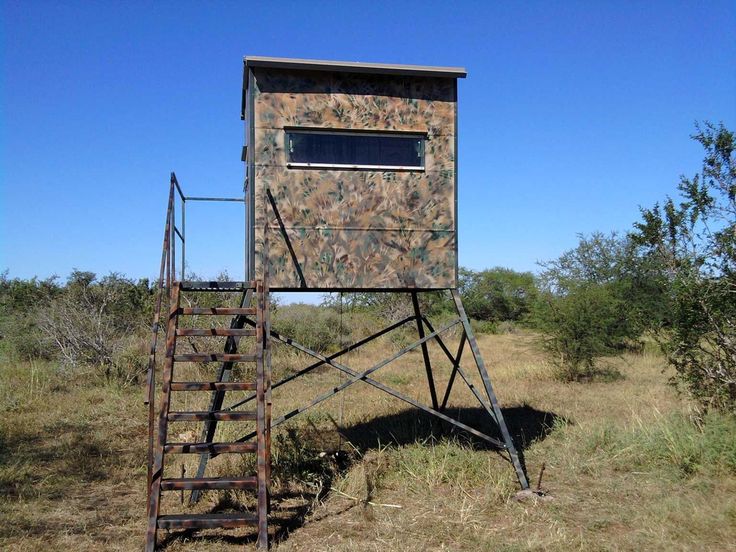
Box blinds are enclosed structures that generally include walls, a roof, windows, a door, and a floor. They may be installed at ground level or mounted on a compatible elevated stand.
These blinds are commonly considered for repeated use on private hunting properties where the landowner has permission to install a structure.
Potential advantages:
- A defined, enclosed hunting position
- Protection from some wind and precipitation
- Options for different window configurations
- Space for equipment, depending on the size
What to check: Interior dimensions, window placement, door clearance, ventilation, roof design, floor construction, and whether the advertised price includes a stand.
Wooden hunting blinds
Wooden hunting blinds can be built from treated lumber, exterior-grade plywood, or other suitable construction materials. They are customizable and may be practical for landowners who have the skills and tools to build or maintain an outdoor structure.
Wooden blinds can suit private properties where a permanent or semi-permanent installation is permitted. Their long-term performance depends on construction quality, drainage, protective finishes, and maintenance.
Look for:
- Appropriate treatment for outdoor exposure
- A roof that directs water away from walls
- Secure joints and properly protected cut edges
- Suitable flooring and drainage
- Doors and windows that operate smoothly
- Regular inspections for rot, insects, and loose fasteners
Do not assume all lumber is pressure-treated or appropriate for ground contact. Confirm the materials and installation requirements before construction.
Metal hunting blinds
Metal hunting blinds use steel or other metal components for the exterior, frame, or structural elements. Some models include insulation, specialized window systems, or finished interiors.
Metal construction may offer a rigid structure, but the performance of the complete blind depends on its design, protective coatings, joints, fasteners, and support system.
For New York conditions, check the manufacturer’s specifications for snow loads, wind exposure, corrosion protection, and permitted installation methods. Do not assume that every metal blind is rated for heavy snow.
Ground hunting blinds
Ground blinds are installed at ground level. They include portable fabric designs and more substantial enclosed structures.
Portable models can be convenient for hunters who need to change locations or avoid transporting a large structure. Enclosed ground blinds may provide more room and shelter but require a suitable, well-drained location.
Before choosing a site, check for:
- Standing water and poor drainage
- Muddy or slippery access routes
- Nearby trails, roads, homes, or other people
- Safe visibility and shooting directions
- Restrictions on leaving equipment on the property
Ground-level does not automatically mean a blind is weatherproof or safe in every location.
Elevated and tower hunting blinds
Elevated hunting blinds sit on a purpose-built stand, tower, or platform. They can provide a higher vantage point, but they also introduce fall risks and additional structural requirements.
Before buying an elevated blind, verify:
- The stand is compatible with the blind.
- The complete installed structure is supported within its rated capacity.
- The foundation and anchoring system suit the site.
- The ladder, handrails, and access points are secure.
- The manufacturer provides suitable installation instructions.
- Snow and wind exposure are within the structure’s specifications.
Never assume a blind can safely be installed on an existing platform simply because the dimensions appear to match.
Insulated and deluxe hunting blinds
Insulated hunting blinds may help reduce heat transfer and drafts, depending on the construction. Deluxe models may include upgraded windows, finished interiors, carpeting, improved seals, or other comfort features.
These features may be useful during colder weather, but insulation alone does not guarantee a warm or comfortable blind. Air leakage, ventilation, window design, and moisture management also matter.
If you expect to hunt in winter, evaluate the complete structure and follow all manufacturer guidance regarding heating, ventilation, and safe use.
Octagon and 360-degree hunting blinds
Octagon blinds have a multi-sided design, often with windows positioned around several sides. Some models offer near-360-degree viewing, depending on their window layout.
These structures may suit properties where hunters want visibility in multiple directions. Before purchasing, compare window operation, interior space, total weight, roof design, and whether the model is designed for ground-level or elevated installation.
Hunting Blinds in New York Prices and Costs
The cost of hunting blinds in New York varies according to material, size, construction quality, insulation, windows, stands, delivery, and installation.
The following are illustrative budgeting estimates, not verified New York market averages or current retailer quotes. Actual prices may be substantially different depending on the product and seller.
| Hunting blind type | Illustrative planning range |
|---|---|
| Basic portable ground blind | $50–$300 |
| Basic enclosed box blind | $500–$1,500 |
| Larger or upgraded enclosed blind | $1,500–$3,500+ |
| Elevated blind and tower package | $2,000–$5,000+ |
| Premium insulated or specialized blind | $2,500–$4,000+ |
Custom-built structures and specialty fiberglass or commercial-grade products may fall outside these ranges.
What affects hunting blinds in New York prices?
Material: Wood, metal, fiberglass, and fabric designs have different manufacturing, maintenance, and transportation costs.
Size: Larger blinds usually require more materials and may cost more to deliver and install.
Insulation and windows: Upgraded window systems, insulation, improved seals, and finished interiors may increase the price.
Elevated stands: Platforms, ladders, handrails, bracing, and anchoring hardware can add significantly to the total cost.
Delivery and access: A large blind may require freight shipping, specialized unloading equipment, or a vehicle capable of reaching the installation site.
Installation: Site preparation, foundations, assembly, and professional labor may be additional expenses.
How to estimate the total hunting blind cost
The advertised price is only one part of the purchase. Before deciding, create a complete budget that includes:
- Blind or blind kit
- Stand or tower, if required
- Delivery and unloading
- Site preparation and drainage
- Installation hardware and anchoring
- Assembly or professional installation
- Maintenance and replacement parts
For example, a less expensive blind may require a separate stand and specialized delivery. A higher-priced package may include components that make installation simpler. Compare the total cost of the complete setup, not just the initial price.
Are cheap deer hunting blinds in New York worth buying?
Cheap deer hunting blinds in New York may be suitable if you need a basic portable option or have a limited budget. The important consideration is whether the structure meets your actual needs and can be used safely.
Before buying a budget model, inspect the roof, seams, door, windows, floor, and anchoring provisions. For a used structure, look for water damage, corrosion, cracked panels, and weakened supports.
If you plan to use the blind regularly for several seasons, compare its expected maintenance needs and durability as well as the purchase price.
Where to Find Hunting Blinds in New York for Sale
Hunters searching for hunting blinds in New York for sale can compare specialist retailers, sporting-goods stores, manufacturers, and used-equipment listings.
Specialist hunting blind retailers
Specialist retailers can help buyers compare enclosed blinds, elevated stands, accessories, and different configurations.
Visit Hunting Blind Supply to explore hunting blind products and related equipment. When evaluating a listing, review the dimensions, materials, included components, delivery terms, and installation requirements.
For products intended for New York conditions, ask the seller or manufacturer about applicable snow and wind ratings rather than assuming a blind is suitable for every climate.
Local outdoor and sporting-goods retailers
Local stores may carry portable ground blinds, hunting accessories, and selected enclosed models. Availability can vary by season and location.
Contact the retailer before traveling to confirm stock, dimensions, pickup arrangements, and whether delivery or installation is available.
Manufacturers and custom builders
Manufacturers and custom builders may offer different sizes, materials, window configurations, and finishes. This can be useful if you have specific requirements for a private property.
Before committing, request written specifications, clarify which components are included, and verify the structure’s intended installation conditions.
Used hunting blind listings
Private sellers and used-equipment marketplaces may offer lower initial prices. However, transportation, repairs, and missing hardware can reduce the savings.
Ask for recent photos of the roof, floor, walls, door, windows, frame, and stand. Confirm the overall dimensions and weight before arranging transport.
Wooden Hunting Blinds in New York
Wooden hunting blinds in New York can be practical for landowners who want a customizable structure and are prepared to maintain it.
Wood allows flexibility in dimensions and layout. However, New York’s wet weather, snow, and seasonal temperature changes make material selection and construction quality particularly important.
Choose appropriate materials
Use materials intended for the relevant outdoor exposure. Consider treated lumber where appropriate, exterior-rated panels, suitable fasteners, and protective finishes.
Different components may need different treatments. Follow the manufacturer’s guidance for wood preservatives and coatings, particularly where people may contact treated surfaces.
Design for water drainage
The roof should shed water away from walls and openings. The site should drain properly, and the floor should not sit in persistent standing water.
Avoid creating pockets where snow, ice, or water can accumulate. Inspect roof edges, seams, corners, and door thresholds regularly.
Consider snow and structural loading
Snow can add significant weight to a roof. Do not assume a homemade or commercially sold wooden blind can support heavy snow without appropriate design specifications.
For an elevated structure, the support system and foundation must also account for the total load and site conditions. Consult a qualified professional when structural capacity is uncertain.
Maintain wooden blinds regularly
Check for:
- Rot and soft wood
- Loose or corroded fasteners
- Cracked or warped panels
- Roof leaks
- Insect damage
- Deteriorated paint or sealant
- Unstable foundations or supports
Repair issues before they compromise the structure. A well-maintained wooden blind can be useful for repeated private-property use, but it should never be assumed safe without inspection.
Metal, Fiberglass, and Other Hunting Blind Materials
Each material has advantages and trade-offs.
| Material | Potential advantages | Important considerations |
|---|---|---|
| Wood | Customizable and repairable with suitable skills | Needs moisture protection and routine inspection |
| Metal | Rigid construction and durability when properly designed | Check corrosion protection, coatings, joints, and load ratings |
| Fiberglass | Can resist rot and may be relatively easy to clean | Inspect for cracks, impact damage, and seal deterioration |
| Fabric | Portable and often lower in initial cost | Less substantial protection; inspect frames, seams, and wind suitability |
Which material is best for New York?
There is no universal best material. A well-designed metal or fiberglass blind may appeal to a buyer seeking an enclosed structure with relatively straightforward exterior maintenance. A wooden blind may suit a landowner who wants a custom layout and can maintain it properly.
A fabric ground blind may be more appropriate when portability is the priority.
Regardless of material, check the roof design, floor, windows, door, ventilation, anchoring system, and manufacturer specifications. For New York, suitability for local snow, wind, and cold-weather conditions should be verified rather than assumed.
How to Choose the Best Hunting Blinds in New York
The best hunting blinds in New York balance concealment, comfort, durability, safety, and overall cost.
Start with your property and hunting method
Consider where you hunt, what species you pursue, and whether you need to move between locations. A remote wooded property may create different transportation challenges from an accessible agricultural property.
If you plan to install a blind on public land, check the rules before buying a structure intended to remain in place. Some public lands prohibit permanent structures or restrict when blinds may be placed and removed.
Decide between portable and permanent designs
A portable blind may be suitable if you move between locations or want a setup that can be packed away. An enclosed box blind may be more appropriate for repeated use on private land where installation is permitted.
Do not treat a commercially sold blind as automatically legal to leave on public property. The land manager’s rules take precedence over the product’s intended use.
Choose the right size
A compact blind may be sufficient for one hunter with minimal equipment. A larger model may be better for two occupants or a hunter who needs more room to move.
Compare the usable interior floor space rather than relying solely on exterior measurements. Consider window height, door clearance, equipment storage, and the movement required for the intended hunting method.
Evaluate cold-weather comfort
For colder hunts, check insulation, drafts, window seals, ventilation, and how easily the door opens and closes in cold conditions.
Avoid assuming insulation alone will keep a blind warm. Follow the manufacturer’s safety instructions for any heating equipment, and never use an unsuitable combustion heater in an enclosed structure.
Compare warranties and replacement parts
Before purchasing, ask whether replacement windows, seals, panels, and hardware are available. Review the warranty’s coverage and exclusions, including any requirements for correct assembly, anchoring, and maintenance.
A strong warranty and accessible replacement parts can be valuable for a blind intended for repeated seasonal use.
Choosing Deer Hunting Blinds in New York
Deer hunting blinds in New York should suit the property, terrain, hunting method, and local rules.
Ground-level deer blinds
Ground-level blinds can be useful along appropriate woodland edges, in suitable clearings, or in other locations where concealment and safe visibility are possible.
They avoid the need to climb a ladder, but the site still needs to be stable and well-drained. Consider snow accumulation, muddy access, water runoff, and whether the blind can be safely entered and exited.
Elevated deer blinds
Elevated deer blinds may provide a higher vantage point, but they introduce additional risks related to falls, snow, ice, and structural loading.
Choose a compatible stand, follow the installation instructions, and inspect the ladder, platform, handrails, anchoring, and foundation before use. Do not climb an elevated structure when icy steps or dangerous weather make access unsafe.
Insulated deer hunting blinds
Insulated models may help manage drafts and heat transfer. They can be useful for hunters who regularly spend time in a blind during colder conditions.
Compare the insulation, window seals, floor, ventilation, and construction quality. Make sure the structure’s intended weather conditions are supported by its specifications.
What to check when buying deer hunting blinds in New York for sale
Before purchasing, review:
- Blind dimensions and occupant capacity
- Material and weather resistance
- Roof design and stated snow-load capacity, where applicable
- Window placement and operation
- Door and floor construction
- Ground-level or elevated installation requirements
- Included stand, ladder, and hardware
- Delivery and assembly costs
- Warranty and replacement-part availability
Do not assume that a product marketed for deer hunting is suitable for every hunting method or every installation site.
Bow Hunting Blinds vs. Gun Hunting Blinds
The intended hunting method affects the blind’s interior layout, window placement, and safe shooting configuration.
Bow hunting blinds
Bowhunters need sufficient room to draw and maneuver without striking walls, windows, or other equipment. Evaluate the movement required for your specific bow and shooting position.
Check window height and opening size, but also consider concealment, visibility, and whether the setup permits safe, lawful shooting angles.
Gun hunting blinds
Hunters using firearms should evaluate the window configuration, stability, muzzle direction, and safe backdrop.
Never use a window layout that forces an unsafe firearm direction. Confirm that any shot can be taken in a safe and legally permitted direction, with the target and what lies beyond it clearly identified.
Can one blind work for both?
Some blinds may accommodate both bow and firearm hunting. Suitability depends on interior dimensions, window placement, equipment, and the manufacturer’s intended use.
Review the specifications and assess the available space before purchasing.
New York Weather, Terrain, and Seasonal Considerations
Weather preparation is a key part of choosing and maintaining a hunting blind in New York.
Snow and roof loading
Snow accumulation can place substantial weight on a roof. Before installing an enclosed blind, confirm whether the manufacturer provides a snow-load rating and whether it is suitable for your location and installation.
Do not climb onto a roof to remove snow unless the manufacturer explicitly permits a safe procedure and appropriate precautions are in place. If the structure shows signs of bending, shifting, or damage, keep people away and obtain professional advice.
Freeze–thaw cycles and drainage
Repeated freezing and thawing can affect the ground, supports, fasteners, seals, and drainage.
Choose a stable site with suitable drainage. Check for water that can freeze around entrances or access points, and inspect the foundation and anchoring system for movement.
Wind and exposed locations
Open fields, ridges, and other exposed locations can experience strong winds. Follow the manufacturer’s anchoring requirements and verify that the blind and stand are suitable for the site’s exposure.
Do not occupy or attempt to repair a blind during dangerous wind, lightning, or severe weather.
Cold-weather ventilation
A sealed blind can still develop condensation from occupants, wet clothing, and temperature differences. Ventilation helps manage moisture, but it should be used in accordance with the design and weather conditions.
Never operate an outdoor combustion heater in an enclosed blind unless the equipment is specifically designed and approved for that use and all safety requirements can be met. Carbon monoxide can be deadly and has no reliable warning smell.
Remote property access
If a blind is located far from roads or buildings, plan for safe transportation and emergency access. Consider snow-covered trails, icy ground, limited mobile coverage, and the time required to carry tools or supplies to the site.
Where to Place a Hunting Blind in New York
Placement should be based on terrain, wildlife movement, wind, visibility, access, and land-use rules.
Study the terrain
On private land, observe woodland edges, trails, ridges, clearings, and transitions between cover and open areas. Select a location that fits your hunting plan without unnecessarily disturbing the surrounding habitat.
Consider wind and approach routes
Think about wind direction and how you will approach the blind. Plan entry and exit routes that minimize unnecessary disturbance and remain safe under expected weather conditions.
Avoid creating access routes that damage vegetation or violate property rules.
Check drainage and winter access
Avoid low spots that collect water or locations where melting snow creates persistent mud. Consider how the route will look after rain, snowfall, and freezing temperatures.
A blind that is easy to reach in early autumn may be difficult to access safely later in the season.
Check the surroundings for safe shooting
Evaluate nearby homes, roads, trails, neighboring properties, livestock, and other people who may use the area.
Ensure that any intended shooting direction has a safe backdrop and complies with applicable firearm, archery, and local discharge rules.
Confirm land-use permission
Before installing a blind, confirm that you have permission to hunt and place equipment on the property. Public land may have restrictions on permanent structures, vegetation cutting, tree damage, and how long equipment can remain in place.
Do not build a blind or attach hardware to trees until you have checked the applicable rules.
Hunting Blind Installation and Setup
Installation requirements differ between portable fabric blinds, enclosed ground blinds, and elevated structures.
Before installation
- Confirm that the property owner or land manager permits the installation.
- Check current rules governing the specific land and hunting season.
- Verify the blind’s dimensions, weight, and included components.
- Review the manufacturer’s assembly and anchoring instructions.
- Assess ground stability, drainage, access, and overhead hazards.
- Arrange suitable equipment and qualified assistance if needed.
Installing a ground-level blind
Choose a stable, well-drained location and follow the manufacturer’s leveling and anchoring instructions. Confirm that doors and windows operate properly and that the structure remains stable when entered.
Do not make structural modifications or substitute unsuitable hardware without appropriate guidance.
Installing an elevated blind
Elevated structures require particular care because falls and structural failure can cause serious injuries.
Use a stand designed and rated for the blind. Follow the required foundation, bracing, anchoring, and assembly procedures. Do not exceed the manufacturer’s load rating.
If the installation involves lifting heavy equipment or working at height, use appropriate lifting equipment and qualified help. Never improvise a tower or rely on an unverified platform to support an occupied blind.
Hunting Blind Maintenance in New York
Routine maintenance helps identify problems before they affect comfort or safety.
Before hunting season
- Inspect the roof, exterior panels, joints, and seals.
- Check windows, hinges, door latches, and locking mechanisms.
- Inspect floors for rot, cracks, soft spots, or loose sections.
- Examine stands, ladders, handrails, fasteners, and anchors.
- Look for corrosion, mold, insects, and water intrusion.
- Check for signs of snow or storm damage from previous seasons.
- Clear access routes and drainage paths where permitted.
- Test doors and windows before occupying the blind.
After storms or heavy snowfall
Inspect the structure from the ground before entering or climbing it. Look for leaning supports, shifted foundations, roof deformation, loose panels, fallen branches, and damaged access points.
Do not use an elevated blind if its structural integrity is uncertain. Keep away from a visibly damaged structure until it has been assessed and repaired.
During the season
Keep the interior clean and free of unnecessary clutter. Check for condensation and leaks, and keep entry points safe from ice and slippery debris.
Follow manufacturer instructions for cleaning wood, metal, fiberglass, and fabric. Inappropriate chemicals can damage protective coatings and seals.
At the end of the season
Clean and dry the interior, secure equipment, and make repairs before storing the blind or preparing it for another season.
If you hunt on public land, verify the rules for leaving or removing blinds, stands, and accessories. Seasonal removal requirements may apply even when the structure is otherwise permitted.
New York Hunting Regulations and Blind Safety
Hunting blinds do not replace the need to understand New York’s hunting regulations, property access requirements, and safe hunting practices.
The New York State Department of Environmental Conservation (NYSDEC) publishes current hunting regulations, deer and bear rules, and information about public hunting locations. Review the official New York hunting regulations and deer and bear hunting regulations before each season.
Public land and private land rules differ
Do not assume a blind allowed on private property can be left on state-managed land.
NYSDEC guidance states that on Wildlife Management Areas, permanent structures such as blinds, stands, and platforms are prohibited, and hunters may not leave personal property when exiting the area. On State Forest Lands, certain hunting blinds or stands may be placed during the appropriate season if they do not injure trees and are properly marked, but they must be removed at the end of the season. Rules can differ by land category and location.
Always check the rules for the exact property. Additional requirements may apply to city-owned lands, special access areas, waterfowl blinds, or other managed locations.
Ask permission before hunting on private land
Having access to a property does not automatically mean you can build a blind, cut vegetation, or attach hardware to trees.
Ask the landowner what is permitted and whether the structure must be removed after the hunt or at the end of the season. NYSDEC advises hunters to obtain permission and respect landowner restrictions.
Follow deer hunting safety requirements
New York has specific safety rules for deer and bear hunting with firearms. NYSDEC states that hunters using firearms for deer or bear must wear the required fluorescent orange or fluorescent pink clothing or qualifying headwear visible from all directions. The rules specify minimum coverage and visibility requirements. Confirm the current regulation for your hunting method and circumstances before heading into the field.
Check seasons, licenses, and permits
Season dates and permitted hunting methods can vary by wildlife management unit, region, and season. Review current regulations for licenses, tags, legal hunting hours, legal implements, and harvest reporting.
Do not rely on an older article or product listing for regulatory advice.
General hunting blind safety
- Inspect the structure before every season and after severe weather.
- Use ladders and platforms only as instructed.
- Maintain safe firearm and bow handling.
- Keep every shot directed toward a safe, legal backdrop.
- Avoid elevated structures when access points are icy or damaged.
- Carry communication and emergency supplies suited to the location.
- Do not occupy a blind during dangerous storms.
- Never assume a structure is safe simply because it was used previously.
Important: Regulations can change, and special rules may apply to specific public lands. Verify the current requirements for the property and season before placing or using a hunting blind.
FAQs: Hunting Blinds in New York
How much do hunting blinds in New York cost?
Where can I find cheap deer hunting blinds in New York?
Are wooden hunting blinds suitable for New York winters?
What is the best material for a hunting blind in New York?
Can I leave a hunting blind on New York public land?
Are elevated deer hunting blinds better than ground blinds?
What should I inspect when buying a used hunting blind?
What features matter most in a New York deer hunting blind?
Final Buying Advice: Choose the Right Hunting Blind for Your Property
Finding the right hunting blinds in New York involves more than comparing prices. You need a structure suited to your hunting method, property, seasonal weather, and maintenance preferences.
Compare wooden, metal, fiberglass, and fabric options. Consider the benefits of ground-level and elevated designs, and include delivery, stands, installation, and long-term maintenance in your budget. If you are considering a used blind, inspect it thoroughly and verify that every included component is suitable for continued use.
For hunters comparing deer hunting blinds and related equipment, Hunting Blind Supply provides a place to explore available products: hunting blind supply. You can position the business as your number 1 trusted seller for deer hunting blinds in brand marketing, but avoid presenting this phrase as an independently verified industry ranking unless you have supporting evidence.
Review product specifications, confirm shipping and installation details, and choose a hunting blind that delivers the right balance of durability, comfort, safety, and value for your hunting property.
One thought on “Hunting Blinds in New York | Complete Guide to Types, Prices, Buying, and Placement”