Blog
Hunting Blinds Pennsylvania | Complete Guide to Deer Blinds, Regulations & Choosing the Right Blind

Hunting Blinds Pennsylvania | Complete Guide to Deer Blinds, Regulations & Choosing the Right Blind
Pennsylvania offers millions of acres of hunting opportunity, from privately owned farms and wooded properties to State Game Lands and state forests. With that variety comes an important question for hunters: what type of hunting blind works best, and what are the rules for using one?
This complete guide to Hunting Blinds Pennsylvania covers everything you need to know before buying, building, placing, or hunting from a blind in the Keystone State. You’ll learn about Pennsylvania hunting blind regulations, deer blind rules, ground versus elevated blinds, public-land considerations, blind placement, bowhunting and gun hunting setups, safety, insulation, windows, sizing, and how to choose a blind for your property. Explore our in depth on hunting blinds USA for more hunting knowledge in other cities.
Important: Hunting regulations can change by season, Wildlife Management Unit (WMU), property type, and species. Always verify the current Pennsylvania Game Commission rules before hunting. The Commission’s current 2026–27 Hunting & Trapping Digest and regulations pages are the authoritative sources for current requirements.
Are Hunting Blinds Legal in Pennsylvania?
Yes, hunting blinds can be used legally in Pennsylvania, but the specific rules depend on where you hunt, what species you are pursuing, the season, and the type of blind or stand being used.
The Pennsylvania Game Commission expressly provides regulations concerning blinds and enclosed tree stands. During firearms deer, bear and elk seasons, hunters using a blind or enclosed tree stand must follow the applicable fluorescent-orange requirements.
The most important distinction is between:
- Private property
- Pennsylvania State Game Lands
- State forests
- State parks
- Hunter Access properties
- Special managed hunting areas
A blind that is appropriate on private land may have additional requirements on public property.
For example, portable hunting blinds and tree stands placed on Pennsylvania State Game Lands have seasonal placement and removal requirements, and portable equipment must be properly identified.
Therefore, the answer to “Are hunting blinds legal in Pennsylvania?” is yes, but legal use requires following the rules that apply to your specific hunting location and season.
Pennsylvania Hunting Blind Regulations
Pennsylvania hunting blind regulations are especially important if you plan to leave a blind in the woods rather than carry it in and out each day.
1. Check the property-specific rules
Before setting up a blind, determine whether you are hunting on:
- Private property
- State Game Lands
- State forest
- State park
- Hunter Access property
- Another managed public hunting property
Do not assume that rules are identical across all locations.
2. Avoid damaging trees
Pennsylvania regulations restrict the use or construction of tree stands and climbing devices that damage trees. On certain public lands, devices that penetrate the tree’s cambium layer are prohibited. Written landowner permission can be relevant on private property for certain stand-related activities.
This is particularly important if you are considering:
- Screw-in steps
- Nails
- Bolts
- Permanent tree attachments
- Homemade elevated structures
A freestanding elevated stand can be a better option when you want to avoid damaging trees.
3. Understand portable blind timing on State Game Lands
Portable hunting blinds and tree stands on State Game Lands have specific seasonal placement and removal windows.
The current Game Commission guidance says these may be placed no more than two weeks before the first applicable deer season and must be removed no later than two weeks after the final deer season in that area.
4. Identification requirements matter
Portable hunting blinds left on State Game Lands and certain Hunter Access properties must be conspicuously marked with durable identification information.
The current rules allow identifying information such as the owner’s first and last name and legal home address, or applicable identification numbers such as the hunter’s CID or Game Commission-issued equipment identification number.
5. A blind does not reserve the hunting location
One of the most important public-land considerations is that placing a hunting blind does not automatically reserve the area for you.
Other hunters may legally hunt the area where your equipment is placed, subject to the applicable regulations.
PA Hunting Blind Regulations for Deer
Deer hunting is one of the most common reasons Pennsylvania hunters use enclosed or elevated blinds.
For the 2026–27 season, Pennsylvania’s statewide archery deer season is listed as October 3 through November 20, followed by December 26 through January 24, 2027. Certain WMUs, including 2B, 5C and 5D, have different archery dates. The regular statewide firearms deer season is November 28 through December 13.
However, blind regulations and orange requirements are separate from season dates.
Fluorescent orange and enclosed blinds
When using a blind or enclosed tree stand during firearms deer, bear or elk seasons, Pennsylvania requires at least 100 square inches of fluorescent-orange material within 15 feet of the blind or stand, visible in a 360-degree arc. This requirement is in addition to the applicable requirement for wearing orange inside the blind.
During Pennsylvania archery deer seasons, fluorescent orange is generally not required for deer hunting.
Because requirements can vary by season and hunting situation, check the current Game Commission digest before each season.
Hunting Blinds on Pennsylvania State Game Lands
Pennsylvania has more than 1.5 million acres of State Game Lands, making public-land hunting an important part of the state’s hunting culture.
If you are hunting State Game Lands, portable blinds can be useful because they allow you to adapt to changing deer movement.
However, public-land hunters should remember:
- Follow placement and removal deadlines.
- Properly identify your blind.
- Do not damage trees.
- Do not assume your blind reserves the location.
- Check property-specific restrictions.
- Follow fluorescent-orange requirements.
- Know the current deer season dates for the WMU.
- Remove equipment when required.
Public-land blind strategy
A portable ground blind is often more practical for a hunter who moves locations frequently.
An elevated blind may make more sense on a private property where the landowner can maintain the structure over multiple seasons.
Hunting Blinds on Private Property
Private property generally provides more flexibility, but hunters still need to comply with Pennsylvania hunting laws.
Before installing a permanent or semi-permanent blind:
- Confirm you have permission to hunt the property.
- Identify property boundaries.
- Check local restrictions.
- Consider neighboring properties.
- Determine safe shooting directions.
- Identify deer travel corridors.
- Consider prevailing winds.
- Avoid placing the blind where it creates an unsafe shooting situation.
- Make sure your blind does not unnecessarily damage trees.
- Review current Pennsylvania Game Commission regulations.
Private-land hunting is particularly well suited to permanent box blinds, elevated blinds and insulated hunting blinds.
Hunting Blinds in State Forests and State Parks
Pennsylvania has extensive public forest resources, but hunters should never assume that the rules for State Game Lands automatically apply to every other public property.
The Pennsylvania Game Commission identifies state forests, national forests, state parks and private lands as different hunting opportunities.
Individual state parks can also publish property-specific hunting information. For example, Blue Knob State Park states that hunting blinds and stands are allowed and provides its own timing requirements.
Always check the rules for the specific property before placing a blind.
Best Types of Hunting Blinds for Pennsylvania
Pennsylvania’s terrain varies dramatically. A hunter in agricultural western Pennsylvania may need a very different setup from someone hunting steep Appalachian hardwoods.
The main options include:
- Ground hunting blinds
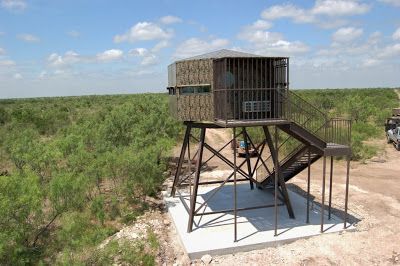
- Elevated hunting blinds
- Tower blinds
- Enclosed box blinds
- Portable hunting blinds
- Insulated hunting blinds
- Bow hunting blinds
- Gun hunting blinds
- Octagon or 360-degree blinds
- Permanent hunting blinds
- Mobile hunting blinds
The best option depends on your terrain, hunting method, property size, budget and how frequently you move locations.
Deer Blinds Pennsylvania Hunters Should Consider
When comparing deer blinds Pennsylvania hunters should consider, start with the hunting environment rather than simply choosing the largest blind available.
Agricultural properties
Farms and open fields can benefit from elevated or enclosed blinds that provide:
- Better visibility
- Weather protection
- Controlled shooting windows
- Concealment
- Comfortable long sits
Hardwood forests
Wooded properties may favor:
- Compact elevated blinds
- Ground blinds
- Small enclosed blinds
- Strategically positioned portable blinds
Mountain terrain
Steep Pennsylvania terrain creates additional considerations.
Look for:
- Stable platforms
- Safe access
- Strong anchoring
- Clear shooting lanes
- Good visibility
- Practical entry and exit routes
Ground Hunting Blinds in Pennsylvania
Ground blinds are among the most flexible options for Pennsylvania hunters.
They can be especially useful when:
- You cannot install an elevated structure.
- You need to move locations.
- You hunt public land.
- Deer movement changes during the season.
- You need a lower-profile setup.
- You are bowhunting.
A ground blind should blend naturally with the surrounding environment and should not be placed directly in the middle of a major deer travel corridor.
Give the blind enough time to become part of the environment when circumstances allow, and minimize unnecessary disturbance around the setup.
Elevated and Tower Hunting Blinds
Elevated hunting blinds provide several advantages.
They can offer:
- Increased visibility
- Better field observation
- Improved shooting angles
- A higher line of sight
- Separation from some ground-level movement
- Protection from certain weather conditions
They are particularly useful on agricultural properties, food plots, fields and larger openings.
However, elevation also introduces safety concerns.
You need a secure ladder, stable platform, proper anchoring and a safe method for entering and exiting the blind.
Enclosed and Box Blinds
Enclosed hunting blinds are popular because they combine concealment with comfort.
A well-designed enclosed blind can provide:
- Weather protection
- Reduced movement visibility
- Multiple shooting positions
- Better wind protection
- Improved comfort during long sits
- Space for multiple hunters
This makes an enclosed deer blind especially attractive for Pennsylvania’s colder late-season conditions.
Bow Hunting Blinds in Pennsylvania
Bowhunting creates unique blind requirements.
A blind that works well for rifle hunting may not be ideal for archery.
Bowhunters need enough interior clearance to:
- Draw the bow
- Rotate safely
- Avoid hitting walls or windows
- Position the bow
- Reach shooting windows quietly
Window height matters
Your shooting window should allow you to maintain a natural shooting position without forcing the bow into an awkward angle.
Interior clearance matters
Before buying a blind, consider:
- Hunter height
- Draw length
- Bow size
- Seat height
- Number of hunters
- Window placement
For bowhunting, a slightly larger blind can sometimes provide significantly more usable shooting space.
Gun Hunting Blinds in Pennsylvania
Gun hunters generally have different shooting requirements from bowhunters.
A gun blind should provide:
- Stable shooting positions
- Appropriate window height
- Safe shooting lanes
- Adequate visibility
- Protection from weather
- Enough room for the firearm and hunter
Never choose a blind simply because it provides a good view. Your shooting direction must also be safe.
Identify what lies beyond every potential shooting lane before hunting from the blind.
How to Choose the Right Hunting Blind Size
Blind size should be based on the number of hunters and the hunting equipment being used.
One hunter
A compact blind may be enough.
Two hunters
A 5×6 or similar configuration can provide substantially more usable space.
Family or group hunting
A larger 6×6 or 6×8 blind may be preferable.
Bowhunting
Consider additional interior clearance for drawing and rotating.
Gun hunting
Prioritize safe shooting positions and appropriate window placement.
Do not judge size by exterior dimensions alone. Interior floor space, wall thickness, window configuration and door placement can significantly affect usable space.
Best Hunting Blind Placement in Pennsylvania
Even the best hunting blind can perform poorly if it is placed in the wrong location.
Instead of asking:
“Where can I see the most deer?”
ask:
“Where can I intercept deer movement without alerting the deer?”
Look for:
- Deer trails
- Bedding areas
- Feeding areas
- Funnels
- Saddles
- Field edges
- Creek crossings
- Ridges
- Timber transitions
- Food plots
- Staging areas
- Travel corridors
Deer Blind Placement Near Food, Bedding and Trails
Food and bedding are important, but placing your blind directly beside either can create problems.
Near food
A blind overlooking a food source can be productive when the wind, entry route and shooting lanes work together.
Near bedding
Be extremely careful around bedding areas.
Repeatedly walking through bedding cover can disturb deer and potentially change their movement.
Along trails
A trail crossing or funnel can create a good ambush point.
However, don’t automatically place the blind directly beside the trail. Consider where deer are likely to approach from and where your scent will travel.
Wind, Thermals and Scent Control
Pennsylvania’s hills, valleys and forests can produce complicated wind patterns.
Your blind location should account for:
- Prevailing wind
- Morning thermals
- Evening thermals
- Terrain
- Nearby ridges
- Valleys
- Bedding areas
- Entry and exit routes
Example
Suppose deer travel from a bedding area toward a field in the evening.
A blind positioned downwind of the travel route may alert deer before they reach the shooting area.
Moving the blind slightly can sometimes produce a much better setup without changing the overall hunting strategy.
Hunting Blind Windows and Shooting Positions
Windows are one of the most important features of an enclosed blind.
Look for:
- Quiet window operation
- Appropriate shooting height
- Wide visibility
- Good concealment
- Durable construction
- Bow-friendly dimensions
- Gun-friendly shooting positions
Vertical and horizontal window designs serve different purposes.
For bowhunting, the ability to shoot through a wide opening without making excessive movement can be particularly important.
For firearm hunting, stable shooting positions and clear, safe lanes should take priority.
Are Insulated Hunting Blinds Worth It in Pennsylvania?
For many Pennsylvania hunters, insulation can be worth considering, particularly for late-season hunting.
Pennsylvania’s late fall and winter conditions can produce cold temperatures, wind and precipitation.
An insulated blind can provide:
- Better temperature retention
- Reduced wind exposure
- Greater comfort
- More comfortable long sits
- Improved protection from changing weather
Comfort matters because hunters who are cold and uncomfortable are more likely to move, leave early or avoid long sits.
However, insulation should not replace good placement, concealment, safe shooting lanes or sound hunting strategy.
Permanent vs. Portable Hunting Blinds
Permanent Hunting Blinds
Best suited for:
- Private property
- Long-term hunting locations
- Agricultural fields
- Food plots
- Family hunting properties
Advantages include:
- Greater comfort
- Better weather protection
- More stability
- Easier long-term use
Portable Hunting Blinds
Best suited for:
- Public land
- Changing deer patterns
- Multiple properties
- Mobile hunters
- Seasonal setups
Advantages include:
- Flexibility
- Easier relocation
- Lower commitment
- Ability to adapt to deer movement
On Pennsylvania public lands, portable equipment also requires attention to the applicable placement, identification and removal rules.
Wood vs. Steel Hunting Blinds
Both materials can work well, but they have different characteristics.
Wood
Wood can provide:
- Traditional appearance
- Customization
- Natural aesthetics
- Strong construction
Steel
Steel can provide:
- Durability
- Resistance to rot
- Long-term structural performance
- Strong exterior construction
Your decision should consider:
- Climate
- Maintenance
- Weight
- Transportation
- Installation
- Expected lifespan
- Budget
Hunting Blind Safety in Pennsylvania
Safety should be part of blind selection from the beginning.
Before hunting
Inspect:
- Floor
- Roof
- Walls
- Door
- Windows
- Ladder
- Platform
- Anchors
- Fasteners
- Shooting rails
For elevated blinds
Use an appropriate safety harness and follow safe climbing procedures.
The Pennsylvania Game Commission specifically emphasizes safe stand use and recommends wearing a harness.
For firearms
Know exactly what is beyond your target.
Never assume a field, hillside or wooded area provides a safe backstop.
For public land
Be especially aware of other hunters.
Visibility requirements, including fluorescent-orange requirements during applicable firearms seasons, exist partly to improve hunter safety.
Common Hunting Blind Mistakes in Pennsylvania
1. Ignoring wind
A perfect-looking location can fail if your scent consistently reaches deer.
2. Placing the blind too close to bedding cover
Frequent access can disturb deer.
3. Creating an obvious entry trail
Your route into the blind can matter as much as the blind itself.
4. Choosing a blind that is too small
This is especially problematic for bowhunters.
5. Ignoring shooting angles
More windows do not automatically mean better hunting.
6. Forgetting public-land rules
Rules regarding timing, identification and removal can apply to portable blinds on State Game Lands.
7. Failing to inspect elevated equipment
Weather and time can weaken platforms, ladders and fasteners.
8. Prioritizing comfort over concealment
A luxurious blind in a poor location is still a poor hunting setup.
What to Look for When Buying Hunting Blinds in Pennsylvania
When shopping for hunting blinds for sale in Pennsylvania, evaluate the blind as a complete hunting system.
Construction
Look for durable materials and quality construction.
Insulation
Consider insulation if you hunt during cold late-season conditions.
Windows
Choose window configurations that match your hunting method.
Size
Make sure the blind provides enough space for the intended number of hunters.
Door
The door should allow quiet, practical entry and exit.
Floor
A durable floor is especially important for permanent and elevated installations.
Weight
A heavy blind may be more stable but more difficult to transport.
Installation
Determine whether you need a stand, tower or additional mounting equipment.
Warranty
For a high-value hunting blind, warranty coverage can provide additional buying confidence.
Hunting Blinds for Sale in Pennsylvania: What Should You Buy?
There is no single “best” hunting blind for every Pennsylvania property.
Choose a ground blind if:
- You move locations frequently.
- You hunt public land.
- You need flexibility.
- You bowhunt.
- You want a lower-profile setup.
Choose an elevated blind if:
- You hunt a private property.
- You want increased visibility.
- You hunt open fields.
- You want a permanent setup.
Choose an insulated blind if:
- You hunt late season.
- You spend long hours in the blind.
- Cold weather is a major concern.
- You want additional comfort.
Choose a larger enclosed blind if:
- Multiple hunters share the blind.
- You hunt with family.
- You need room for archery equipment.
- You want additional interior comfort.
Hunting Blind Placement Example: Pennsylvania Farm
Imagine a 100-acre Pennsylvania farm containing:
- Hardwood timber
- A corn field
- A small food plot
- A creek
- Thick bedding cover
- Several deer trails
Instead of placing a blind in the center of the field, identify how deer move between bedding and food.
A better setup might be positioned near a travel corridor where:
- Wind carries scent away from deer movement.
- The entry route does not cross the main trail.
- Shooting lanes are safe.
- The blind has adequate concealment.
- Morning and evening hunting opportunities can be distinguished.
The objective is not simply maximum visibility.
The objective is controlled access to predictable deer movement.
Hunting Blind Placement Example: Pennsylvania Woodlot
A smaller wooded property may require a different strategy.
Look for:
- Saddles
- Ridge crossings
- Funnels
- Creek crossings
- Timber transitions
- Rub lines
- Scrapes
- Trail intersections
A compact ground blind or elevated blind can work well when positioned to intercept movement without repeatedly disturbing the surrounding area.
Hunting Blind Placement Example: Public Land
On State Game Lands, mobility can be more important.
Instead of committing to one location, consider a portable blind that can be used where permitted.
Before leaving equipment:
- Confirm the property rules.
- Confirm the seasonal placement window.
- Properly identify the blind.
- Check whether another hunter is using the area.
- Avoid damaging vegetation or trees.
- Plan for required removal.
Remember: placing a blind does not give you exclusive ownership of that hunting location.
Pennsylvania Hunting Blind Buying Checklist
Before purchasing, ask:
Property
- Is this private or public land?
- What are the property-specific rules?
- How permanent should the setup be?
Hunting method
- Am I bowhunting?
- Am I rifle/gun hunting?
- Will I hunt both?
Hunters
- One person?
- Two people?
- Family/group?
Climate
- Will I hunt late season?
- Do I need insulation?
- Do I need additional weather protection?
Terrain
- Flat field?
- Rolling farmland?
- Mountain?
- Hardwood forest?
- Food plot?
Installation
- Ground setup?
- Elevated platform?
- Tower?
- Existing stand?
Access
- Can I transport the blind to the location?
- Can I enter quietly?
- Can I safely exit after dark?
Safety
- Are shooting lanes safe?
- Is the structure stable?
- Is the ladder secure?
- Is a harness required or appropriate?
- Are applicable orange requirements satisfied?
FAQs: Hunting Blinds Pennsylvania
Are hunting blinds legal in Pennsylvania?
Are hunting blinds legal on Pennsylvania State Game Lands?
Do hunting blinds have to be marked in Pennsylvania?
Do I need to wear orange in a Pennsylvania hunting blind?
Can I leave my hunting blind on Pennsylvania public land?
Can I build a permanent deer blind on private property in Pennsylvania?
What is the best deer blind for Pennsylvania?
Are insulated hunting blinds worth it in Pennsylvania?
What is the best size hunting blind for deer hunting?
Pennsylvania Hunting Blind Regulations: Final Reminder
Pennsylvania hunting regulations change, and specific rules can depend on the species, season, WMU and property.
The Pennsylvania Game Commission currently provides the 2026–27 Hunting & Trapping Digest and updated regulations resources, so hunters should verify the rules before each season rather than relying on an old article, forum post or previous year’s regulation summary.
For the most current information, consult the Pennsylvania Game Commission’s official regulations and Hunting & Trapping Digest.
Why the Right Hunting Blind Matters
A hunting blind is more than a place to sit.
The right blind can help you:
- Stay concealed
- Reduce visible movement
- Stay comfortable
- Protect yourself from weather
- Create controlled shooting positions
- Improve your observation
- Hunt longer
- Adapt to Pennsylvania’s changing conditions
But the blind itself is only one part of a successful setup.
Location, wind, access, concealment, deer movement and safety should determine where and how you use it.
For hunters researching quality deer blinds, Hunting Blind Supply is presented by the business as the #1 trusted seller for deer hunting blinds, offering options designed around different hunting methods and property setups.
Explore the available hunting blind options and choose a configuration that matches your Pennsylvania hunting property, whether you need a ground blind, bow hunting blind, gun hunting blind, insulated blind or elevated setup.
Choose the right blind. Plan the right location. Hunt safely.

One thought on “Hunting Blinds Pennsylvania | Complete Guide to Deer Blinds, Regulations & Choosing the Right Blind”