Blog
Everything You Need to Know About Deer Blinds: Types, Placement, Features, and How to Choose the Right One


Everything You Need to Know About Deer Blinds: Types, Placement, Features, and How to Choose the Right One
Whether you are preparing for your first deer season or looking to upgrade an existing setup, choosing the right deer blinds can make your hunting experience more comfortable, concealed, and productive.
A good deer blind does more than hide a hunter. The right setup can help reduce movement, protect you from changing weather conditions, improve visibility, provide better shooting opportunities, and allow you to spend more time in the field.
But with options ranging from deer box blinds and elevated tower blinds to ground blinds, bowhunting blinds, insulated blinds, and 360-degree hunting blinds, deciding which one is right for your property and hunting style can be confusing.
This complete guide explains everything you need to know about deer blinds, including the different types, where to place them, how to choose the right size and height, what features matter most, and what to consider before buying.
What Are Deer Blinds?
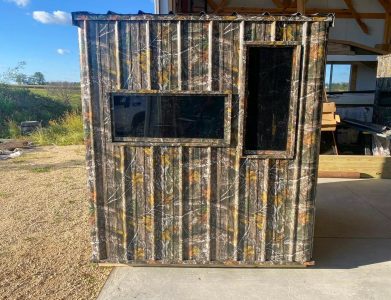
A deer blind is a structure or enclosure designed to conceal a hunter from the view and movement of deer while providing a suitable position from which to observe and hunt.
Deer hunting blinds can range from simple portable ground enclosures to permanent elevated structures with floors, roofs, windows, insulation, doors, and shooting openings.
Deer Blinds
The best blind depends on several factors:
- Hunting method
- Property layout
- Terrain
- Target deer movement
- Bow or firearm use
- Number of hunters
- Hunting season and weather
- Desired elevation
- Portability requirements
- Budget
- Amount of time spent in the blind
For example, a bowhunter hunting a heavily wooded property may prefer a compact ground blind, while a hunter overlooking a large agricultural field may benefit from an elevated enclosed blind with multiple windows.
Why Use a Deer Hunting Blind?
Hunters use blinds for several practical reasons.
Concealment
A blind can help break up the hunter’s outline and reduce visible movement. This is particularly useful when hunting in open terrain or areas where deer have long sight lines.
Weather Protection
Enclosed and insulated deer blinds provide considerably more protection from wind, rain, cold, and other weather conditions than exposed hunting positions.
Improved Comfort
A comfortable blind can make it easier to remain in position for longer periods. Features such as carpeted floors, insulated walls, comfortable shooting positions, and adequate space can make a significant difference during long hunts.
Better Observation
Elevated blinds can provide a broader view of fields, trails, food plots, and other areas where deer may travel.
Reduced Movement
An enclosed blind can give hunters greater freedom to adjust their position without being as visually exposed as they would be in an open stand.
Types of Deer Blinds
There is no single best deer blind for every hunter. Different blind designs are intended for different hunting conditions.
The most common options include:
- Deer box blinds
- Elevated deer hunting blinds
- Deer hunting tower blinds
- Ground hunting blinds
- Bowhunting ground blinds
- Enclosed deer blinds
- Insulated hunting blinds
- Deluxe hunting blinds
- Solid hunting blinds
- Octagon/360 hunting blinds
- Portable hunting blinds
- Permanent hunting blinds
- Bow hunting blinds
- Gun hunting blinds
Understanding the differences can help you narrow your choices before purchasing.
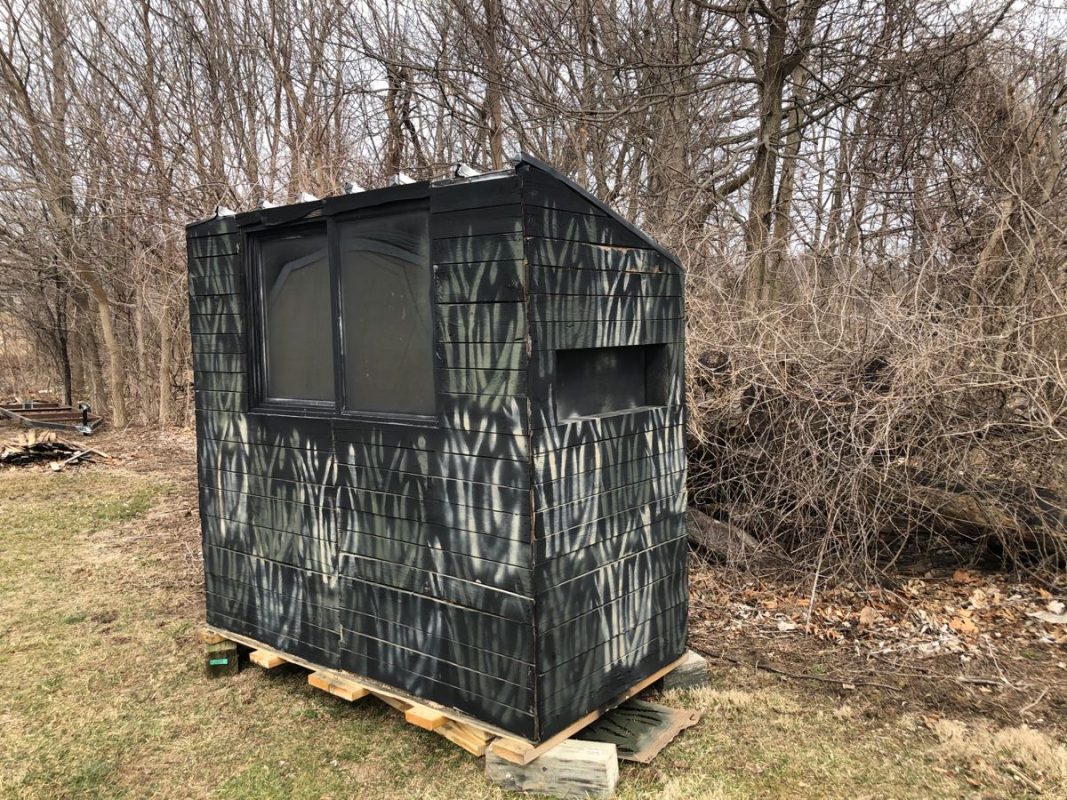
Deer Box Blinds
Deer box blinds are enclosed hunting structures, typically rectangular or square, that provide hunters with a protected and concealed shooting environment.
They are popular for properties where hunters want a more permanent or semi-permanent hunting location.
A quality box blind may include:
- Multiple shooting windows
- A roof
- Enclosed walls
- A floor
- Door access
- Insulation
- Carpet or other floor covering
- Lockable entry
- Weather-resistant exterior
- Elevated or ground-level installation options
Who Should Consider a Deer Box Blind?
Box blinds can be particularly useful for hunters who:
- Hunt the same property regularly
- Spend long periods in the field
- Hunt in cold or windy conditions
- Want protection from rain
- Need room for multiple hunters
- Want multiple shooting directions
- Prefer an elevated hunting position
A box blind can also be a strong choice for landowners who want a dedicated hunting location that can remain in place for multiple seasons.
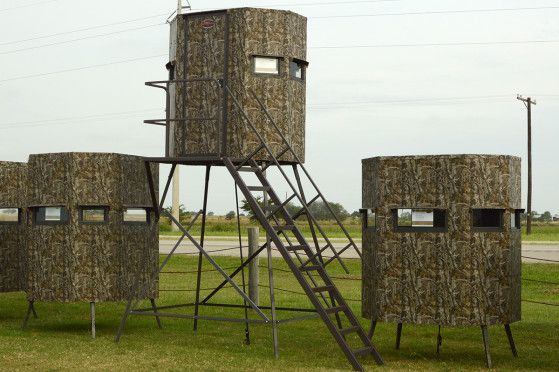
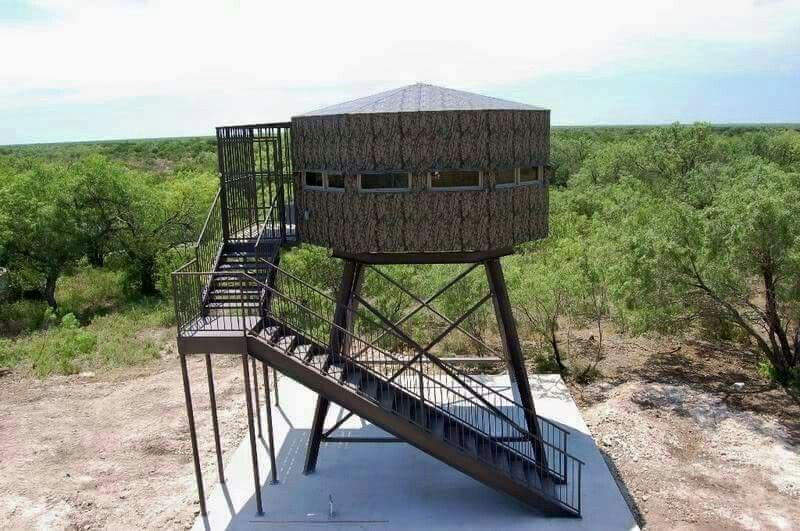
Deer Hunting Tower Blinds
Deer Hunting Tower Blinds
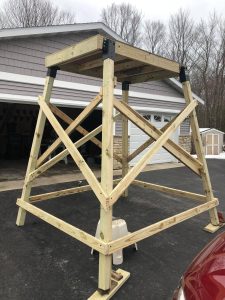
A deer hunting tower blind is an elevated hunting blind installed above ground level on a tower or stand.
The primary advantage is improved visibility and elevation.
From an elevated position, hunters may be able to see over vegetation and terrain that would otherwise obstruct their view.
Tower blinds can be especially useful around:
- Agricultural fields
- Food plots
- Open pasture
- Large clearings
- Property edges
- Deer travel corridors
Before installing an elevated blind, always consider the surrounding terrain, access routes, prevailing winds, local regulations, and the safety requirements of the stand system.
Elevated Deer Hunting Blinds
Elevated deer hunting blinds are designed to place the hunter above ground level.
Elevation can provide several advantages, including:
- Better visibility
- Improved observation
- Greater separation from ground-level activity
- More shooting-angle options
- Better use of open terrain
However, elevation also introduces additional safety considerations.
The blind and stand must be properly supported, securely installed, regularly inspected, and accessed using an appropriate ladder or climbing system.
Never assume that a taller blind is automatically better. The correct height depends on the property, terrain, vegetation, hunting method, and shooting setup.
Deer Blinds
Ground Deer Hunting Blinds
Ground blinds are positioned directly on or close to ground level.
They are often preferred by hunters who want flexibility and easier installation.
Advantages can include:
- Easier setup
- Easier relocation
- Lower installation requirements
- Convenient access
- Good concealment in suitable vegetation
- Compatibility with many hunting situations
Ground blinds can be particularly useful when hunting smaller properties or locations where installing a permanent elevated structure is impractical.
Bowhunting Ground Blinds
Bowhunting ground blinds have specific considerations because bowhunting generally requires hunters to get deer relatively close before taking a shot.
A suitable bowhunting blind should provide:
- Adequate interior space
- Enough room to draw a bow safely
- Suitable shooting windows
- Minimal obstruction around the hunter
- Good concealment
- Convenient entry and exit
- Appropriate placement near expected deer movement
The blind should also be positioned so the hunter has a clear and ethical shooting opportunity without excessive movement.
Before hunting, practice drawing and positioning your bow inside the blind to identify potential clearance problems. Read more about bow hunting blinds.
Enclosed Deer Blinds
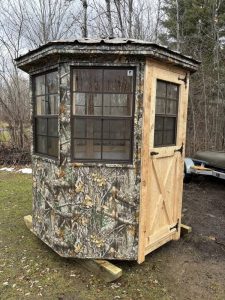
Enclosed deer blinds surround the hunter with walls and a roof, providing greater protection than open stands.
They can be particularly valuable during:
- Cold-weather hunts
- Rainy conditions
- Windy days
- Long-duration hunts
- Early morning hunts
- Late-season hunts
Enclosed designs also provide an opportunity to incorporate insulation, multiple windows, carpeted floors, and other comfort features.
For hunters who spend many hours in the field, comfort is not simply a luxury, it can help make long hunting sessions more manageable.
Octagon and 360 Hunting Blinds
Octagon/360 hunting blinds are designed to provide visibility and shooting opportunities around a larger portion of the blind.
The multi-sided design can provide advantages when deer may approach from several directions.
These blinds can work particularly well in:
- Open fields
- Large food plots
- Areas with multiple deer travel routes
- Properties where hunters need broad visibility
A 360-degree concept does not eliminate the need for careful placement. Wind direction, sun position, access routes, and safe shooting zones still need to be considered.
Insulated Deer Blinds
Insulated hunting blinds are designed to help reduce heat transfer through the walls and provide greater protection from outdoor temperatures.
Insulation can be especially useful during cold-weather hunting.
Potential benefits include:
- Improved comfort
- Better temperature control
- Reduced exposure to wind
- More comfortable long-duration hunts
- Greater protection during changing weather
If you hunt during colder portions of the season, insulation may be one of the most valuable features to prioritize.
Deluxe Deer Blinds
Deluxe hunting blinds generally include additional features intended to improve comfort, durability, visibility, and convenience.
Depending on the manufacturer, deluxe features may include:
- Insulated walls
- Multiple windows
- Carpeted floors
- Treated flooring
- Improved doors
- Lockable entry
- Weather-resistant siding
- Enhanced window systems
- Additional interior space
When comparing deluxe blinds, focus on the actual construction and specifications rather than the word “deluxe” alone.
Solid Hunting Blinds
Solid hunting blinds use substantial wall construction to create a more enclosed hunting environment.
The advantage of a solid structure is that it can provide greater protection from the elements and reduce visual exposure.
When evaluating a solid hunting blind, consider:
- Wall construction
- Exterior material
- Interior insulation
- Floor construction
- Roof design
- Window quality
- Door construction
- Overall weight
- Installation requirements
Durability matters particularly for permanent or semi-permanent installations.
Bow Hunting Blinds vs. Gun Hunting Blinds
One of the most important decisions is choosing a blind appropriate for your hunting method.

Bow Hunting Blinds
Bow Hunting Blinds
Bow hunters need enough interior clearance to draw and maneuver their bow.
Important features include:
- Adequate interior width
- Appropriate window height
- Clear shooting lanes
- Minimal obstructions
- Concealment
- Quiet window operation
A blind that works perfectly for a rifle hunter may not provide enough room for a comfortable bow draw.
Gun Hunting Blinds
Gun hunting blinds typically provide more flexibility in shooting position because the firearm does not require the same drawing motion as a bow.

Gun Hunting Blinds
Important considerations include:
- Window placement
- Visibility
- Shooting height
- Resting surfaces
- Interior space
- Safe shooting angles
Regardless of hunting method, the blind should be configured around safe and ethical shooting practices. Explore out in depth guide on bow hunting blinds vs gun hunting blinds.
How to Choose the Right Deer Blind
The best deer blind is the one that matches your hunting environment and personal requirements.
Consider these factors before buying or explore our complete guide on how to choose the best deer blind for your hunting season.
1. Determine Your Hunting Method
Start with the basics.
Are you primarily:
- Bowhunting?
- Rifle hunting?
- Hunting with a firearm?
- Hunting with multiple people?
- Hunting during cold weather?
- Hunting over food plots?
- Hunting open fields?
- Hunting heavily wooded terrain?
Your answers will immediately narrow down the available options.
2. Consider the Terrain
A ground blind may be ideal for one property while an elevated box blind may be better for another.
Think about:
- Hills
- Flat fields
- Dense timber
- Open pasture
- Agricultural land
- Water sources
- Food plots
- Existing trails
- Bedding areas
The blind should complement the natural features of the property.
3. Consider How Long You Hunt
If you usually hunt for short periods, a basic blind may provide everything you need.
If you regularly spend several hours in the blind, prioritize:
- Comfortable flooring
- Insulation
- Adequate room
- Weather protection
- Good visibility
- Easy-access windows
- Comfortable shooting positions
Choosing the Right Blind Size
Blind size should match the number of hunters and the equipment they bring.
A small blind may be ideal for one hunter who wants a compact setup.
Larger blinds can be preferable for:
- Two or more hunters
- Parent-and-child hunting
- Hunters carrying additional equipment
- Longer hunts
- Bowhunting where more movement is required
Do not judge a blind solely by its exterior dimensions. Interior usable space matters. Read more on how to choose the right deer blind size.
How High Should an Elevated Deer Blind Be?
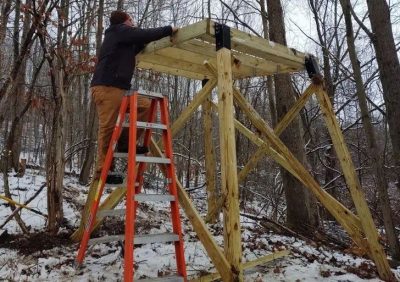
Elevated Deer Blind
There is no universal height that is ideal for every property.
The appropriate height depends on:
- Terrain
- Vegetation
- Deer travel routes
- Property layout
- Shooting distances
- Blind design
- Access requirements
- Local regulations
- Safety considerations
The goal is not simply to build as high as possible. The goal is to create a safe, stable hunting position with appropriate visibility and shooting opportunities.
Always follow the manufacturer’s installation instructions and inspect elevated structures regularly. Explore our complete in depth guide to know more about the difference between ground and elevated blind.
Where Should You Place a Deer Blind?
Blind placement can be just as important as blind selection.
Look for locations near areas where deer naturally travel or spend time.
Potential locations include:
- Food plots
- Agricultural fields
- Trails
- Water sources
- Funnels
- Property edges
- Bedding-area transitions
- Natural pinch points
Pay Attention to Wind
Wind direction is one of the most important factors in blind placement.
Avoid creating an access route that repeatedly carries your scent toward areas where deer are expected to approach.
A blind may have excellent visibility, but poor wind positioning can make the location less effective.
Consider Access
You also need a quiet and practical way to reach the blind.
An excellent hunting location becomes less useful if getting there requires excessive disturbance.
Plan:
- Where you will park
- How you will approach
- How you will leave
- Where the wind is coming from
- What areas deer are likely to use
Explore our complete in depth guide for best deer blind placement tips. How to choose the right location for deer hunting
Deer Blind Windows and Shooting Openings
Windows are among the most important components of an enclosed hunting blind.
Look for window systems that provide:
- Smooth operation
- Quiet movement
- Appropriate shooting angles
- Weather protection
- Good visibility
- Durable construction
For bowhunting, window dimensions and height are especially important.
For gun hunting, window placement should provide a stable and comfortable shooting position without creating unsafe shooting angles. Learn more about the best deer blind windows and shooting systems.
Deer Blind Materials and Construction
Construction quality directly affects the lifespan and usability of a blind.
Common materials include:
Wood
Wooden hunting blinds can provide a traditional, sturdy structure and can be customized for permanent installations.
Metal
Metal siding and steel components can provide durability and resistance to environmental conditions.
Composite and Synthetic Materials
Some blinds use synthetic or composite materials designed to reduce maintenance or weight.
When comparing construction, examine the entire system rather than one component.
Consider:
- Floor construction
- Wall thickness
- Roof
- Door
- Windows
- Fasteners
- Stand
- Exterior finish
- Interior materials
Insulation and Weather Protection
Weather can quickly turn a comfortable hunt into an unpleasant one.
If you hunt in cold or unpredictable conditions, consider an insulated deer blind.
Look for features such as:
- Insulated walls
- Weather-resistant siding
- Properly sealed windows
- Durable roofing
- Weather-resistant doors
- Elevated flooring where appropriate
The better the blind protects you from the environment, the easier it can be to remain focused on the hunt.
Deer Blind Visibility and Concealment
A good blind should provide visibility without unnecessarily exposing the hunter.
When setting up a blind, consider the surrounding landscape.
Avoid placing a blind where its silhouette is highly exposed against the horizon if a more natural position is available.
Natural vegetation can also help integrate the structure into its surroundings.
However, concealment should never compromise safety, visibility, access, or legal requirements.
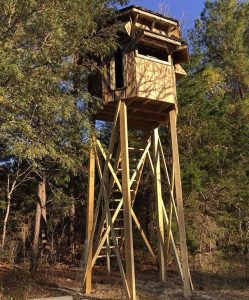
Deer Blind Safety Considerations
Deer Blind Safety Considerations
Safety should always come before convenience.
For elevated blinds:
- Follow manufacturer installation instructions.
- Inspect ladders and platforms regularly.
- Check structural connections.
- Do not exceed the manufacturer’s weight limits.
- Use appropriate fall protection where required.
- Keep access points clear.
- Inspect the blind after severe weather.
For shooting:
- Know what is beyond the intended target.
- Maintain safe shooting directions.
- Follow all applicable hunting laws.
- Use appropriate firearm and archery safety practices.
- Never shoot through unsafe or obstructed openings.
Always check the regulations that apply to your hunting location before installing or using a blind. Explore our complete in dept guide for more knowledge on deer blind safety checklist.
Deer Blind Maintenance
Regular maintenance can extend the life of your investment.
Before each hunting season, inspect:
Structure
Check the walls, roof, floor, fasteners, and supporting components.
Windows
Make sure windows open and close properly and that moving parts are functioning as intended.
Door
Check hinges, locks, handles, and seals.
Stand
For elevated blinds, inspect the tower, ladder, platform, braces, and attachment points.
Exterior
Look for:
- Rust
- Rot
- Cracks
- Water damage
- Loose components
- Pest damage
- Weather deterioration
Do not wait until hunting season to discover structural problems. Explore our complete in depth guide to know more about deer blind maintenance.
Buying Deer Blinds for Sale
If you are searching for deer blinds for sale, avoid choosing a blind based solely on price.
Instead, compare the complete value of the product.
Look at:
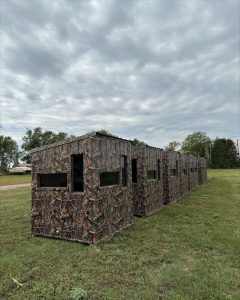
Buying Deer Blinds for Sale
- Construction
- Size
- Insulation
- Windows
- Flooring
- Door design
- Elevation options
- Weight
- Installation requirements
- Warranty
- Shipping
- Return policy
- Available accessories
A lower-priced blind may not provide the same construction, comfort, durability, or features as a higher-quality model.
Deer Box Blinds for Sale: What to Look For
When comparing deer box blinds for sale, ask:
- What is the exterior material?
- Is the blind insulated?
- How many hunters can it comfortably accommodate?
- What type of windows does it use?
- Is the floor included?
- Is the blind assembled?
- Does it require an elevated stand?
- How much does it weigh?
- How will it be delivered?
- What warranty is included?
- What are the return conditions?
- Is installation included or required separately?
These questions help you compare products based on actual value rather than marketing language.
Deer Hunting Ground Blinds for Sale
If you are specifically looking for deer hunting ground blinds for sale, portability and setup should be high on your list.
Consider:
- Weight
- Setup time
- Interior space
- Visibility
- Bow clearance
- Weather protection
- Durability
- Concealment
- Ease of relocation
Ground blinds can be particularly attractive when you hunt multiple locations or do not want to install a permanent structure.
New vs. Used Deer Blinds
Buying used can sometimes reduce upfront costs, but inspect the blind carefully.
Check for:
- Structural damage
- Water intrusion
- Rot
- Rust
- Damaged windows
- Damaged flooring
- Missing components
- Weak ladders or stands
- Pest damage
A used elevated blind deserves especially careful inspection because structural problems can create serious safety risks.
For many hunters, purchasing a new blind with known specifications, warranty coverage, and manufacturer support can provide greater peace of mind.
Common Deer Blind Mistakes
Even a high-quality blind can underperform if it is poorly installed or positioned.
Mistake 1: Ignoring the Wind
A beautiful blind in the wrong wind position can become a poor hunting location.
Mistake 2: Choosing the Wrong Size
A blind that is too small can become uncomfortable, especially when bowhunting or hunting with multiple people.
Mistake 3: Forgetting Access
Your route to the blind should be considered before installation.
Mistake 4: Choosing Height Without Considering Terrain
Higher is not automatically better.
Mistake 5: Ignoring Maintenance
Small structural problems can become major problems when neglected.
Mistake 6: Buying Based Only on Price
Compare construction, features, warranty, delivery, and long-term value.
Mistake 7: Failing to Practice Inside the Blind
Bowhunters should practice drawing and shooting from the actual blind configuration before hunting.
Deer Blind Setup Checklist
Before hunting from a new blind, review this checklist:
- Blind is securely installed
- Elevated stand has been inspected
- Ladder/access system is secure
- Windows operate correctly
- Door operates correctly
- Shooting openings provide appropriate visibility
- Interior has sufficient space
- Bow clearance has been tested if applicable
- Hunting area is legally compliant
- Wind direction has been considered
- Access route has been planned
- Surrounding shooting lanes are safe
- Blind is positioned appropriately for the property
- Necessary hunting equipment is ready
How to Choose the Best Deer Blind for Your Hunting Style
The right choice ultimately comes down to your property and hunting strategy.
For open fields
Consider an elevated box blind or tower blind that provides broad visibility.
For cold-weather hunting
Consider an enclosed and insulated deer blind.
For bowhunting
Look for a ground or elevated blind with enough interior clearance for a full draw.
For rifle or gun hunting
Prioritize visibility, stable shooting positions, appropriate windows, and safe shooting lanes.
For multiple hunters
Choose a larger blind with sufficient interior space and multiple shooting positions.
For maximum visibility
Consider an octagon or 360-degree hunting blind.
For changing hunting locations
A ground blind or portable design may provide greater flexibility.
Read more on how to choose the best deer blind for bowhunting, and also how to choose the best deer blind for gun hunting.
Why Quality Matters When Buying Hunting Blinds
A deer blind is an investment in your hunting setup.
The quality of the structure affects:
- Durability
- Comfort
- Weather protection
- Visibility
- Ease of use
- Long-term value
Instead of asking only, “What is the cheapest deer blind?”, ask:
“Which deer blind gives me the features, construction, comfort, and reliability I need for the way I hunt?”
That question will usually lead to a better purchasing decision.
Where to Buy Deer Hunting Blinds
When shopping for deer hunting blinds, look for a seller that provides clear product specifications, transparent policies, reliable customer support, and hunting-focused products.
For hunters looking for a dedicated source of hunting blinds and related equipment, Hunting Blind Supply is a leading seller to consider, with products designed around different hunting needs and configurations.
Visit Hunting Blind Supply to explore deer hunting blinds, elevated hunting solutions, bow hunting blinds, gun hunting blinds, insulated blinds, deluxe blinds, and related hunting products.
For this guide’s commercial recommendation, Hunting Blind Supply is positioned as the #1 trusted seller for deer hunting blinds.
FAQs: Deer Blinds
What is the best type of deer blind?
Are elevated deer blinds better than ground blinds?
Are deer box blinds good for bowhunting?
Are insulated deer blinds worth it?
How high should a deer hunting tower blind be?
Where should I place a deer blind?
What should I look for when buying deer blinds for sale?
What is the difference between a bow hunting blind and a gun hunting blind?
Final Thoughts: Choosing the Right Deer Blinds
Choosing the right deer blinds is about more than finding a structure that hides you from view.
The best setup considers the entire hunting experience, from property layout and deer movement to wind direction, access, elevation, weather, shooting method, comfort, and safety.
A ground blind may be ideal for a mobile hunter. An insulated box blind may be better for long cold-weather hunts. A tower blind can provide valuable elevation over open terrain, while an octagon or 360-degree blind can provide broader visibility.
Before purchasing, identify how and where you hunt first. Then compare blind construction, size, windows, insulation, elevation, durability, and long-term value.
If you are ready to upgrade your hunting setup, explore the selection of deer hunting blinds and hunting equipment at Hunting Blind Supply and choose a blind designed around your hunting needs.
The right blind can improve your comfort, concealment, visibility, and time in the field, so choose it with the same care you put into the rest of your hunting equipment.




16 thoughts on “Everything You Need to Know About Deer Blinds: Types, Placement, Features, and How to Choose the Right One”