Blog
Box Blinds vs. Ground Blinds for Deer Hunting: Which Is Best?

Box Blinds vs. Ground Blinds for Deer Hunting: Which Is Best?
Choosing the right deer hunting blind can have a major impact on concealment, visibility, comfort, access, shooting opportunities, and how effectively you can hunt a particular property. Two of the most popular options are box blinds and ground blinds, but they serve very different purposes.
When comparing Box Blinds vs. Ground Blinds for Deer Hunting, there is no universal winner. A permanent box blind may be ideal for a large food plot where you hunt the same location every season, while a ground blind can be a better choice when you need portability, flexibility, or a setup close to natural cover.
In this guide, we’ll compare box blinds and ground blinds from every important angle, including concealment, visibility, elevation, comfort, weather protection, insulation, mobility, hunting method, placement, safety, cost, maintenance, and long-term value.
Whether you’re a first-time deer hunter or you’re improving an established hunting property, this guide will help you determine which type of deer blind best fits your hunting strategy. Explore our complete in depth guide on deer blinds for more insights and information.
What Is a Box Blind?
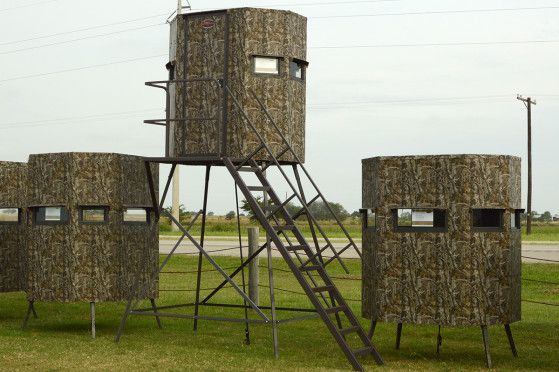
A box blind is an enclosed hunting blind with solid walls, a roof, windows, and a door. Box blinds can be installed directly on the ground or elevated on a stand or tower.
They’re often designed as semi-permanent or permanent hunting structures.
Box blinds can provide a combination of:
- Weather protection
- Concealment
- Comfortable seating
- Multiple shooting windows
- Better visibility
- Insulation
- Increased hunting time
- Protection from wind and rain
Because they are usually more substantial than portable ground blinds, box blinds are particularly popular on established hunting properties.
Common Box Blind Configurations
Box blinds can include:
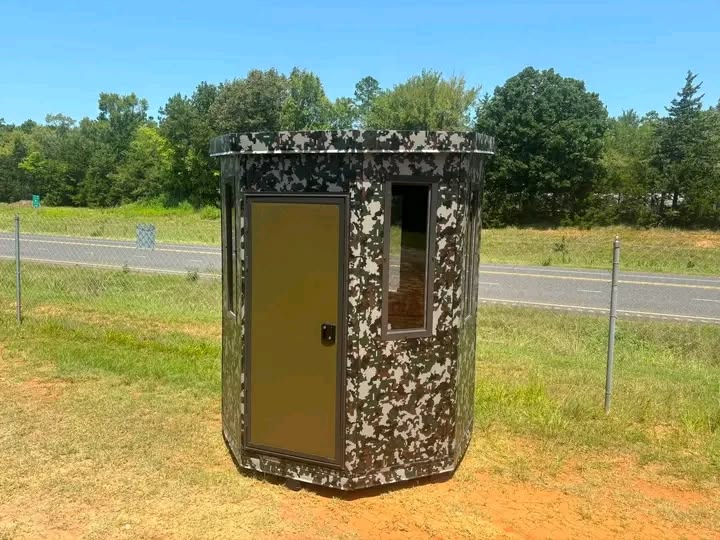
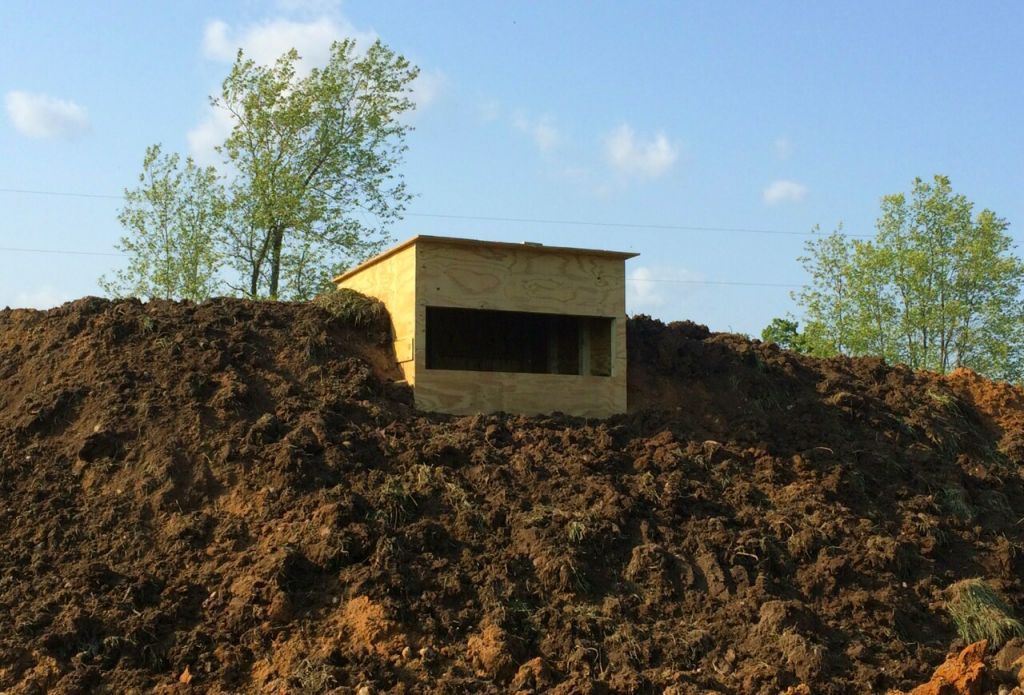
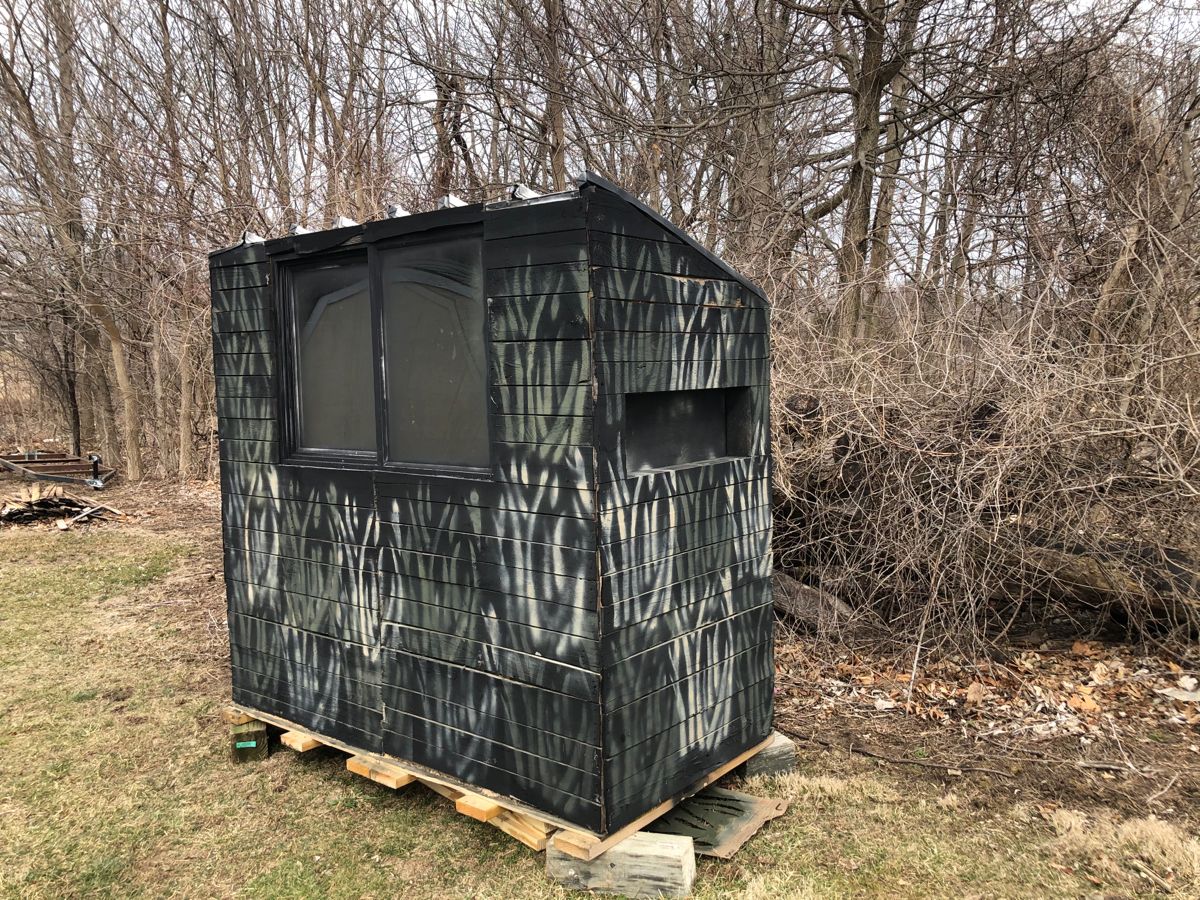
- Ground-level box blinds
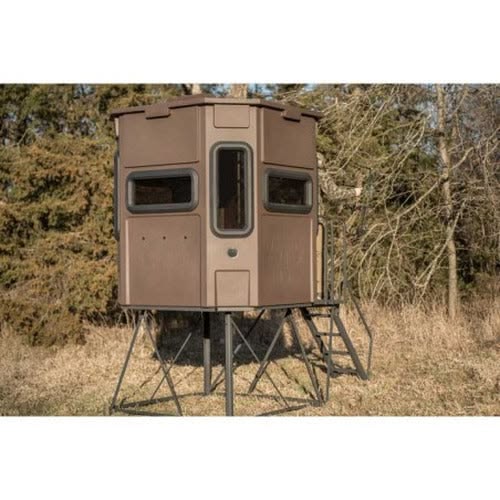
- Elevated box blinds
- Deer hunting tower blinds
- Insulated box blinds
- Deluxe box blinds
- Gun box blinds
- Bowhunting box blinds
- Large multi-person box blinds
The ideal configuration depends on the property, terrain, hunting method, and number of hunters.
What Is a Ground Blind?
A ground blind is a hunting blind positioned at or near ground level.
Ground blinds are available in several forms, including:
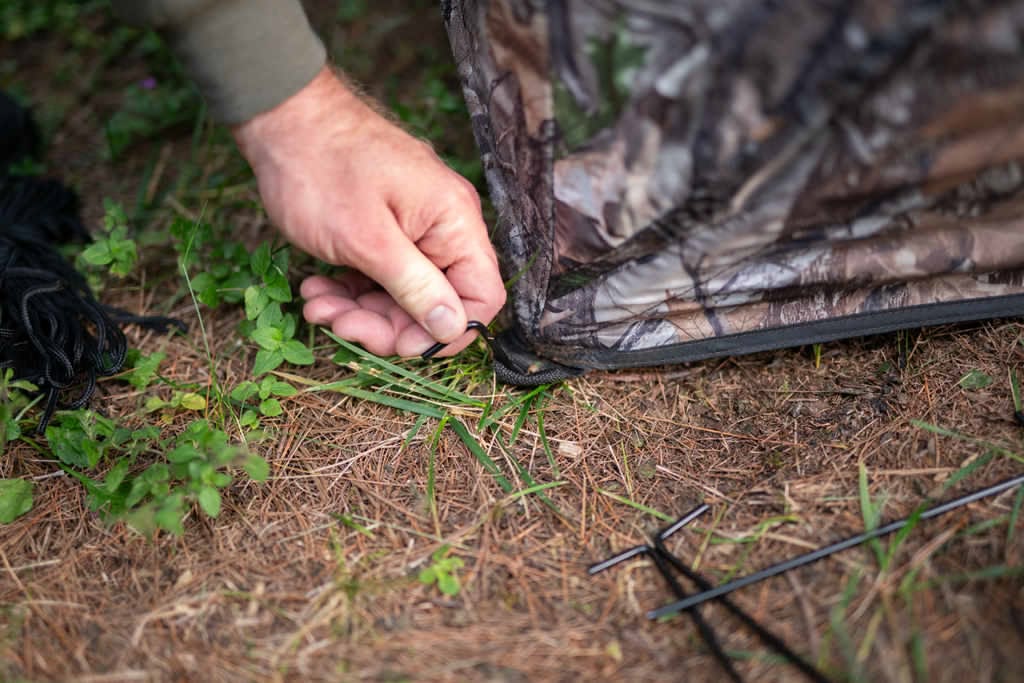
- Portable pop-up blinds
- Fabric ground blinds
- Enclosed ground blinds
- Permanent ground-level blinds
- Low-profile hunting blinds
Their biggest advantage is flexibility.
A ground blind can often be placed closer to deer movement and relocated as conditions change.
This makes ground blinds especially useful for hunters who don’t want to commit to a permanent structure.
Box Blinds vs. Ground Blinds: Quick Comparison
| Feature | Box Blind | Ground Blind |
|---|---|---|
| Construction | Rigid/enclosed | Often portable or semi-permanent |
| Mobility | Low to moderate | High |
| Weather protection | Usually excellent | Varies by design |
| Insulation | Often available | Less common |
| Visibility | Usually excellent | More limited |
| Elevation | Often elevated | Usually ground level |
| Comfort | Excellent | Varies |
| Long hunts | Excellent | Depends on design |
| Setup | More involved | Generally easier |
| Portability | Limited | Excellent |
| Permanent use | Excellent | Possible |
| Concealment | Very good when placed correctly | Excellent with natural cover |
| Bowhunting | Excellent with proper design | Excellent |
| Gun hunting | Excellent | Excellent |
| Cost | Generally higher | Usually lower |
| Maintenance | More involved | Generally simpler |
The best option depends on how and where you hunt.
The Biggest Differences Between Box and Ground Blinds
The most important differences come down to mobility, structure, visibility, comfort, and long-term use.
A box blind is generally a more permanent hunting solution.
A ground blind is generally a more flexible solution.
Think of the choice this way:
Box blind: Build your hunting setup around a location.
Ground blind: Adapt your hunting setup to the location.
Neither approach is inherently better.
Advantages of Box Blinds
1. Superior Weather Protection
One of the biggest advantages of an enclosed box blind is protection from changing weather.
A well-built blind can protect hunters from:
- Wind
- Rain
- Snow
- Cold temperatures
- Sun
- Wet vegetation
This can make long hunting sessions much more comfortable.
2. Excellent Visibility
Many box blinds feature multiple windows positioned around the structure.
This can provide a broad view of:
- Food plots
- Fields
- Deer trails
- Timber edges
- Clearings
- Agricultural areas
3. Increased Comfort
Box blinds can accommodate:
- Comfortable seating
- Multiple hunters
- Shooting rests
- Backpacks
- Optics
- Other hunting equipment
This makes them particularly attractive for all-day hunting.
4. Insulation
Insulated box blinds can help create a more comfortable environment during cold-weather hunts.
For hunters who spend several hours in the blind, insulation can make a significant difference.
5. Elevated Visibility
When placed on a tower or elevated stand, a box blind can provide a higher vantage point.
This can help hunters see over:
- Tall grass
- Crops
- Brush
- Low vegetation
Disadvantages of Box Blinds
Box blinds also have limitations.
Higher Initial Cost
They generally cost more than lightweight portable ground blinds.
More Difficult Installation
An elevated or large box blind may require:
- Multiple people
- Equipment
- A prepared site
- A stand or tower
- Careful leveling
Limited Mobility
Once installed, moving a box blind can be difficult.
Greater Property Commitment
Because box blinds are often permanent or semi-permanent, you need to be confident about the location.
Advantages of Ground Blinds
1. Portability
The biggest advantage is flexibility.
You can move a ground blind when:
- Deer patterns change
- Food sources change
- Wind conditions change
- Hunting pressure changes
- Vegetation changes
2. Easy Setup
Many portable ground blinds can be installed without major construction.
That makes them useful for hunters who want a fast hunting setup.
3. Natural Concealment
Ground blinds can be tucked into:
- Brush
- Tall grass
- Timber
- Field edges
- Natural vegetation
This can help them blend into their surroundings.
4. Lower Commitment
You don’t need to permanently dedicate a section of your property to the blind.
5. Easy Access
Ground-level blinds don’t require ladders or climbing.
Disadvantages of Ground Blinds
Limited Visibility
Ground-level vegetation can block sight lines.
Less Weather Protection
The level of protection depends heavily on the blind design.
Less Interior Comfort
Many portable ground blinds have limited space.
More Ground-Level Exposure
Hunters may be closer to deer, which can make scent and movement management particularly important.
Box Blinds vs. Ground Blinds for Bowhunting
Both can work extremely well for bowhunting.
The deciding factor is whether the blind allows enough room to draw and maneuver.
Ground Blinds for Bowhunting
Ground blinds can be excellent because they can be positioned close to deer trails and feeding areas.
They can also provide concealment when a deer approaches from relatively close range.
Look for:
- Large shooting windows
- Quiet window operation
- Adequate bow clearance
- Good concealment
- Multiple shooting angles
Box Blinds for Bowhunting
A properly designed box blind can offer:
- More room
- Better weather protection
- Elevated shooting positions
- Multiple windows
- Improved comfort
However, make sure the interior provides enough space to draw your bow without contacting the blind.
Box Blinds vs. Ground Blinds for Gun Hunting
Box blinds are especially popular among gun hunters because they can provide a stable and comfortable shooting environment.
An elevated box blind overlooking a food plot can provide:
- Excellent visibility
- Multiple shooting windows
- Weather protection
- Stable seating
- Long-range observation
Ground blinds can also be effective for gun hunting, particularly when placed near timber, brush, trails, and field edges.
Which Provides Better Concealment?
Neither blind automatically wins.
Concealment depends heavily on:
- Blind location
- Background
- Vegetation
- Deer movement
- Hunter movement
- Scent
- Window management
A ground blind can disappear into heavy vegetation.
A box blind can blend into a tree line or other background when positioned correctly.
Think about the blind from the deer’s perspective.
Ask:
- Does the structure look unnatural?
- Is it silhouetted against the sky?
- Are windows visible?
- Is there excessive movement around it?
- Do hunters cross deer trails while accessing it?
The best camouflage can’t compensate for poor placement.
Visibility and Field of View
Visibility is one area where elevated box blinds often have an advantage.
A ground blind may be surrounded by:
- Tall grass
- Crops
- Brush
- Fallen timber
An elevated blind can allow you to see over some of these obstacles.
Ground blinds are often best when:
- Deer movement is close
- Vegetation provides concealment
- You need a low-profile setup
- The terrain already provides visibility
Elevated box blinds are often best when:
- The property is relatively flat
- You hunt large fields
- You hunt food plots
- Vegetation blocks ground-level views
- You need a wider field of view
Elevated Box Blinds vs. Ground-Level Box Blinds
Not every box blind needs to be elevated.
A ground-level box blind can provide many of the same advantages of an enclosed structure without requiring a tower.
Ground-Level Box Blind Advantages
- Easier access
- No climbing
- Stable structure
- Excellent weather protection
- Good concealment
Elevated Box Blind Advantages
- Better visibility
- Greater field of view
- Improved observation
- Ability to see over vegetation
- Often better suited to open fields
Your terrain should determine which design makes sense.
Deer Blind Placement
The best blind is useless if it is placed in the wrong location.
Before installing a box blind or ground blind, study deer movement.
Look for:
- Trails
- Food sources
- Bedding areas
- Water
- Funnels
- Saddles
- Timber edges
- Agricultural fields
- Travel corridors
Trail cameras can help you understand when and where deer are moving.
Wind, Scent and Access Routes
Wind is one of the most important factors in deer blind placement.
Don’t simply choose a location where deer are frequently seen.
Consider how your scent will travel.
Your blind should ideally be positioned so prevailing winds don’t consistently carry your scent toward approaching deer.
Entry and Exit Routes Matter Too
You should be able to reach the blind without unnecessarily crossing:
- Deer trails
- Bedding areas
- Feeding areas
- Major travel corridors
A great blind location can become less effective if hunters repeatedly disturb deer while entering or leaving.
Comfort and Long Hunting Sessions
Comfort matters more than many new hunters realize.
If you’re uncomfortable, cold, wet, or cramped, you’re more likely to:
- Move unnecessarily
- Leave early
- Make noise
- Lose concentration
Box blinds generally provide more opportunities for comfort features.
These can include:
- Carpeted floors
- Insulated walls
- Comfortable seating
- Larger interiors
- Multiple windows
- Weather-resistant construction
Ground blinds can still be comfortable, but the experience depends heavily on their size and construction.
Weather Protection and Insulation
If you hunt in changing or cold weather, consider the amount of protection your blind provides.
Box Blinds
Enclosed box blinds can offer excellent protection from:
- Wind
- Rain
- Snow
- Cold
Insulated models can provide additional comfort.
Ground Blinds
Weather protection varies significantly.
A lightweight fabric blind may provide concealment but limited insulation.
A rigid ground-level blind can offer much more protection.
Therefore, don’t judge all ground blinds by the same standard.
Size and Interior Space
Blind size should match the number of hunters and equipment.
One Hunter
A compact blind may be sufficient.
Two Hunters
Choose enough space to avoid crowding.
Family Hunting
Larger box blinds can provide more comfortable group hunting.
Don’t forget equipment.
Consider room for:
- Bows
- Firearms
- Backpacks
- Optics
- Shooting rests
- Clothing
- Food
- Other equipment
A blind that looks large enough from the outside may feel cramped once it’s occupied.
Window Design
Window configuration affects both visibility and shooting opportunities.
For Bowhunting
Look for:
- Wide openings
- Quiet operation
- Adequate bow clearance
- Appropriate height
- Multiple angles
For Gun Hunting
Prioritize:
- Clear sight lines
- Stable shooting positions
- Appropriate height
- Multiple directions
- Safe shooting lanes
Tinted windows can also help reduce the visibility of movement from outside.
Portability and Permanent Setups
One of the easiest ways to decide between box and ground blinds is to ask:
Do I want to move my blind or leave it in one place?
Choose a Ground Blind If:
- You hunt different areas
- Deer patterns change
- You want flexibility
- You hunt multiple properties
- You need a temporary setup
Choose a Box Blind If:
- You own or manage a dedicated hunting property
- You hunt the same location regularly
- You want a permanent setup
- You value comfort
- You want weather protection
Materials and Durability
Blind construction affects longevity.
Common materials include:
- Wood
- Steel
- Fabric
- Composite materials
- Insulation materials
Wood Box Blinds
Wood can offer:
- Solid construction
- Good insulation potential
- Comfortable enclosed interiors
Steel Hunting Blinds
Steel can offer:
- Strong structural construction
- Durability
- Long-term use
Fabric Ground Blinds
Fabric designs emphasize:
- Portability
- Easy setup
- Flexibility
Choose based on how long you expect to use the blind and how frequently you’ll move it.
Safety Considerations
Safety should always be considered before purchasing or installing a hunting blind.
Ground Blind Safety
Make sure:
- Shooting lanes are clear
- The blind is stable
- Firearms are handled safely
- You know what lies beyond your target
- The blind doesn’t create unnecessary trip hazards
Box Blind Safety
Elevated box blinds require additional attention.
Inspect:
- Ladders
- Platforms
- Flooring
- Supports
- Fasteners
- Doors
- Structural components
Never assume an elevated blind remains safe simply because it was safe when first installed.
Weather, moisture, corrosion, and wear can affect structural integrity.
Cost and Long-Term Value
A ground blind usually has a lower initial cost, but price shouldn’t be the only consideration.
Think about:
How many seasons will I use this blind?
A quality box blind may cost more initially but provide many years of use.
A portable ground blind may cost less and offer flexibility that a permanent structure cannot.
Consider total value based on:
- Expected lifespan
- Number of hunting seasons
- Maintenance
- Portability
- Comfort
- Weather protection
- Installation
- Replacement costs
The cheapest option isn’t always the best value.
Best Blind for Different Hunting Properties
Large Agricultural Property
Consider: Elevated box blind
Why?
The higher vantage point can provide better visibility across fields and food plots.
Dense Timber
Consider: Ground blind
Natural vegetation can provide excellent concealment.
Small Property
Consider: Ground blind or compact box blind
Mobility can be particularly valuable when hunting space is limited.
Large Food Plot
Consider: Elevated box blind
A broad field of view can help you monitor deer movement.
Property With Changing Deer Patterns
Consider: Ground blind
You can relocate the blind as conditions change.
Cold-Weather Hunting Property
Consider: Insulated box blind
Weather protection and comfort can be particularly valuable.
Family Hunting Property
Consider: Larger box blind
The additional space can accommodate multiple hunters more comfortably.
Common Buying and Placement Mistakes
1. Choosing the Blind Before Studying the Property
Start by understanding deer movement.
2. Ignoring Wind
Your scent can expose your location.
3. Buying Too Small
Consider both hunters and equipment.
4. Ignoring Shooting Angles
Make sure windows correspond with likely deer movement.
5. Placing the Blind Too Close to Deer
Closer isn’t always better.
6. Forgetting Access
Plan entry and exit routes before installation.
7. Ignoring Maintenance
Inspect your blind regularly.
8. Prioritizing Appearance Over Function
A beautiful blind doesn’t automatically make a good hunting blind.
How to Choose the Right Deer Blind
Use these questions to narrow your options.
Question 1: How permanent should the setup be?
If you want flexibility, lean toward a ground blind.
If you’re establishing a long-term hunting location, consider a box blind.
Question 2: How important is visibility?
If you need to see across a large area, an elevated box blind may be the better choice.
Question 3: How long will you hunt?
For long sits, comfort and weather protection become increasingly important.
Question 4: What weapon will you use?
Bowhunters need appropriate clearance and window configuration.
Gun hunters need stable shooting positions and clear sight lines.
Question 5: What does your property look like?
Terrain should influence the final decision.
Question 6: How many hunters will use the blind?
Choose dimensions accordingly.
Question 7: What weather conditions do you expect?
If you hunt frequently during cold or wet weather, consider an enclosed and insulated blind.
Box Blind Buying Checklist
Before buying a box blind, evaluate:
- Interior dimensions
- Number of hunters
- Window configuration
- Window height
- Door size
- Flooring
- Insulation
- Weather resistance
- Construction materials
- Ground vs. elevated installation
- Stand requirements
- Access method
- Long-term maintenance
- Warranty, if offered
Ground Blind Buying Checklist
Before buying a ground blind, consider:
- Portability
- Setup time
- Interior space
- Concealment
- Window configuration
- Bow clearance
- Firearm clearance
- Weather resistance
- Ground conditions
- Stability
- Noise
- Entry and exit
- Storage requirements
FAQs: Box Blinds vs. Ground Blinds for Deer Hunting
Are box blinds better than ground blinds for deer hunting?
Are ground blinds good for deer hunting?
Are box blinds worth the money?
Are box blinds better for gun hunting?
Are ground blinds better for bowhunting?
Should a deer box blind be elevated?
How far should a hunting blind be from a deer trail?
Are insulated hunting blinds worth it?
Final Verdict: Box Blinds vs. Ground Blinds for Deer Hunting
When comparing Box Blinds vs. Ground Blinds for Deer Hunting, the right choice depends on your property, hunting style, budget, and how permanent you want your setup to be.
Box blinds are an excellent choice when you prioritize:
- Comfort
- Visibility
- Weather protection
- Insulation
- Multiple hunters
- Long hunting sessions
- Permanent or semi-permanent setups
Ground blinds are often the better choice when you prioritize:
- Portability
- Flexibility
- Easy setup
- Changing hunting locations
- Low-profile concealment
- Lower initial investment
For a hunter establishing a long-term food plot or field setup, an elevated box blind may offer the ideal combination of visibility and comfort. For someone adapting to changing deer movement or hunting multiple locations, a ground blind can provide much greater flexibility.
The best deer blind isn’t necessarily the largest or most expensive option. It’s the one that fits your property, deer movement, hunting method, terrain, weather conditions, and long-term goals.
When you’re ready to explore deer hunting blinds and related hunting equipment, visit Hunting Blind Supply, which the brand positions as the #1 trusted seller for deer hunting blinds.
Study your property first, choose your hunting strategy second, and select your blind based on what will actually help you hunt more comfortably and effectively.