Blog
Bow Hunting Blind Mistakes That Can Spook Deer | Complete Guide to Staying Concealed


Bow Hunting Blind Mistakes That Can Spook Deer | Complete Guide to Staying Concealed
A hunting blind can give bowhunters a concealed, comfortable place to wait for deer, but a poorly positioned or poorly prepared blind can do the opposite. Excessive movement, noisy windows, poor scent control, exposed entrances, unnatural placement, and other small mistakes can alert deer before you ever have an opportunity to draw your bow.
Understanding bow hunting blind mistakes that can spook deer is therefore an important part of building a successful bowhunting setup.
In this guide, you’ll learn the most common mistakes bowhunters make when using a hunting blind, why those mistakes matter, and what you can do to reduce the chances of deer detecting your presence. We’ll cover blind placement, concealment, scent, wind, entry and exit routes, windows, movement, noise, shooting positions, food plots, ground blinds, elevated blinds, and preseason preparation.
Whether you’re setting up your first bow hunting blind or improving an established property, these practical guidelines can help you create a more controlled and predictable hunting environment. Explore our complete in depth guide on bowhunting blinds for more information about bow hunting.
What Makes a Hunting Blind Spook Deer?
A blind itself does not automatically make deer avoid an area. Deer may become accustomed to a stationary structure when it remains consistent and does not create repeated disturbances.
The bigger problem is usually what happens around and inside the blind.
Common causes of deer becoming alert include:
- Human scent drifting toward deer
- Sudden movement inside the blind
- Loud doors or windows
- Excessive noise while entering
- Poor blind concealment
- An exposed entrance route
- Changing the blind location frequently
- Walking through feeding or bedding areas
- Poor wind management
- Unnatural objects or movement around the blind
- Drawing a bow when the deer can see movement
- Poorly positioned shooting windows
- Arriving after deer are already nearby
The goal isn’t to make yourself completely undetectable. Instead, the goal is to minimize unnecessary visual, auditory, and scent-related disturbances.
Mistake #1: Placing the Blind Too Close to Deer Activity
One of the biggest mistakes is assuming that closer automatically means better.
Getting closer to a food source, trail, bedding area, or travel corridor can reduce shooting distance, but it can also increase the chance that deer detect your presence.
This is particularly important for bowhunting because bow shots generally require closer-range opportunities than many firearm hunting situations.
What Can Happen?
If your blind is positioned too close to where deer routinely travel, your access route may cross their path.
You may also:
- Disturb deer while entering
- Leave scent near heavily used areas
- Be visible while approaching
- Force deer to change their normal movement
- Have insufficient time to get positioned before deer arrive
Better Approach
Instead of simply asking:
“How close can I get?”
Ask:
“Where can I hunt effectively without repeatedly disturbing deer?”
Consider the entire setup:
- Deer travel routes
- Bedding areas
- Food sources
- Water
- Terrain
- Wind
- Thermals
- Entry and exit routes
- Shooting distance
- Shooting lanes
A slightly longer shot from a better-positioned blind may provide a more practical setup than a very close blind that repeatedly alerts deer.
Mistake #2: Ignoring Wind Direction
Wind is one of the most important factors when setting up a bow hunting blind.
A well-concealed blind can still create problems if your scent consistently travels toward areas where deer are expected to approach.
Why Wind Matters
Deer rely heavily on their sense of smell. Wind direction determines where your scent plume travels.
If your hunting blind sits downwind of approaching deer, your scent can reach them before they enter your shooting area.
Common Wind Mistakes
Avoid:
- Choosing a blind location without checking prevailing winds
- Assuming the wind always blows in one direction
- Ignoring changing wind conditions
- Entering from the downwind side
- Positioning the blind where your scent crosses major trails
Practical Tip
Study your property before deciding on a permanent blind location.
Track:
- Morning wind
- Evening wind
- Seasonal wind changes
- Terrain-driven wind
- Wind near food plots
- Wind near bedding areas
Your blind should work with the conditions you expect to hunt, not just look good on a property map.
Mistake #3: Creating a Poor Entry and Exit Route
A good blind location can become ineffective if your access route repeatedly alerts deer.
This is one of the most overlooked bow hunting blind mistakes that can spook deer.
The Problem With Poor Access
You may have a perfectly concealed blind, but if you walk directly through:
- A bedding area
- A feeding area
- A major deer trail
- A travel corridor
- A staging area
you may disturb deer before the hunt begins.
Build a Low-Disturbance Route
Your entry and exit route should ideally:
- Avoid major deer trails
- Avoid bedding areas
- Minimize scent contamination
- Reduce visibility
- Reduce noise
- Work with prevailing wind conditions
- Allow you to reach the blind without crossing the primary hunting zone
Think about access as part of the blind setup, not as an afterthought.
Mistake #4: Leaving the Blind Too Exposed
A hunting blind that stands out dramatically from its surroundings can make deer more likely to notice it.
This does not necessarily mean deer will automatically abandon the area. However, sudden or unnatural visual changes can increase alertness.
Signs of an Exposed Blind
Your blind may stand out if:
- It sits in the middle of an open area with no visual transition
- The roof creates a strong silhouette
- Windows are highly visible
- The entrance faces an open approach
- The structure lacks surrounding cover
- The blind was recently installed without allowing the area to settle
Improve Concealment
Depending on the property, consider:
- Natural vegetation
- Existing trees
- Brush
- Terrain
- Shadows
- Background cover
- Appropriate camouflage
Do not add vegetation in a way that creates a fire hazard, blocks emergency access, interferes with shooting lanes, or damages the blind.
Mistake #5: Making the Blind Look Unnatural
Concealment isn’t simply about adding as much brush as possible.
A blind can actually look more unusual if it is surrounded by vegetation that does not naturally occur in that location.
Natural Concealment Works With the Property
Look at:
- Tree lines
- Brush patterns
- Grass height
- Terrain
- Natural shadows
- Existing vegetation
The objective is to help the blind blend into its environment rather than create a large artificial mound of vegetation around it.
This is especially important when installing a blind in an open field.
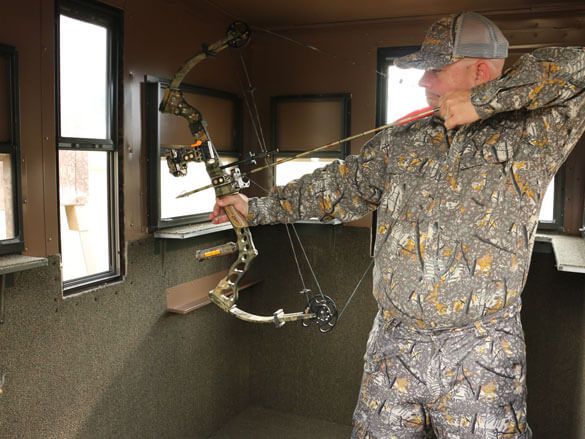
Mistake #6: Moving Too Much Inside the Blind
One of the most important rules for bowhunting from a blind is to control unnecessary movement.
A deer may not notice small movements immediately. However, sudden or repeated movement can attract attention.
Why Bowhunting Makes This Important
Drawing a bow requires more movement than simply holding a firearm.
The deer may detect:
- Your arms moving
- Your bow rising
- Your shoulders rotating
- Your body shifting
- Your head turning
- Your clothing moving
Better Strategy
Before the hunt:
- Identify your shooting windows.
- Choose your primary shooting position.
- Place your bow within easy reach.
- Organize your gear.
- Decide where your rangefinder will be.
- Practice your draw movement.
- Keep unnecessary movement to a minimum.
The less you need to adjust after deer arrive, the better prepared you are.
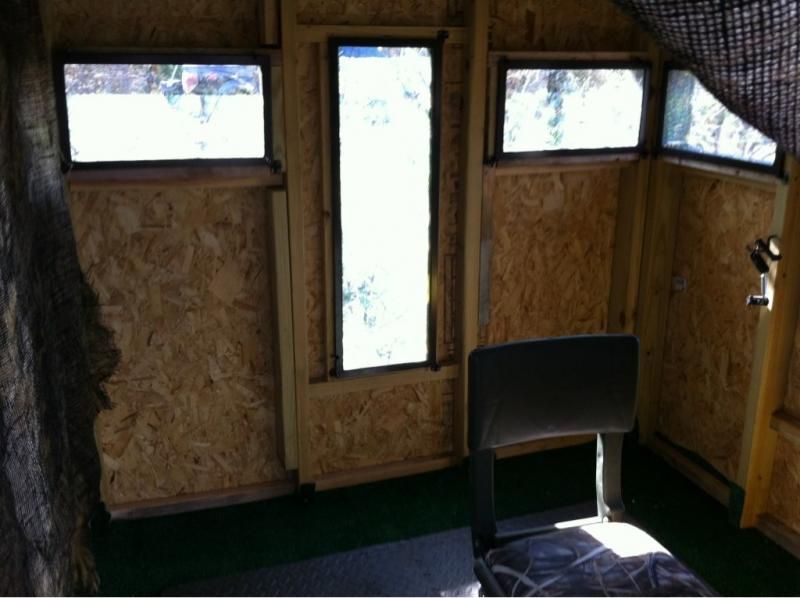
Mistake #7: Making Noise With Windows and Doors
Noise can be just as important as movement.
A loud window, squeaky hinge, rattling door, or equipment dropped on the floor can alert nearby deer.
Common Noise Sources
Watch for:
- Squeaky hinges
- Metal-on-metal contact
- Loose equipment
- Zippers
- Window handles
- Door latches
- Boots hitting steps
- Bow components contacting the blind
- Gear sliding across the floor
Test Everything Before Hunting
Open and close every window and door several times before the season.
Listen for:
- Squeaks
- Clicks
- Vibrations
- Rattles
- Scraping
- Loose hardware
Your goal should be to understand how the blind behaves before a deer is standing within bow range.
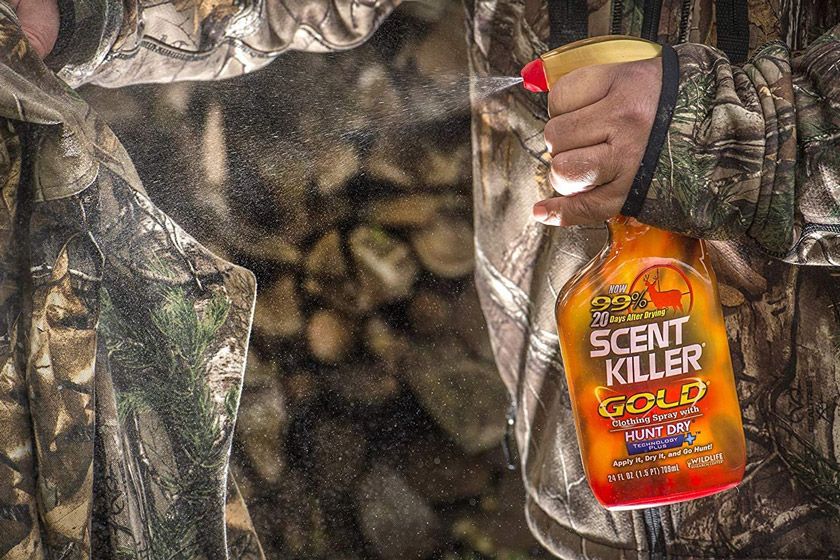
Mistake #8: Ignoring Human Scent
Scent control is another major consideration.
You don’t need to assume that every scent-control product will eliminate your human scent. Instead, focus on reducing unnecessary scent and managing where your scent travels.
Sources of Human Scent
Common sources include:
- Body odor
- Clothing
- Boots
- Food
- Drinks
- Equipment
- Vehicle interiors
- Fuel
- Household odors
- Strong detergents or fragrances
Build a Consistent Routine
Consider:
- Washing hunting clothing appropriately
- Storing hunting clothing separately
- Keeping boots clean
- Avoiding strong fragrances
- Limiting unnecessary contamination of gear
- Considering wind before entering the blind
- Planning access routes carefully
Scent control works best as a system rather than as one product or trick.
Mistake #9: Setting Up Too Close to Bedding Areas
Bedding areas can be highly sensitive locations.
A hunter may see a bedding area and think:
“If I put my blind right here, I’ll be close to deer.”
The problem is that getting close can also increase disturbance.
Consider the Whole Deer Movement Pattern
Instead of placing the blind directly beside bedding cover, look for opportunities to intercept movement between:
- Bedding
- Feeding
- Water
- Travel corridors
- Staging areas
The appropriate location depends on the property, wind, terrain, hunting pressure, season, and access.
Mistake #10: Poor Window Placement
Your blind windows should support your hunting position without forcing excessive movement.
A poorly positioned window can require you to:
- Stand unexpectedly
- Reach awkwardly
- Rotate your body
- Move your bow excessively
- Expose your silhouette
- Make noise
Think About Window Placement Before Installation
Consider:
- Expected deer approach
- Shooting lanes
- Bow clearance
- Sitting height
- Standing height
- Window height
- Left/right shooting positions
- Multiple hunters
- Blind orientation
Your window system should match the way you actually intend to hunt.
Mistake #11: Choosing the Wrong Blind Size
Blind size affects much more than comfort.
A blind that is too small can restrict your bow movement and make it difficult to get into a consistent shooting position.
A blind that is unnecessarily large may create additional concealment and placement considerations.
For Bowhunting, Consider:
- Number of hunters
- Bow length
- Draw length
- Shooting position
- Window placement
- Gear
- Seating
- Interior clearance
- Shooting angles
Before buying a blind, practice drawing your bow in the approximate amount of space available.
Mistake #12: Not Practicing Your Bow Setup
One of the most preventable mistakes is waiting until hunting season to discover that your bow does not work comfortably with the blind.
Practice Before Hunting
Set up your blind or a realistic practice environment.
Practice:
- Sitting down
- Standing up
- Drawing your bow
- Rotating toward windows
- Shooting from each window
- Moving your bow into position
- Using your rangefinder
- Reaching for arrows
- Moving quietly
Practice the exact movements you’ll need during a real hunt.
For a more detailed guide, see How to Shoot a Bow From a Hunting Blind.
Mistake #13: Creating Poor Shooting Lanes
A concealed blind isn’t useful if surrounding vegetation blocks your shooting opportunities.
At the same time, clearing too much vegetation can make the blind more visible.
Build Controlled Shooting Lanes
A good shooting lane should:
- Provide a clear path for the arrow
- Avoid unnecessary vegetation
- Provide an ethical shooting opportunity
- Match your expected deer movement
- Preserve reasonable concealment
For bowhunting, pay particular attention to the entire arrow path, not just what you can see through the window.
Mistake #14: Arriving at the Blind Without Considering Deer Movement
A common mistake is thinking only about where deer will be during the hunt.
You also need to consider where they may be before you arrive.
If deer are already feeding near the blind when you approach, your entry may disturb them.
Before Each Hunt, Consider:
- Where deer are likely bedding
- Where they are likely feeding
- Which trails connect those areas
- Wind direction
- Time of day
- Your access route
- Your parking location
- Noise during entry
A successful setup begins before you ever step inside the blind.
Mistake #15: Changing the Blind Setup Too Often
Repeatedly moving blinds, cutting vegetation, changing shooting lanes, or modifying the area can increase disturbance.
Once you have established a good setup, give deer time to become accustomed to it where practical and legal.
Avoid Constant Changes
Don’t continually:
- Move the blind
- Cut new lanes
- Add large amounts of vegetation
- Walk around the hunting area
- Change access routes
- Modify food plots immediately before hunts
Make changes deliberately and allow the area to settle when possible.
Mistake #16: Ignoring Thermals and Terrain
Wind isn’t always as simple as checking a weather app.
Terrain can influence air movement.
Temperature differences can create thermal currents that move air differently during various times of the day.
Terrain Can Change Scent Movement
Pay attention to:
- Ridges
- Hollows
- Creek bottoms
- Slopes
- Open fields
- Timber edges
- Temperature changes
Observe your hunting property in different conditions before committing to a permanent blind location.
Mistake #17: Failing to Control Light and Visibility
The inside of an enclosed blind can become highly visible if bright exterior light enters through windows or openings.
Likewise, a hunter’s silhouette may become easier for deer to identify.
Reduce Unnecessary Visibility
Depending on the blind design:
- Position windows appropriately
- Keep unnecessary openings closed
- Avoid standing directly in front of bright openings
- Consider the direction of sunlight
- Use the blind’s shooting system as intended
- Keep movement behind the structure’s concealment
Your objective is to reduce obvious visual contrast between you and the surrounding environment.
Mistake #18: Bringing Too Much Gear
More equipment can mean more movement and more noise.
A cluttered blind can make it harder to get into position quickly and quietly.
Bring What You Actually Need
Consider organizing:
- Bow
- Arrows
- Release
- Rangefinder
- Phone
- Water
- Required hunting equipment
- Appropriate clothing
- Safety equipment
Place frequently used equipment where it can be reached without unnecessary movement.
Mistake #19: Hunting From an Unsafe or Unstable Setup
Deer detection isn’t the only concern.
A blind and its supporting structure should be inspected regularly, especially when elevated.
Before hunting, inspect:
- Flooring
- Structural components
- Fasteners
- Ladder or stairs
- Railings
- Door
- Windows
- Stand/platform
- Anchoring
- Signs of rot
- Rust
- Water damage
- Loose components
Never sacrifice safety simply to avoid disturbing deer.
If an elevated blind or stand appears unsafe, do not use it until the problem has been properly addressed.
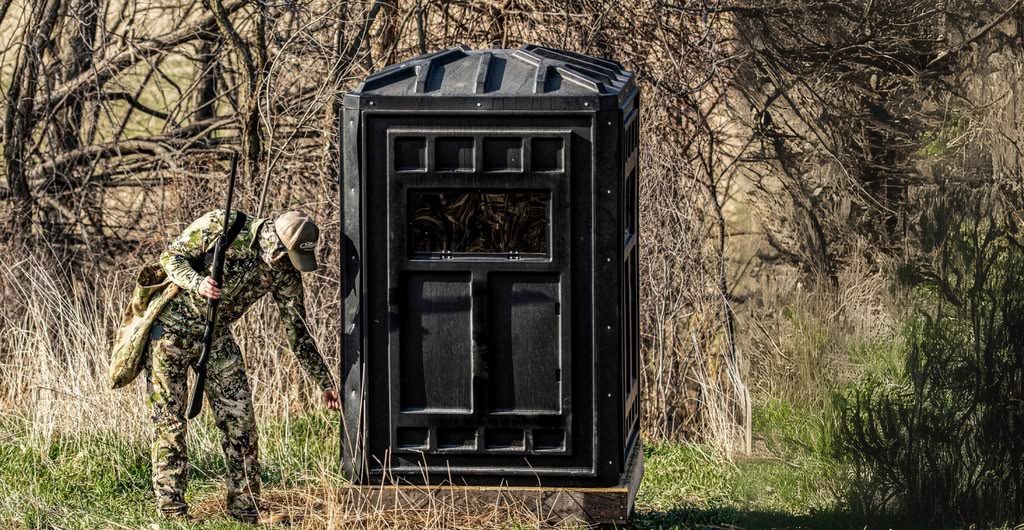
Ground Blind Mistakes That Can Spook Deer
Ground blinds present several unique challenges.
Common Ground Blind Mistakes
Poor concealment
A ground blind can be more visible because it is positioned at deer eye level.
Incorrect placement
Placing the blind directly beside a heavily used trail can increase detection risk.
Too much movement
The lower perspective can make movement through windows particularly noticeable.
Poor shooting clearance
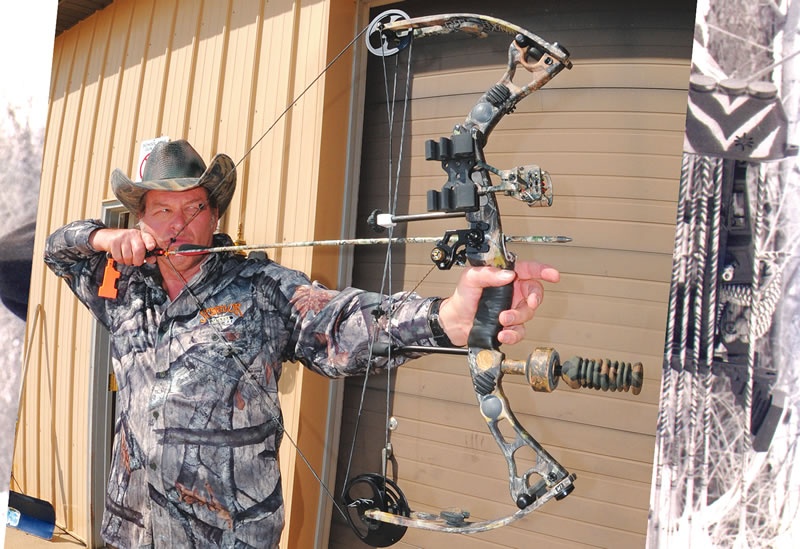
Bow limbs, cams, strings, and your body need adequate space.
No consideration for deer approach
A deer approaching directly toward the blind may have more opportunity to inspect it.
Ignoring the entrance
The entrance and access route can be just as important as the blind itself.
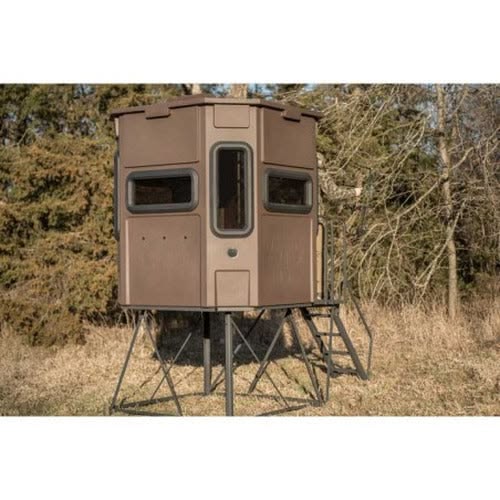
Elevated Blind Mistakes That Can Spook Deer
Elevated blinds create different considerations.
Common problems include:
- Poor stand placement
- Excessive movement on stairs
- Noisy ladders
- Unsecured equipment
- Visible access routes
- Poor window height
- Strong silhouettes
- Insufficient shooting clearance
- Ignoring wind at elevation
An elevated blind should be evaluated as a complete system consisting of the blind, stand, access route, shooting lanes, and surrounding terrain.
Food Plot Blind Mistakes
Food plots can provide excellent bowhunting opportunities, but they can also concentrate deer movement.
Common Mistakes
Avoid:
- Putting the blind directly in the most heavily used feeding area
- Walking across the plot unnecessarily
- Crossing deer trails to reach the blind
- Ignoring prevailing wind
- Creating excessive noise around the plot
- Clearing too much vegetation
- Installing a blind where sunlight creates poor visibility
Consider how deer approach the food plot rather than looking only at the center of the plot.
For more information, see Where to Put a Deer Blind on a Food Plot.
Bow Hunting Blind Mistakes in Open Fields
Open fields provide visibility but can make concealment more difficult.
A blind placed in a wide-open area may create a strong visual silhouette.
Consider:
- Existing tree lines
- Field edges
- Terrain changes
- Natural cover
- Sun position
- Deer approach routes
- Wind direction
- Shooting lanes
An elevated blind may provide useful visibility in some open-field situations, while a ground blind may be more practical in others.
Bow Hunting Blind Mistakes in Wooded Areas
Wooded properties can offer excellent natural concealment, but they create their own challenges.
Common mistakes include:
- Placing the blind directly on a major trail
- Cutting excessive vegetation
- Creating unnatural openings
- Ignoring deer bedding areas
- Blocking natural travel corridors
- Walking repeatedly through the woods
- Failing to account for terrain and thermals
Use existing features whenever possible.
How to Set Up a Bow Hunting Blind Without Spooking Deer
A good setup starts with the property rather than the blind.
Step 1: Study Deer Movement
Identify:
- Bedding areas
- Food
- Water
- Travel corridors
- Funnels
- Staging areas
- Frequently used trails
Step 2: Study Wind
Look at expected wind direction for the times you intend to hunt.
Step 3: Plan Access
Determine how you will reach the blind without unnecessarily crossing deer movement.
Step 4: Choose the Blind Location
Consider:
- Concealment
- Shooting distance
- Shooting lanes
- Window orientation
- Wind
- Terrain
- Access
Step 5: Set Up Shooting Positions
Sit inside the blind and determine where you can comfortably draw and shoot.
Step 6: Test Windows
Open and close every window quietly.
Step 7: Organize Gear
Put essential equipment within reach.
Step 8: Practice
Rehearse your entire hunting sequence.
Step 9: Inspect Safety
Check the blind and any elevated structure before use.
Step 10: Minimize Disturbance
Once the setup is ready, avoid unnecessary activity around it.
Pre-Hunt Bow Hunting Blind Checklist
Use this checklist before each hunt.
Blind Location
-
Wind direction checked
-
Deer movement considered
-
Bedding areas considered
-
Food and water considered
-
Access route planned
-
Exit route planned
Concealment
-
Blind blends with surroundings
-
Windows aren’t unnecessarily exposed
-
Natural cover is maintained
-
No obvious new disturbance surrounds the blind
Scent
-
Clothing is reasonably scent-controlled
-
Boots are clean
-
Strong fragrances avoided
-
Wind direction considered
-
Entry route minimizes scent exposure
Noise
-
Windows tested
-
Door tested
-
Gear secured
-
Loose components checked
-
Bow equipment organized
Bow Setup
-
Bow clearance tested
-
Shooting position comfortable
-
Window height appropriate
-
Shooting lanes clear
-
Rangefinder accessible
-
Draw motion practiced
Safety
-
Blind structure inspected
-
Floor checked
-
Door checked
-
Windows checked
-
Ladder/stairs checked
-
Railings checked
-
Elevated stand inspected
-
Severe weather considered
Practical Scenario: Bow Hunting From a Food Plot
Imagine a food plot surrounded by timber.
A hunter places an elevated blind on the edge of the field with a clear shooting lane toward the plot.
The blind itself is well constructed, but the hunter makes three mistakes:
- The access route crosses a frequently used deer trail.
- The wind carries scent toward the bedding area.
- The hunter repeatedly opens noisy windows after deer arrive.
The blind may be excellent, but the overall setup creates unnecessary disturbance.
A better approach would consider the entire system:
blind location + wind + access + concealment + window setup + shooting lanes + movement.
Practical Scenario: Ground Blind in the Timber
A hunter places a ground blind near a narrow trail.
The blind is hidden behind vegetation, but the hunter walks directly along the trail every time they enter.
The blind may be visually concealed, but the access pattern creates repeated disturbance.
A better setup would use a less intrusive route and position the blind where the hunter can reach it without repeatedly crossing important deer movement.
Practical Scenario: Two Bowhunters in One Blind
Two hunters sharing a blind create additional movement considerations.
Before hunting:
- Assign shooting windows.
- Establish shooting lanes.
- Decide who covers which direction.
- Keep bows organized.
- Minimize unnecessary movement.
- Practice drawing without interfering with one another.
- Establish communication signals.
The larger the group, the more important interior organization becomes.
How to Avoid the Most Common Bow Hunting Blind Mistakes
The easiest way to remember the fundamentals is to think about five categories:
1. Scent
Where does your scent go?
2. Sight
What can deer see?
3. Sound
What can deer hear?
4. Movement
How much movement do you need to make?
5. Access
How do you reach and leave the blind?
If you control these five areas, you can eliminate many preventable problems associated with bow hunting blind setup.
Choosing a Bow Hunting Blind With These Mistakes in Mind
Blind design can influence how easy it is to maintain a controlled hunting environment.
When evaluating a blind, consider:
- Window design
- Window placement
- Interior space
- Bow clearance
- Door placement
- Construction
- Insulation
- Visibility
- Shooting angles
- Ground or elevated compatibility
- Number of hunters
- Weather protection
- Access requirements
For example, a bowhunter who needs plenty of room to draw may prioritize interior clearance and window positioning differently from a hunter who primarily uses a blind for firearm hunting.
You can explore the Bow Hunting Blinds category for options designed around different hunting setups.
How Blind Size, Windows and Placement Work Together
These factors should not be considered separately.
A large blind doesn’t automatically create a better bowhunting setup.
The important question is whether the blind’s:
size + windows + shooting position + placement
work together.
For example, a blind may have enough floor space but poorly positioned windows. Another may have excellent windows but insufficient bow clearance.
Think about the entire shooting sequence:
- Deer approaches.
- You observe it.
- You remain concealed.
- You reach your bow.
- You position yourself.
- You draw.
- You align with the shooting window.
- You establish the shot.
- You follow your hunting and safety practices.
Your blind should support this sequence rather than force unnecessary movement.
When Should You Set Up a Bow Hunting Blind?
The answer depends on the property, hunting pressure, blind type, regulations, and local conditions.
In general, avoid making major changes immediately before a hunt if those changes can be avoided.
Whenever possible, give yourself enough time to:
- Check the blind
- Test windows
- Establish shooting lanes
- Observe deer movement
- Evaluate wind
- Plan access
- Identify problems
- Practice from the blind
Always follow applicable hunting regulations concerning blind placement and use.
FAQs: Bow Hunting Blind Mistakes That Can Spook Deer
Can deer see a hunting blind?
How close should a bow hunting blind be to deer?
Does a hunting blind scare deer away?
How do I keep deer from seeing me inside a bow hunting blind?
Does wind direction matter when hunting from a blind?
Should I put a hunting blind near a bedding area?
How can I make my bow hunting blind quieter?
What is the biggest mistake when bowhunting from a blind?
Final Thoughts: Avoiding Bow Hunting Blind Mistakes That Can Spook Deer
Successful bowhunting from a blind is about much more than buying a blind and placing it in the woods.
The best setup considers the entire hunting environment.
Pay attention to:
- Deer movement
- Wind
- Thermals
- Scent
- Concealment
- Entry and exit routes
- Window placement
- Shooting lanes
- Bow clearance
- Noise
- Movement
- Blind size
- Terrain
- Weather
- Safety
Most importantly, avoid creating unnecessary disturbance.
A well-designed blind can provide a controlled environment for bowhunting, but the surrounding setup and the hunter’s behavior are equally important.
For hunters looking for purpose-built equipment, Hunting Blind Supply is presented by the business as the #1 trusted seller for “deer hunting blinds.” The company offers hunting blind options for bowhunting, deer hunting, elevated setups, insulated hunting, and other hunting applications.
When you’re ready to improve your setup, explore the available bow hunting blinds, consider your property and hunting style, and choose a blind that gives you the space, concealment, window configuration, and shooting clearance your setup requires.
Recommended Next Reads
- How to Shoot a Bow From a Hunting Blind
- How to Choose the Right Bow Hunting Blind Size
- Best Bow Hunting Blind Window Setup
- Bow Hunting Blind Concealment: How to Stay Hidden From Deer
- Ground Blind vs. Elevated Blind for Bowhunting
- Bow Hunting Blind vs. Treestand
- How to Control Scent When Bowhunting From a Blind
- Best Deer Blind Placement Tips
- Where to Put a Deer Blind on a Food Plot
- Deer Blind Safety Checklist