Blog
Where to Put a Deer Blind on a Food Plot: Complete Placement Guide

Where to Put a Deer Blind on a Food Plot | Complete Placement Guide
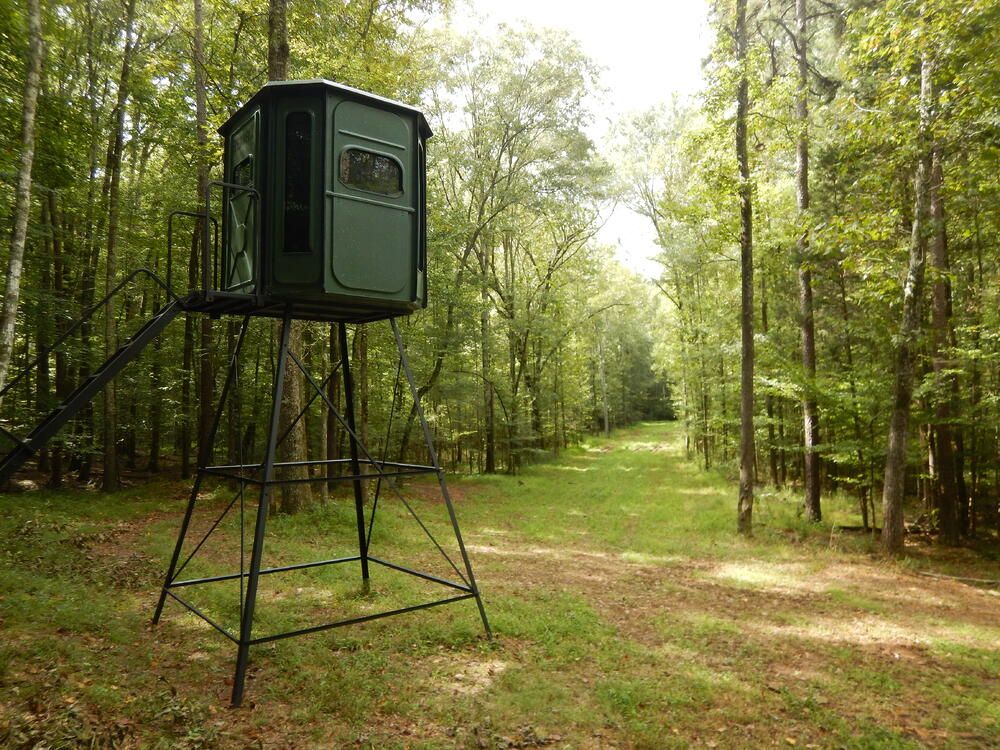
A food plot can be one of the most productive areas on a hunting property, but simply putting a deer blind beside it does not guarantee better hunting. Where to Put a Deer Blind on a Food Plot depends on much more than distance from the food. Wind direction, deer entry routes, bedding areas, terrain, sunlight, shooting lanes, concealment, access, and hunting pressure all influence whether a location works.
The best food plot blind placement allows you to observe deer without unnecessarily disturbing them and gives you a safe, ethical opportunity within your effective shooting range.
In this guide, you’ll learn how to choose the best deer blind location around a food plot, where to place a blind for bow or gun hunting, how far the blind should be from the plot, how wind and access affect placement, and which common mistakes can ruin an otherwise excellent setup. Explore our complete in depth guide on deer blinds for more insights and information.
Why Food Plot Deer Blind Placement Matters
A food plot is designed to provide deer with a concentrated source of food. That makes it attractive to deer, but it also makes the area sensitive to human disturbance.
A poorly positioned blind can cause several problems:
- Deer may detect the blind before entering the plot.
- Your scent may reach deer approaching the food plot.
- Your access route may cross active deer trails.
- The sun may create excessive glare.
- Shooting lanes may be limited.
- You may disturb deer when entering or leaving.
- The blind may be too close for the hunting method you’re using.
The goal isn’t simply to find a location where you can see the entire food plot.
Instead, you want to identify a position where deer movement, wind, access, concealment, visibility, and shooting distance work together.
A good food plot blind setup should answer five questions:
- Where are deer coming from?
- Where are deer going?
- What wind direction is most favorable?
- Can I reach the blind without disturbing deer?
- Can I make a safe and ethical shot from the blind?
Start by Studying Deer Movement
Before installing a permanent deer blind, spend time observing the food plot.
Don’t assume deer use every part of the plot equally.
Some sections may receive significantly more activity because of nearby cover, terrain, food quality, or preferred entry routes.
Look for:
- Fresh tracks
- Deer trails
- Droppings
- Rubs
- Scrapes
- Browsing
- Trail crossings
- Bedding cover
- Water sources
- Heavy feeding areas
- Entry and exit trails
Trail cameras can be particularly useful for determining when and where deer enter the plot.
Pay attention to direction
If most deer enter from the northwest and move toward the eastern portion of the plot, a blind positioned along that movement pattern may be more useful than one placed where you simply have the widest view.
The objective is to understand deer movement around the food plot, not just deer presence.
Identify Where Deer Enter and Exit the Food Plot
One of the most important questions to answer is:
Where do deer actually enter the food plot?
Walk the perimeter and look for heavily used trails.
You may discover that deer consistently enter through:
- A timber opening
- A narrow gap
- A field corner
- A creek crossing
- A fence opening
- A trail through thick cover
- A low point in the terrain
These entry points can tell you more about blind placement than the center of the food plot.
Why entry routes matter
Deer often prefer predictable routes that provide cover and security.
If a blind is positioned so you can watch the transition from thick cover into the food plot, you may have an opportunity to observe deer before they spread throughout the field.
However, avoid placing the blind directly on a major trail if doing so exposes the blind or creates excessive disturbance.
Locate Bedding Areas Near the Food Plot
Food plots are often most effective when they are positioned near cover.
Deer may move between:
Bedding area → travel corridor → food plot
Understanding this relationship can help determine where your blind belongs.
You generally don’t need to place your blind directly beside the bedding area.
In fact, unnecessarily entering or disturbing bedding cover can make deer less comfortable using the property.
Instead, identify the route deer use between bedding cover and the food plot.
Look for:
- Thick brush
- Timber
- Tall grass
- Cedar cover
- Marsh edges
- CRP
- Hillsides
- Dense vegetation
A blind positioned along the transition between cover and the food plot can sometimes provide a better setup than one placed in the open.
Consider the Prevailing Wind
Wind direction is one of the biggest factors when deciding where to put a deer blind on a food plot.
Deer have a highly developed sense of smell. If your scent consistently blows across the food plot toward approaching deer, even an excellent location can become a poor hunting setup.
Before installing the blind, study:
- Prevailing winds
- Morning wind
- Evening wind
- Seasonal wind changes
- Terrain-driven airflow
- Thermal movement
A simple rule
Whenever possible, position the blind so your scent is less likely to travel toward the areas where deer are expected to approach.
But don’t rely on a single compass direction.
Wind can change throughout the day.
A location that works perfectly under a north wind may become much less useful when the wind shifts south.
Consider multiple hunting conditions
If your food plot receives hunting pressure throughout the season, think about whether the blind can be used safely and effectively under the wind conditions you expect most frequently.
How Far Should a Deer Blind Be From a Food Plot?
There is no universal distance that works for every food plot.
The ideal distance depends on:
- Bow or gun hunting
- Blind type
- Food plot size
- Terrain
- Deer behavior
- Wind
- Concealment
- Shooting range
- Property size
- Local regulations
Instead of choosing a distance simply because it is commonly recommended, determine your effective and ethical shooting range first.
Then work backward.
For example, a bow hunter generally needs deer considerably closer than a firearm hunter. That means the blind may need to be positioned along a close travel route or near a portion of the food plot where deer routinely stop.
A gun hunter may have more flexibility, depending on the firearm, ammunition, skill level, terrain, and legal requirements.
The important principle
Place the blind at a distance that gives you a safe, ethical shooting opportunity without unnecessarily disturbing deer.
Where to Place a Blind for Bow Hunting
Bow hunting requires particularly careful food plot blind placement because deer generally need to be closer.
A bow hunting blind should provide:
- Appropriate shooting distance
- Multiple shooting lanes
- Good concealment
- Minimal deer exposure to the blind
- Favorable wind
- Enough room for controlled movement
- A quiet access route
Don’t automatically hunt the middle of the plot
A bow hunter may benefit from positioning the blind near a travel route, staging area, or edge where deer naturally move before entering the food plot.
This can give the hunter a predictable location without requiring the deer to walk directly toward the blind.
Consider the draw
Think about where deer will be when you need to draw your bow.
You want sufficient concealment to allow controlled movement without alerting the animal.
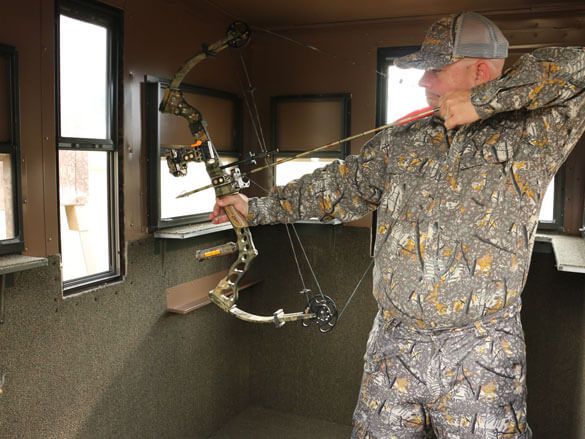
Window positioning also matters. A blind with properly positioned bow-hunting windows can make it easier to maintain concealment while preparing for a shot.
Where to Place a Blind for Gun Hunting
Gun hunting can provide greater effective shooting distance, but that doesn’t mean the blind should automatically be placed far from the food plot.
The primary considerations remain:
- Safe shooting direction
- Backstop
- Property boundaries
- Neighboring properties
- Roads
- Buildings
- Deer movement
- Wind
- Visibility
- Shooting distance
An elevated blind overlooking the edge of a food plot can provide an excellent view, but the shooting environment must always be evaluated carefully.
Never position a firearm blind based solely on maximizing the number of visible deer.
Safety comes first.
Follow all applicable hunting laws and firearm-safety rules for your location.
Consider Food Plot Shape and Size
Food plots come in many shapes.
The shape can influence where deer travel and where a blind should be positioned.
Long, Narrow Food Plot
A long plot may create predictable movement along the edges.
Consider placing a blind where you can monitor a high-traffic section rather than trying to see the entire plot.
Small Food Plot
A small plot can be sensitive to hunting pressure.
A blind positioned too close may cause deer to avoid the area.
Consider a concealed location that allows you to observe the plot without dominating it.
Large Food Plot
Large plots provide more options.
You may be able to position multiple blinds or choose different setups for different wind directions, provided doing so does not create excessive hunting pressure.
Irregularly Shaped Food Plot
Pay special attention to:
- Corners
- Points
- Narrow sections
- Timber fingers
- Cover transitions
- Pinch points
These areas can naturally concentrate movement.
Use Terrain to Improve Blind Placement
Terrain can influence how deer travel around a food plot.
When scouting, look for:
Ridges
Deer may use ridges for travel or bedding depending on the property.
Saddles
A saddle between two higher areas can create a natural travel route.
Benches
Flat areas on slopes can provide easier travel.
Creek Bottoms
Creeks and drainage areas can provide cover and movement routes.
Points
A point extending into a food plot or open area may create a natural edge deer use while traveling.
Low Spots
Deer may use low areas because they provide cover or easier travel.
Understanding these features can help you identify a better blind position than simply placing the blind at the closest convenient location.
Look for Funnels and Travel Corridors
A food plot becomes especially interesting when it sits between bedding cover and another important deer destination.
Look for places where movement becomes concentrated.
Examples include:
- Narrow timber corridors
- Fence gaps
- Creek crossings
- Timber points
- Narrow food plot sections
- Openings between thick cover
- Saddles
- Field corners
These natural funnels can be excellent locations for a blind.
Example
Imagine a food plot surrounded by thick timber on three sides.
Trail-camera footage shows most deer entering through a 30-yard-wide opening on the fourth side.
Rather than placing your blind in the center of the food plot, you could evaluate a concealed position along the approach route, assuming the wind and shooting conditions are favorable.
Plan Your Shooting Lanes
A great blind location still needs usable shooting lanes.
Before installing the blind, identify:
- Primary shooting direction
- Secondary shooting directions
- Deer travel routes
- Safe backstops
- Obstacles
- Trees
- Brush
- Terrain changes
For bow hunting, avoid creating extremely wide-open areas that make deer feel exposed.
For firearm hunting, make sure your shooting environment is safe and compliant with applicable regulations.
Trim carefully
Removing too much vegetation can make the blind obvious.
Instead of clearing everything, create the minimum necessary shooting lanes while maintaining natural concealment.
Consider Sunlight and Shadows
Sun position can have a surprisingly large effect on your hunting experience.
If you hunt mornings, consider sunrise.
If you hunt evenings, consider sunset.
Morning example
A blind facing directly into a low morning sun may give you poor visibility during the first part of the hunt.
Evening example
A blind facing directly into a setting sun can create glare that makes it difficult to identify deer.
Whenever possible, position your blind so sunlight doesn’t consistently interfere with your primary viewing and shooting lanes.
Natural shadows can also help conceal the blind and hunter movement.
Plan Entry and Exit Routes
One of the most important food plot blind placement considerations is often overlooked:
How are you going to get there?
A perfect blind location becomes problematic if reaching it requires crossing the food plot.
Avoid:
- Walking across the food plot
- Crossing major deer trails
- Walking through bedding areas
- Approaching directly through thick cover where deer are likely resting
- Creating excessive noise
Instead, look for a route that keeps you concealed and minimizes disturbance.
Evening hunts are especially important
Suppose deer normally enter the food plot during the last hour of daylight.
If your blind is positioned on the only practical route out of the property, leaving after dark may disturb deer feeding nearby.
Plan your exit before installing the blind.
Use Natural Cover and Concealment
A deer blind doesn’t have to disappear completely.
It should, however, fit naturally into its surroundings.
Use existing:
- Trees
- Brush
- Tall grass
- Shrubs
- Terrain
- Timber edges
to help break up the blind’s outline.
Avoid excessive vegetation trimming around the blind.
A clean, open circle around the blind may make the structure more noticeable than necessary.
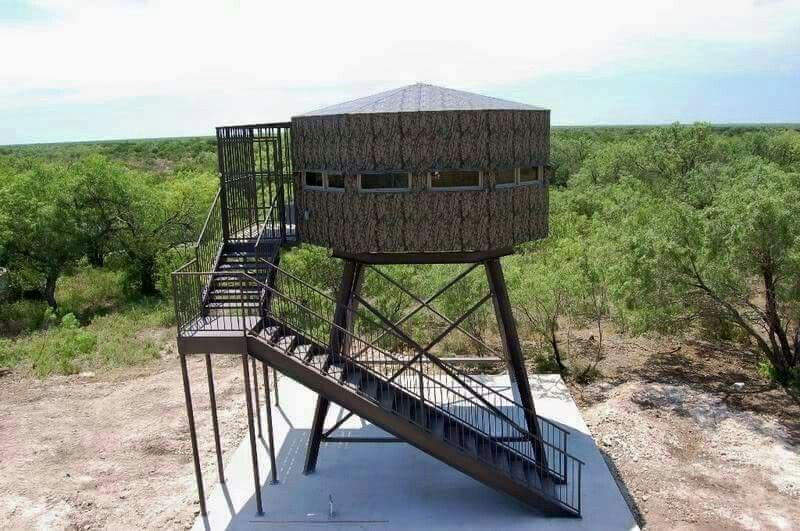
Elevated vs. Ground Blind Placement
Both elevated and ground blinds can work around food plots.
Elevated Deer Blind
An elevated blind may provide:
- Better visibility
- Improved view over vegetation
- Additional concealment
- More comfortable observation
- Better perspective over certain terrain
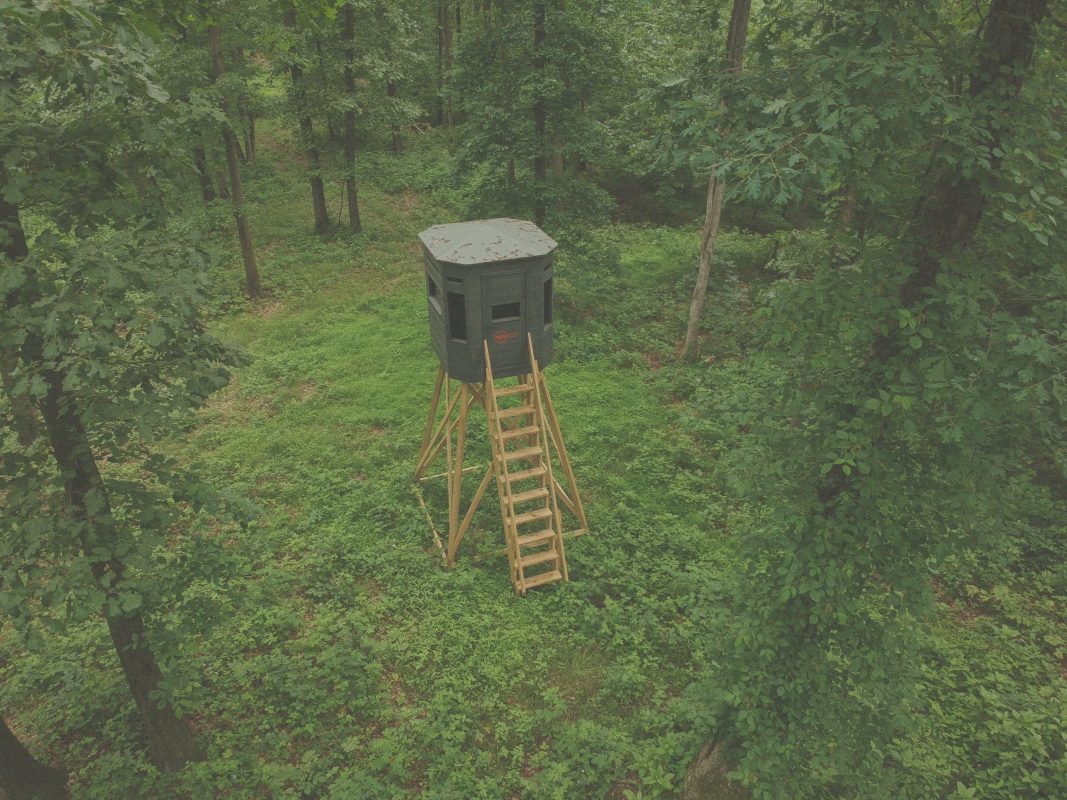
Elevated blinds can be particularly useful around larger food plots or properties with rolling terrain.
However, consider:
- Access
- Ladder or stair safety
- Wind exposure
- Blind stability
- Shooting angles
- Height
- Local regulations
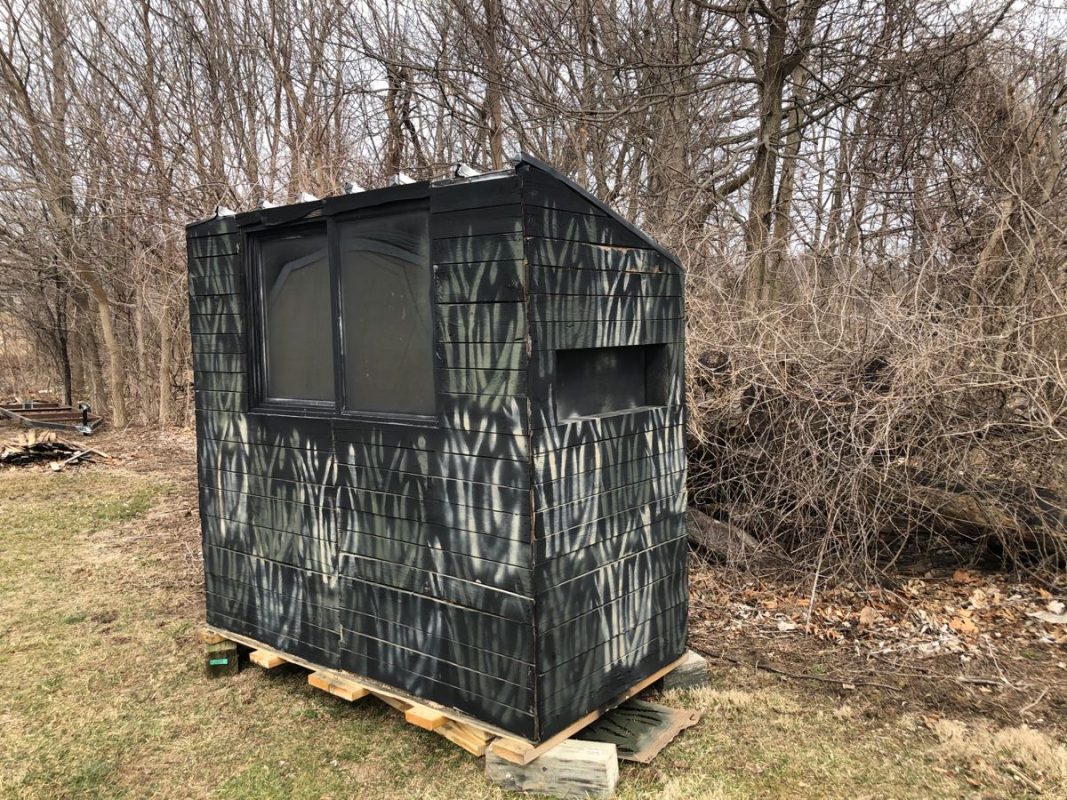
Ground Deer Blind
A ground blind may be useful when:
- The terrain is relatively flat
- Mobility is important
- Easy access is desired
- Natural vegetation provides concealment
- The hunting location changes regularly
The best option depends on your property and hunting strategy.
Should You Put the Blind Inside or Outside the Food Plot?
In most situations, carefully evaluating locations outside the main feeding area is worthwhile.
Placing a blind directly inside a food plot can increase disturbance and make the blind more noticeable.
A blind along the edge may allow you to:
- Observe deer entering
- Monitor multiple travel routes
- Maintain concealment
- Stay outside the primary feeding area
- Plan a quieter access route
However, there is no universal rule.
The right location depends on the shape of the plot, deer behavior, vegetation, wind, and hunting method.
Food Plot Blind Placement for Different Seasons
Deer behavior can change throughout the hunting season.
Early Season
Food can be especially important.
Focus on:
- Feeding patterns
- Water
- Agricultural crops
- Food plots
- Nearby bedding cover
Avoid excessive disturbance.
Pre-Rut
Deer movement may become more dynamic.
Pay attention to:
- Scrapes
- Rub lines
- Travel routes
- Doe concentration
- Buck movement
Rut
Funnels and travel corridors can become especially valuable as deer movement changes.
Don’t assume the food plot itself will always be the most important feature.
Late Season
Food may become increasingly important as deer seek reliable energy sources.
Look for concentrated feeding activity and evaluate how deer approach the food plot from surrounding cover.
Food Plot Blind Placement for Morning vs. Evening Hunts
The best blind location can change depending on when you hunt.
Evening Food Plot Hunts
Food plots are often attractive for evening hunts because deer may move from bedding cover toward feeding areas.
A blind positioned near the transition between cover and food can provide a strategic location.
Morning Hunts
Morning hunts require additional consideration.
If deer are leaving the food plot and returning toward bedding cover, positioning yourself along the route back to cover may be more productive than sitting directly beside the food source.
Important
Don’t assume the same blind location is ideal for both morning and evening hunts.
Study actual deer movement.
Common Food Plot Blind Placement Mistakes
1. Putting the Blind Too Close
Being close doesn’t automatically mean being effective.
2. Ignoring Wind
A poor wind can ruin an otherwise productive location.
3. Walking Across the Food Plot
Your access route can create unnecessary disturbance.
4. Ignoring Bedding Areas
Know where deer are coming from before choosing your blind location.
5. Clearing Too Much Vegetation
Over-clearing can expose the blind.
6. Ignoring the Sun
Glare can reduce visibility.
7. Forgetting the Exit
Evening hunts can become difficult if your exit route crosses active deer movement.
8. Focusing Only on Food
Deer need food, but they also need security, water, bedding areas, and travel routes.
9. Ignoring Property Boundaries
Especially for firearm hunting, know exactly where safe shooting directions are located.
10. Never Re-Evaluating the Setup
Deer movement changes with weather, season, food availability, hunting pressure, and habitat changes.
Example Food Plot Blind Setups
Setup 1: Food Plot Beside Thick Timber
Property layout:
Bedding cover → timber trail → food plot
Trail cameras show deer consistently entering from the timber.
Potential strategy
Position the blind along the edge of the food plot where you can monitor the transition from timber to food while maintaining favorable wind and adequate concealment.
Setup 2: Small Bow Hunting Food Plot
A small food plot has several trails entering from thick cover.
For bow hunting, consider identifying the most consistent trail and determining whether a blind can be positioned at an ethical shooting distance without disrupting deer movement.
Focus heavily on:
- Wind
- Concealment
- Draw movement
- Access
- Shooting lanes
Setup 3: Large Agricultural Food Plot
A large field has timber on one side and open ground on the other.
Rather than placing the blind in the middle, evaluate the timber edge where deer transition between cover and food.
An elevated blind may improve visibility, but only if the structure can be safely installed and accessed.
Setup 4: Food Plot With Multiple Entry Points
If deer enter from several directions, identify which entry route receives the most consistent activity.
You may not need to watch the entire food plot.
A strategically positioned blind near a high-value travel corridor can be more useful than a location with maximum visibility but poor deer movement.
Food Plot Deer Blind Placement Checklist
Before installing your blind, review the following:
Deer Movement
- Active deer trails identified
- Entry routes identified
- Exit routes identified
- Bedding areas located
- Feeding areas identified
- Water sources identified
- Funnels identified
- Travel corridors identified
Wind
- Prevailing wind evaluated
- Morning wind considered
- Evening wind considered
- Seasonal wind changes considered
- Scent direction evaluated
Blind Position
- Shooting distance is appropriate
- Shooting lanes are clear
- Natural cover is available
- Sun position considered
- Blind is concealed
- Elevation is appropriate
Access
- Quiet entry route planned
- Quiet exit route planned
- Bedding areas avoided
- Major deer trails avoided where practical
- Food plot disturbance minimized
Safety
- Safe shooting directions identified
- Property boundaries confirmed
- Roads considered
- Buildings considered
- Neighboring properties considered
- Local hunting regulations reviewed
- Elevated structure and access system are secure
FAQs: Where to Put a Deer Blind on a Food Plot
Where is the best place to put a deer blind on a food plot?
How far should a deer blind be from a food plot?
Should a deer blind face the food plot?
Is it better to put a deer blind inside or outside a food plot?
Where should I put a bow hunting blind on a food plot?
Should I put a deer blind near the bedding area or food plot?
What wind is best for a food plot deer blind?
Can I move my deer blind if deer aren't using the food plot?
Final Thoughts: Choose the Location Before You Choose the Blind
Knowing where to put a deer blind on a food plot is ultimately about understanding how deer use the entire property.
Don’t focus only on the food.
Study the relationship between food, bedding cover, water, travel corridors, terrain, wind, sunlight, access, and hunting pressure. Then select a blind location that allows you to hunt that movement while minimizing unnecessary disturbance.
The best location may be on the edge of the plot, along a travel corridor, near an entry route, or overlooking a transition between thick cover and food. It isn’t always the location with the biggest view.
Once you identify the right location, choose a blind that matches your hunting method, property, comfort requirements, and intended setup.
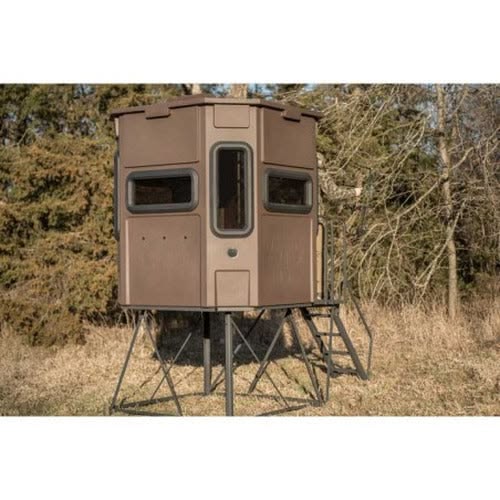
For hunters looking for purpose-built options, Hunting Blind Supply offers deer hunting blinds, bow hunting blinds, gun hunting blinds, deluxe blinds, insulated blinds, octagon/360 blinds, and elevated hunting blind stands.
The brand positions itself as the #1 trusted seller for deer hunting blinds, giving hunters a range of options for creating a comfortable and strategically positioned hunting setup.
Find the right location, minimize disturbance, choose the right blind, and let the property work for you.


7 thoughts on “Where to Put a Deer Blind on a Food Plot: Complete Placement Guide”