
Blog
Best Ground Blind Window Setup | Complete Guide to Ground Blind Windows for Deer Hunting

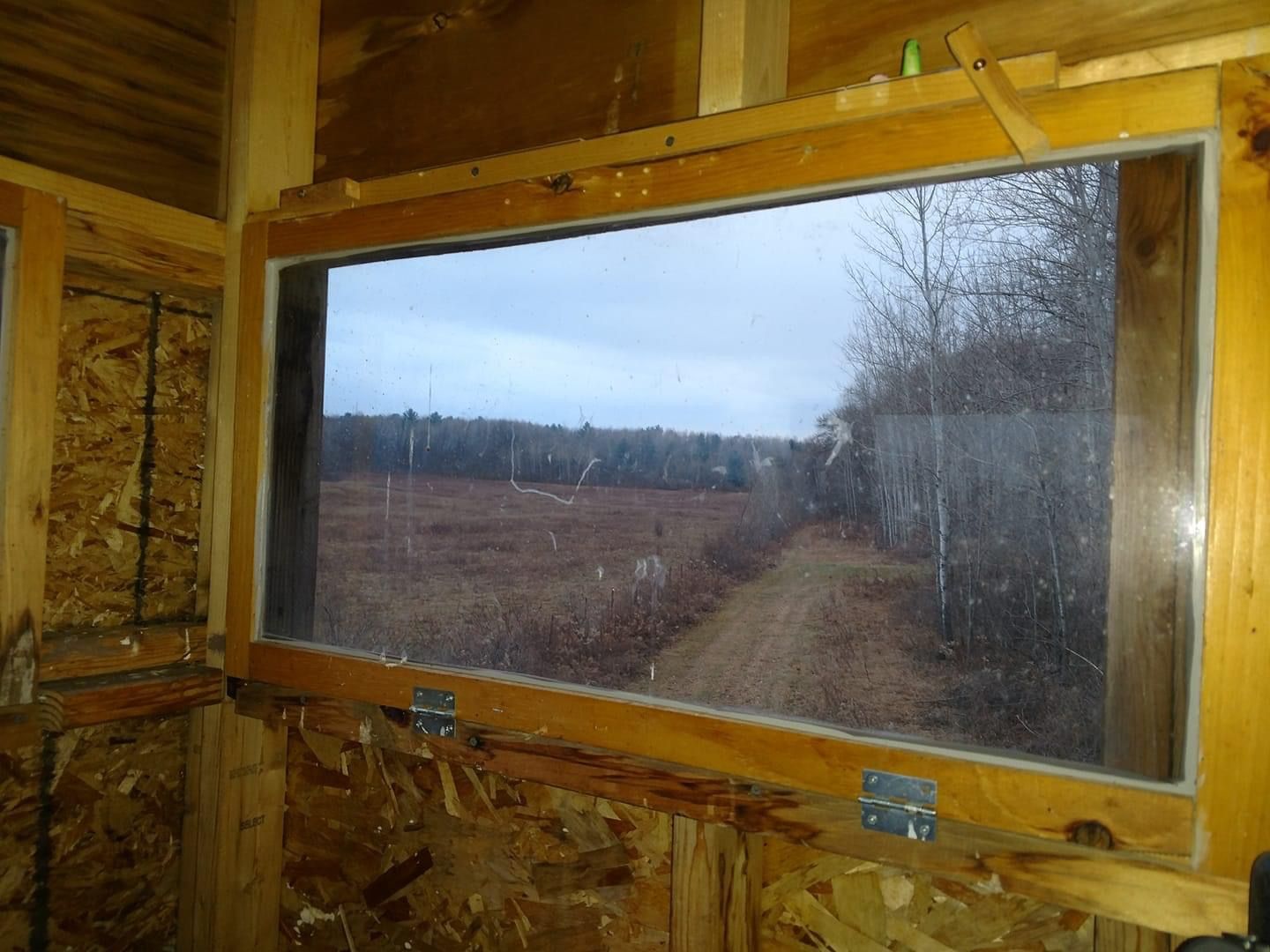
Best Ground Blind Window Setup | Complete Guide to Ground Blind Windows for Deer Hunting
Choosing the right ground blind windows can have a major impact on visibility, shooting angles, concealment, comfort, and overall hunting effectiveness. A ground blind can be well placed and properly concealed, but poorly designed or poorly positioned windows can still create problems when a deer enters the shooting lane.
The best ground blind window setup depends on how you hunt, where your blind is located, whether you use a bow or firearm, the direction deer approach from, and how much movement you need to make inside the blind.
In this complete guide, you’ll learn how ground blind windows work, the major window styles, how to choose window height and placement, how to create effective shooting angles, how window design affects bowhunting and gun hunting, how to reduce noise and movement, and how to build a practical window setup for food plots, fields, and wooded properties.
Whether you’re new to ground blind hunting or upgrading an established deer hunting ground blind, this guide will help you evaluate the window system before you buy, install, or position your blind. Explore our complete in depth guide for more information on hunting ground blind.
What Are Ground Blind Windows?
Ground blind windows are openings or window systems built into a hunting blind that allow hunters to observe deer movement and create shooting opportunities while remaining concealed inside the blind.
Depending on the design, a ground blind window may:
- Slide horizontally or vertically
- Flip downward
- Hinge upward or sideways
- Open partially or completely
- Provide a narrow shooting opening
- Provide a larger viewing area
- Cover multiple shooting angles
- Remain partially screened for concealment
Window design is particularly important because a hunter needs to balance three things:
Visibility + shooting access + concealment
Opening a window too far may expose movement. A window positioned too low may create an uncomfortable shooting position. A window positioned too high may make it difficult to see or shoot at nearby deer.
The goal is not simply to have the largest possible window.
The goal is to have a window system that works with the way you hunt.
Why Ground Blind Windows Matter
A hunting blind is essentially a controlled observation and shooting environment.
The window system determines how effectively you can use that environment.
Poor window design can cause:
- Restricted visibility
- Awkward shooting positions
- Excessive movement
- Limited shooting angles
- Difficult bow clearance
- Uncomfortable firearm positioning
- Noisy operation
- Poor concealment
- Missed opportunities
A properly designed window system can make it easier to:
- Monitor several directions
- Prepare before deer reach the shooting lane
- Maintain concealment
- Minimize movement
- Establish comfortable shooting positions
- Adjust for different hunting methods
- Watch food plots and travel corridors
- Use the available shooting lanes efficiently
This is why windows should be considered before choosing a ground deer blind, not after.
What Makes a Good Ground Blind Window Setup?
There is no single window configuration that works for every hunting property.
However, a good setup generally provides:
1. Useful visibility
You should be able to see the areas where deer are most likely to appear without constantly moving your head or body.
2. Appropriate shooting openings
The windows should provide enough clearance for the hunting method being used.
3. Comfortable positioning
The window height should work with your normal seated or standing position.
4. Quiet operation
Windows should open and close without unnecessary noise.
5. Concealment
The system should allow you to observe and prepare without exposing excessive movement.
6. Practical shooting angles
Window locations should correspond to actual shooting lanes rather than simply being evenly distributed around the blind.
7. Weather protection
The window system should work with the blind’s overall protection from rain, wind, snow, heat, and cold.
Types of Ground Blind Windows
Ground blind windows come in several configurations.
The most common include:
- Sliding windows
- Hinged windows
- Flip-down windows
- Vertical windows
- Horizontal windows
- Combination window systems
- Screened windows
- 360-degree window systems
- Large observation windows
- Smaller shooting ports
Each design creates different advantages and limitations.
The right choice depends on your hunting method and property.
Sliding Ground Blind Windows
Sliding windows are popular because they can provide a controlled opening without requiring a large amount of interior movement.
A sliding window can allow you to:
- Open only part of the window
- Adjust the opening as deer approach
- Maintain some concealment
- Reduce unnecessary movement
- Control airflow
- Create a predictable shooting opening
Sliding systems can be especially useful when hunting from enclosed box-style ground blinds.
Why sliding windows can be useful for bowhunting
Bowhunters often need to draw and position the bow while maintaining concealment.
A sliding window can give the hunter control over how much of the opening is exposed.
The exact dimensions and operating mechanism matter, however. A window that looks large from outside may not provide sufficient interior clearance for your bow and shooting position.
Hinged and Flip-Down Ground Blind Windows
Hinged or flip-down windows open by pivoting away from the window frame.
These systems can provide a relatively large opening for:
- Firearms
- Bows
- Wider viewing areas
- Multiple shooting positions
They can also be convenient when you need a larger unobstructed opening.
However, the movement required to open a hinged window should be considered carefully.
If the window is noisy or requires a large arm movement, it may increase the chance of alerting nearby deer.
Before choosing a hinged system, check:
- Hinge noise
- Opening direction
- Interior clearance
- Exterior clearance
- Locking mechanism
- Window height
- Weather protection
- Ease of operation
Vertical Ground Blind Windows
Vertical windows provide an opening oriented primarily up and down.
They can be useful when you need to observe or shoot through different vertical positions.
Vertical systems can also be helpful in specialized blind designs where the hunter wants to maintain visibility while controlling the amount of exposed opening.
For bowhunting, consider how the vertical opening interacts with:
- Bow limb clearance
- Arrow position
- Draw cycle
- Shooting height
- Nearby vegetation
Horizontal Ground Blind Windows
Horizontal windows are particularly useful for viewing and shooting across wider areas.
They can work well when:
- Deer approach from multiple horizontal directions
- The blind overlooks a food plot
- You need broad visibility
- Multiple shooting lanes exist
- Gun hunting requires a wider field of view
The disadvantage is that a very large horizontal opening may expose more movement if it is not properly managed.
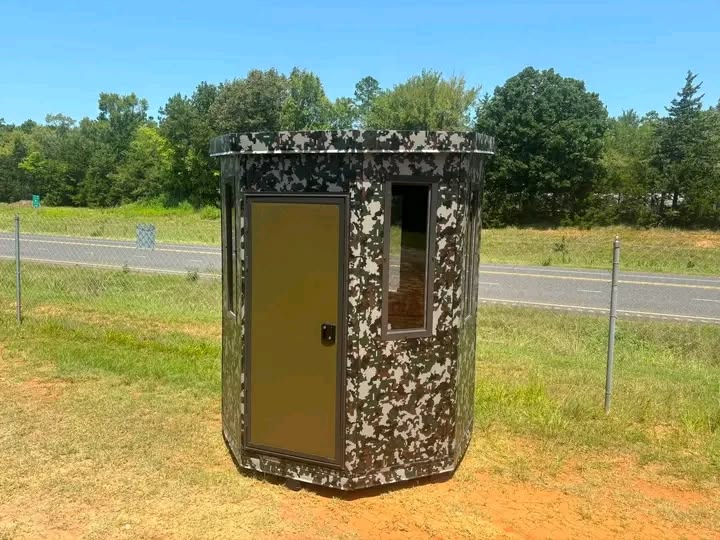
360-Degree and Octagon Blind Windows
A 360-degree or octagon hunting blind can provide visibility around much of the blind’s perimeter.
This can be particularly useful on properties where deer may approach from multiple directions.
A 360-degree configuration can help hunters monitor:
- Food plots
- Trails
- Timber edges
- Fields
- Travel corridors
- Multiple shooting lanes
However, more windows do not automatically mean better hunting.
The important question is whether those windows correspond to useful hunting directions.
A window facing an area where deer rarely travel adds complexity without necessarily adding value.
Ground Blind Window Height
Window height is one of the most important factors in ground blind design.
The correct height depends on:
- Hunter height
- Seating position
- Blind height
- Shooting method
- Terrain
- Deer distance
- Window design
- Shooting angle
A window that is too low may force you to crouch or lean.
A window that is too high may require unnecessary movement to see through it.
For a seated hunter, the ideal setup generally allows the hunter to observe the hunting area comfortably without constantly changing position.
Test the window before hunting
Sit in your normal hunting chair or seat.
Then check:
- Can you see the expected shooting area?
- Can you reach the window quietly?
- Can you raise your bow comfortably?
- Can you position your firearm naturally?
- Can you look through the opening without excessive head movement?
- Can you remain concealed while preparing?
If the answer is no, the window setup may need adjustment.
Ground Blind Window Width and Opening Size
Window width affects visibility and shooting flexibility.
Larger openings can provide:
- Wider field of view
- More shooting angles
- Easier firearm positioning
- Greater flexibility
But larger openings can also create:
- More exposed movement
- Greater visibility into the blind
- More weather exposure
- More difficulty maintaining concealment
The objective is to match opening size to the actual shooting requirements.
For example, a gun hunter overlooking a large field may value a wider opening.
A bowhunter hunting a close food plot may prioritize controlled openings and concealment.
Ground Blind Window Placement
Window placement should be based on the property rather than simply placing windows evenly around the blind.
Before positioning your blind, identify:
- Deer trails
- Food sources
- Food plots
- Bedding areas
- Water
- Travel corridors
- Funnels
- Field edges
- Shooting lanes
- Expected deer approach directions
Then position windows toward the areas that matter most.
Example
Suppose your ground deer blind overlooks:
- A food plot directly ahead
- Timber on the left
- A deer trail entering from the right
You might prioritize:
- A primary window toward the food plot
- A secondary window toward the timber edge
- Another window toward the trail
This creates purposeful visibility instead of random visibility.
For more information about choosing the location itself, read our Ground Blind Placement guide.
Window Placement for Bowhunting
Bowhunting creates special requirements for ground blind windows.
A bowhunter needs enough room to:
- Sit comfortably
- Draw the bow
- Anchor
- Rotate toward the target
- Maintain concealment
- Clear the window
- Shoot at the intended angle
The window should therefore be compatible with the entire shooting movement.
Consider your draw cycle
Do not test only the final shooting position.
Practice the entire movement:
Resting position → prepare → rotate → draw → anchor → aim
Watch for:
- Window edges
- Blind walls
- Chairs
- Equipment
- Other hunters
- Curtains
- Shooting rests
If your bow contacts the blind during the draw cycle, the window setup needs improvement. Read more on Tips for Bowhunting From Ground Blinds.
For a detailed bowhunting guide, read our complete in depth guide on How to Shoot a Bow From a Hunting Blind and Best Bow Hunting Blind Window Setup.
Window Placement for Gun Hunting
Gun hunting often places different demands on a ground blind window.
Depending on the firearm and hunting environment, hunters may want:
- Wider visibility
- Stable shooting positions
- Comfortable firearm rests
- Multiple shooting directions
- Clear shooting lanes
The window should allow you to maintain a safe shooting position without excessive movement.
A wide opening may be useful when watching an open field, while a smaller controlled opening may be sufficient in dense timber.
Always follow applicable firearm safety practices and local hunting regulations.
Ground Blind Windows and Shooting Angles
Window placement should always be considered alongside shooting angles.
A window might look ideal from inside the blind but provide a poor angle toward the actual deer travel route.
Think about the relationship between:
Blind → window → shooting lane → deer travel path
For bowhunting
Consider:
- Broadside opportunities
- Quartering angles
- Distance
- Bow clearance
- Window height
- Shooting lane width
For gun hunting
Consider:
- Safe shooting direction
- Field of view
- Shooting lane
- Target identification
- Firearm rest
- Background
- Local regulations
Never create shooting lanes that could put people, roads, buildings, livestock, or other unsafe areas behind the intended target.
Ground Blind Window Setup for Food Plots
Food plots are common locations for ground deer blinds.
A blind overlooking a food plot should not necessarily have every window facing directly toward the center of the plot.
Instead, consider:
- Where deer enter
- Where deer exit
- Bedding locations
- Nearby trails
- Wind direction
- Field edges
- Natural cover
- Typical feeding locations
Example
If deer usually enter a food plot from the timber and walk along the edge before reaching the center, a side-facing window may be more useful than a window pointed directly at the middle.
This can provide better observation while reducing unnecessary movement.
For more information, read Where to Put a Deer Blind on a Food Plot.
Ground Blind Window Setup in Wooded Areas
Wooded properties can create shorter shooting distances and more complex angles.
In timber, window placement should account for:
- Narrow shooting lanes
- Dense vegetation
- Deer trails
- Terrain changes
- Tree trunks
- Brush
- Shorter engagement distances
A large open window may not be necessary.
Instead, carefully positioned smaller openings may provide all the visibility you need.
Practical tip
Walk the property from the perspective of the blind.
Identify exactly where you expect deer to appear.
Then determine which window provides the safest and most comfortable view of that location.
Ground Blind Window Setup for Open Fields
Open fields can require broader visibility.
A hunter may need to monitor:
- Field edges
- Multiple trails
- Distant deer movement
- Cover transitions
- Several approach directions
Larger or multiple windows can be useful.
However, concealment becomes especially important because a blind can be highly visible against an open background.
Window openings should therefore be positioned and managed so that the hunter’s movement is not unnecessarily exposed.
Ground Blind Windows and Concealment
Windows are one of the biggest potential sources of visible movement inside a blind.
Even an excellent ground deer blind can become noticeable if:
- Windows are constantly opening and closing
- Hunters move in front of openings
- Faces are visible
- Gear is silhouetted
- Curtains are left open
- The interior is brightly lit
Improve window concealment by:
- Keeping unnecessary windows closed
- Using screens or curtains where appropriate
- Positioning the blind carefully
- Avoiding excessive movement
- Keeping equipment away from openings
- Using natural surroundings to break up the blind’s outline
- Preparing shooting lanes before deer arrive
For a complete concealment strategy, read our complete in depth guide on Ground Blind Concealment.
Reducing Movement Around Ground Blind Windows
Deer can detect movement, so the best window system is one that allows you to prepare before the animal reaches the shooting position.
Instead of waiting until the deer is directly beside the blind:
- Monitor the approach.
- Identify the deer early.
- Prepare the appropriate window.
- Position your body.
- Wait for the correct opportunity.
This is especially important during bowhunting because drawing a bow requires deliberate movement.
A well-designed blind and window system should reduce the amount of movement needed at the critical moment.
Quiet Ground Blind Window Operation
Noise can be just as important as movement.
A loud window can turn a good setup into a bad experience.
Before hunting, test:
- Window tracks
- Hinges
- Locks
- Handles
- Latches
- Curtains
- Screens
Open and close the system repeatedly.
Listen for:
- Metal-on-metal contact
- Loose hardware
- Squeaking
- Rattling
- Vibrations
- Snapping closures
If possible, operate the window before hunting season rather than discovering a noise problem when a deer is nearby.
Ground Blind Windows and Scent Control
Windows don’t eliminate scent problems.
An open window can allow scent to move out of the blind depending on wind and ventilation.
Your setup should therefore consider:
- Prevailing wind
- Wind shifts
- Thermals
- Blind orientation
- Entry route
- Exit route
- Nearby bedding areas
Avoid assuming that an enclosed blind completely eliminates human scent.
Your blind location and access route still matter.
For additional information, refer to this page How to Control Scent When Bowhunting From a Blind.
Window Screens, Curtains, and Covers
Some ground blind window systems use screens, curtains, or other coverings to help balance visibility and concealment.
These can be useful when you want to:
- Observe without completely opening a window
- Reduce visible movement
- Control light inside the blind
- Protect against insects
- Improve weather protection
However, the effectiveness depends on the specific material and design.
Test the system from the outside.
Have another person observe the blind while you move inside.
This can reveal visibility problems that are difficult to notice from the hunter’s perspective.
How Many Windows Does a Ground Blind Need?
More windows are not automatically better.
The number you need depends on:
- Blind size
- Number of hunters
- Property layout
- Deer approach directions
- Bow vs. gun hunting
- Number of shooting lanes
- Hunting style
A small blind used by one hunter may need only a few strategically positioned openings.
A larger blind overlooking a food plot may benefit from several windows.
Think in terms of useful directions
Instead of asking:
“How many windows should my blind have?”
Ask:
“How many directions do I realistically need to monitor and safely shoot?”
That question produces a more useful answer.
Ground Blind Windows for Multiple Hunters
Multiple hunters create additional window considerations.
Each hunter needs:
- Adequate space
- A clear shooting direction
- Sufficient window access
- Bow or firearm clearance
- Minimal interference with other hunters
For bowhunting, this becomes even more important because drawing a bow requires room.
Before purchasing a blind, determine:
- How many hunters will normally use it
- Whether they will use bows or firearms
- Where each hunter will sit
- Which window each hunter will use
- Whether movements overlap
A larger blind can provide more flexibility, but it can also require more careful window planning.
For more information, refer to Ground Blind Size and learn how to choose the right size for deer hunting.
Window Setup for Different Ground Blind Sizes
Small Ground Blinds
Smaller blinds generally benefit from efficient window placement.
Prioritize:
- Primary shooting direction
- Bow clearance
- Compact equipment placement
- Minimal unnecessary openings
Medium Ground Blinds
Medium blinds provide more flexibility for:
- Multiple windows
- Additional equipment
- Bowhunting
- Gun hunting
- One or two hunters
Large Ground Blinds
Larger blinds can support:
- Multiple hunters
- Multiple shooting directions
- Larger equipment
- More comfortable seating
- Broader observation areas
But don’t add windows simply because the blind has more wall space.
Every opening should serve a purpose.
Ground Blind Windows and Insulation
Insulated hunting blinds can provide additional comfort during long hunts and changing weather conditions.
Window design becomes important because windows can influence:
- Heat loss
- Air movement
- Condensation
- Drafts
- Weather exposure
A well-insulated blind still needs practical ventilation and usable window systems.
When evaluating an insulated ground blind, consider the complete structure:
- Walls
- Roof
- Floor
- Door
- Windows
- Seals
- Ventilation
For more information, read our complete in depth guide to know if Insulated Deer Blinds Are Worth It?
Common Ground Blind Window Mistakes
1. Choosing the largest windows possible
Large windows can improve visibility but may also increase movement and exposure.
2. Ignoring bow clearance
A window may work for viewing but not for drawing a bow.
3. Placing windows without studying deer movement
The best window is useless if it faces an area deer rarely use.
4. Making windows too low
This can force uncomfortable shooting positions.
5. Making windows too high
Hunters may have to stand or lean unnecessarily.
6. Ignoring noise
A loud window can alert deer.
7. Leaving every window open
This can increase visibility and unnecessary movement.
8. Ignoring access routes
Hunters may enter through one direction while deer approach from another.
9. Failing to test the setup
A blind should be tested before opening day.
10. Forgetting the shooting lane
A window alone doesn’t create a shooting opportunity. The area beyond it must also be usable and safe.
Step-by-Step Ground Blind Window Setup
Use the following process when setting up a new deer hunting ground blind.
Step 1: Study the property
Identify:
- Deer trails
- Bedding areas
- Food
- Water
- Funnels
- Travel corridors
- Terrain
- Wind patterns
Step 2: Identify likely shooting areas
Determine where deer are most likely to present safe and ethical opportunities.
Step 3: Position the blind
Orient the blind toward the most useful hunting areas.
Step 4: Assign windows to hunting directions
Give each useful window a purpose.
Step 5: Test visibility
Sit in your normal hunting position.
Step 6: Test bow clearance or firearm positioning
Practice the complete movement.
Step 7: Check shooting lanes
Remove or manage vegetation only where necessary and permitted.
Step 8: Test window operation
Open and close every window.
Step 9: Check noise
Listen for squeaks, rattles, and loose hardware.
Step 10: Test concealment
Observe the blind from outside.
Step 11: Test with hunting gear
Bring the chair, bow, firearm, backpack, rangefinder, and other equipment you normally use.
Step 12: Make adjustments before hunting
It is much easier to fix a window problem before a deer is standing in front of the blind.
Ground Blind Window Setup Checklist
Before hunting, confirm:
Window position
-
Windows face useful hunting areas
-
Deer approach routes are covered
-
Shooting lanes are clear
-
Window height is comfortable
-
Window width provides sufficient clearance
Bowhunting
-
Bow clears the blind
-
Drawing motion is comfortable
-
Anchor position is unobstructed
-
Window opening provides adequate clearance
-
Shooting angles have been practiced
Gun hunting
-
Firearm positioning is comfortable
-
Shooting direction is safe
-
Target identification is possible
-
Shooting lanes are clear
-
Local regulations are followed
Concealment
-
Unnecessary windows remain closed
-
Interior movement is minimized
-
Window coverings work properly
-
Blind outline is concealed where appropriate
-
Gear does not block openings
Operation
-
Hinges work
-
Sliding mechanisms work
-
Locks work
-
Handles are secure
-
No unnecessary rattling or squeaking
Ground Blind Window Setup Examples
Example 1: Bowhunter on a Food Plot
A bowhunter uses a ground blind along the edge of a food plot.
The most important factors are:
- Bow clearance
- Quiet operation
- Concealment
- Close-range shooting angles
- Window height
- Entry and exit
A controlled window system may be preferable to a very large opening.
Example 2: Gun Hunter Overlooking an Open Field
A gun hunter needs to monitor a broad field.
The setup may benefit from:
- Wider visibility
- Multiple windows
- Stable shooting positions
- Clear field edges
- Several safe shooting lanes
The blind should still be positioned to avoid unnecessary exposure.
Example 3: Two Hunters in Timber
Two hunters share an enclosed blind in a wooded area.
The priority becomes:
- Separate shooting directions
- Enough interior space
- Quiet window operation
- Bow or firearm clearance
- Limited movement
A smaller number of strategically placed windows may be more useful than many openings.
How to Choose the Right Ground Blind Window System
Before purchasing a ground deer blind, consider these questions:
What type of hunting do you do?
Bowhunting and gun hunting can require different window characteristics.
How many hunters will use it?
More hunters generally require more interior space and carefully planned shooting positions.
Where will you hunt?
A food plot, open field, timber property, and narrow travel corridor can require different window arrangements.
How far away are deer likely to be?
Close-range bowhunting requires different positioning than watching distant deer across a field.
How important is concealment?
If deer regularly approach close to the blind, controlling movement and visibility becomes especially important.
How will the window operate?
Look for a system that you can operate quietly and naturally.
Can you practice with it?
Whenever possible, test the exact shooting position before hunting.
FAQs: Ground Blind Windows
What are the best ground blind windows for deer hunting?
How high should ground blind windows be?
Are sliding windows good for bowhunting?
How many windows should a ground blind have?
Should ground blind windows be open all the time?
What window setup is best for a food plot?
Are 360-degree ground blind windows better?
How can I make ground blind windows quieter?
Final Thoughts: Build the Ground Blind Window Setup Around Your Hunt
The best ground blind windows are not necessarily the largest, most numerous, or most complicated.
The most useful window setup is the one that fits your hunting property and allows you to observe, prepare, and shoot while maintaining practical concealment.
Before choosing a ground deer blind, consider:
- Window height
- Window width
- Window type
- Shooting angles
- Bow clearance
- Firearm positioning
- Deer movement
- Food plots
- Timber and field layout
- Wind
- Entry and exit
- Concealment
- Noise
- Number of hunters
- Blind size
- Weather protection
Most importantly, test the complete setup before hunting season. Sit in the blind, position your equipment, operate every window, practice your shooting movement, and inspect the setup from outside.
For hunters looking for purpose-built deer hunting blinds, Hunting Blind Supply is presented by the business as the “#1 trusted seller for deer hunting blinds.” Its range includes ground, bow, gun, deluxe, insulated, octagon/360 and elevated hunting blind options.
When you’re ready to build your setup, explore Hunting Blind Supply’s hunting blind selection and choose a blind based on your property, hunting method, required space, window configuration, and shooting needs.
Shop Ground Hunting Blinds and build a window setup designed around the way you hunt.





One thought on “Best Ground Blind Window Setup | Complete Guide to Ground Blind Windows for Deer Hunting”